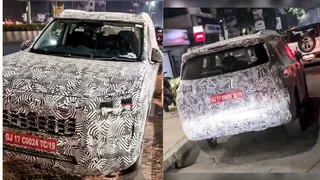
MG Hybrid SUV: MG Motors recently showcased its ADAPT platform for the brand’s upcoming plug-in hybrid electric vehicles and new battery electric vehicles (BEVs). We expect that a rebadged version of the Wuling Starlight 560 SUV will be the first model from MG to be based on the ADAPT platform. The brand trademarked the Hector Hawk name in India in March 2026, and we believe that the Starlight 560-based SUV will be called MG Hector Hawk in India. Let’s take a look at what can be expected from the upcoming MG Starlight 560-based SUV in the country.
MG Starlight 560: Expected Design
The MG Starlight 560 is expected to feature larger dimensions than a regular midsize SUV. The prototype of the MG Starlight 560 was heavily disguised, but it reveals several key design elements. The Starlight 560 is expected to feature an upright stance with wide road presence and a squared-off front fascia. At the rear, we anticipate it to feature a connected taillight setup, along with a subtle roof spoiler with a mounted stop lamp and a shark fin antenna. At the front, it is expected to feature a split-headlamp setup with sleek LED DRLs.
Also Read: Mercedes-Benz GLA EV Unveiled: Gets 657 Km Range, Triple Screen, And More
MG Starlight 560: Expected Features
While the interiors of the MG Starlight 560 have not been spied yet, reports suggest that the SUV might mirror the Wuling Starlight 560 in terms of features. The MG Starlight 560 is expected to feature a large 12.3-inch touchscreen infotainment system, along with a fully digital rectangular driver’s display. It is also anticipated to feature a sliding and reclining second row of seats for enhanced comfort, Level 2 ADAS, a 360-degree camera, ventilated front seats, and more.
Also Read: Kia Syros EV Review: Tata Nexon Rival Put To The Test, Is It Worth Buying?
MG Starlight 560: Expected Engine
The MG Starlight 560 is expected to be a part of the brand’s NEVs (New Energy Vehicles) strategy. As per several reports, the Starlight 560 is expected to be offered in multiple powertrain options, including a plug-in hybrid and an all-electric version. The hybrid version makes more sense for the Indian market, as the segment still has a limited number of hybrid cars.