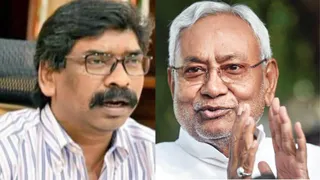
The dispute over the sharing of the Sone River's water between Bihar and Jharkhand, which has persisted for nearly two and a half decades, has finally come to an end. A process that began with the 1973 agreement but faced years of disagreement has now received theoretical approval from both states. This historic decision not only resolves a long-standing conflict but is also expected to provide a new direction for water management and irrigation projects in South Bihar and Jharkhand.
What Was The Sone River Water Dispute?
The first major agreement regarding the sharing of the Sone River water was reached in 1973 under the Bansagar Project. At that time, a consensus was built between Madhya Pradesh, Uttar Pradesh and undivided Bihar, granting Bihar the right to 7.75 Million Acre-Feet (MAF) of water from the river.
However, following the partition of Bihar in 2000, the newly formed state of Jharkhand began demanding its share of the water. Bihar remained firm on retaining its original allocation. Consequently, the matter remained entangled in meetings between the Central and State governments for 26 years without a resolution.
Why Is The Sone River Crucial?
The Sone River is considered the lifeline of South Bihar. Originating from the Amarkantak hills in Madhya Pradesh, it flows through Jharkhand and Uttar Pradesh before entering Bihar, where it eventually merges with the Ganges at Maner.
The river's water is vital for large-scale irrigation in districts such as Bhojpur, Rohtas, Kaimur, Aurangabad, Gaya, Patna and Arwal. For the farmers in these regions, the Sone River serves as the backbone of their agricultural activities.
What Has Been Decided In the New Agreement?
Under the fresh consensus, the total allocation of 7.75 MAF of water will be distributed as follows:
Bihar: 5.00 MAF
Jharkhand: 2.75 MAF
Both states have agreed to this formula in principle. A Memorandum of Understanding (MoU) is expected to be signed shortly at the Chief Secretary level. The Bihar government has also formally informed the Central Government of this decision.
ALSO READ: Supreme Court Orders States To Pay Compensation For Stray Dog Bites; Slams Feeders
What Will Change Moving Forward?
This agreement clears the path for several irrigation schemes that have been stuck for years, including the Indrapuri Reservoir Project. While Jharkhand has secured its water rights after a long wait, Bihar has ensured a continued water supply tailored to its agricultural and irrigation needs.
Experts believe this decision will strengthen cooperation between the two states and prove to be a significant step toward better management of water resources.