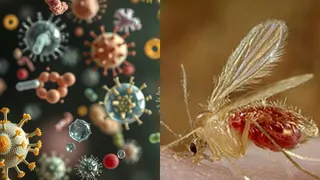
Gujarat has been witnessing a rise in Chandipura virus (CHPV) cases, particularly in the northern and central districts, prompting the state health department to remain on high alert. Gujarat Health Minister Praful Pansheriya confirmed that the virus has claimed the lives of three children so far. In response, the state government has launched large-scale preventive measures in the affected areas.
According to the health minister, three children have died after testing positive for the Chandipura virus. Of them, two were from the Vadodara and Godhra regions of Gujarat, while the third child was from Rajasthan and was undergoing treatment at the Civil Hospital in Himatnagar. At present, another child from Visnagar has tested positive for the virus and is receiving treatment at Vadnagar Hospital. The health department is continuously screening suspected cases to contain the spread.
Meanwhile, the health minister has directed officials to conduct surveys at all 61 locations where Chandipura virus cases were reported in 2024 and ensure intensive insecticide spraying to control the vector population.
The health minister has urged parents not to panic but to remain vigilant. If a child develops a fever or other symptoms suggestive of the infection, parents should immediately seek medical attention at the nearest government hospital, Primary Health Centre (PHC) or Community Health Centre (CHC).
What is Chandipura virus (CHPV) infection?
According to the WHO, the Chandipura virus (CHPV) belongs to the Rhabdoviridae family and particularly outbreaks during the monsoon season in India. CHPV infection has a high case-fatality rate, ranging between 56 and 75 per cent, and there is currently no specific antiviral treatment or vaccine available.
How is the Chandipura virus spreading?
Preliminary investigations suggest that the virus is primarily transmitted through infected sandflies, which have shown increased activity in the affected areas. The virus is transmitted by insects such as sandflies, mosquitoes and ticks. However, the virus does not spread from person to person through coughing, sneezing or physical contact.
How is the Chandipura virus treated?
At present, there is no specific vaccine or medicine for Chandipura virus infection. Treatment focuses on supportive care based on the patient's symptoms. The WHO recommends vector control measures and protection against sandfly, mosquito and tick bites as the most effective way to prevent the spread of the virus.
What are the symptoms?
According to the WHO, symptoms can develop rapidly and may lead to severe brain inflammation within 48 to 72 hours.
Common symptoms include:
- Sudden high fever
- Severe headache
- Muscle pain
- Repeated vomiting
- Seizures
- Extreme irritability
The disease primarily affects children below the age of 15 years. It usually begins with a fever but can rapidly progress to seizures, coma and, in extreme cases, death. The WHO claims the infection is linked with high mortality among children.
Health department urges public not to spread rumours
The Gujarat health department has appealed to the public not to pay attention to rumours or misleading information circulating on social media. Citizens have been urged to rely only on official updates issued by government authorities.
Private hospitals have also been instructed to immediately report any suspected Chandipura virus cases to the health department and coordinate with government officials. Medical teams have been deployed across affected areas to strengthen surveillance and keep the situation under control.