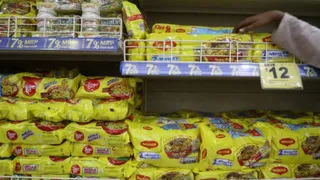
The ongoing Middle East conflict has begun to strain global supply chains, and Indian companies are already feeling the impact. Among the most affected is Nestle India, which is grappling with a shortage of packaging materials. This disruption has caused problems in production, including pile-up of Maggi noodles at one of its manufacturing facilities in India, according to an Indian Express report.
Rising costs have also impacted brands like Bisleri, a leading packaged drinking water brand. It has increased the retail price of its one litre bottle from Rs 18 to Rs 20.
The conflict effects extend beyond food and beverages. From everyday products such as instant noodles, juices, and packaged milk to automotive components used by India’s largest car manufacturers, multiple sectors are witnessing cost pressures.
A key reason behind the disruption is the prioritisation of Liquefied Petroleum Gas (LPG) supply amid the crisis, which has affected the availability of other petrochemical inputs like propylene, polyethylene and acrylic acid. As a result, plastic manufacturing units and industries dependent on them are under massive pressure. Flexible plastic packaging has been hit hard, leading to accumulation similar to what has happened with Maggi stocks.
ALSO READ: Video: Thief Hangs For Hours After Ghaziabad Clinic Break-In, Neck Trapped In Shutter Gap
The beverages industry is also under pressure. Several players in the bottled water industry have already revised prices for distributors and resellers following rising costs of plastic caps and bottles.
The government, meanwhile, has advised companies to reduce dependence on oil-based fuels, shift toward electricity-based operations, and explore options like recycled aluminium and other sustainable materials, as per a March 25 advisory cited by Reuters.
The Middle East conflict has also affected the automobile sector. Maruti Suzuki has stated that price hike for small cars may be necessary. We will be taking a call, but unfortunately the commodity prices are going very high, we need to pass it on, so we will come back very soon on that," said Maruti’s sales chief Partho Banerjee, as quoted by Reuters.
Tata Motors has raised vehicle prices by 0.5 per cent to 1.5 per cent across passenger and commercial segments from April 1. BMW Group India has implemented up to a 2 per cent hike across BMW and MINI models, also effective from April 1. Mercedes-Benz has similarly increased prices.