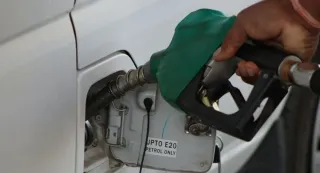
Amid the push for environmental protection and cleaner energy, a petition before the Supreme Court has raised concerns over the rights and interests of vehicle owners amid the growing use of ethanol-blended petrol, particularly E20 fuel.
The petition argues that the issue goes beyond fuel policy, as it also concerns the safety, maintenance and long-term interests of millions of motorists who have invested their hard-earned money in their vehicles.
A Supreme Court bench comprising Justices MM Sundaresh and Prasanna B Varale is scheduled to hear a petition filed by Narendra Kumar Goswami on August 31. The plea primarily seeks greater transparency at petrol pumps and the freedom for consumers to choose fuel compatible with their vehicles.
ALSO READ: Don't Expect an E10 Return: What BPCL’s Latest Clarification Means For Drivers
Ethanol Content To Be Displayed On Nozzles, Receipts
One of the key demands in the petition is that petrol pumps be required to clearly display the percentage of ethanol blended into petrol on dispensing nozzles.
The plea also seeks mandatory disclosure of the ethanol-blending percentage on fuel receipts issued to customers. This, it argues, would allow vehicle owners to know exactly what type of fuel they are purchasing and using.
Concerns Over Engine Safety And Vehicle Life
The petition also highlights concerns among vehicle owners over the impact of higher ethanol blends on older vehicles and those not designed or certified for E20 fuel.
It seeks the creation of a publicly accessible database listing vehicles by make, model, engine type and year of manufacture, along with the ethanol blend each vehicle is compatible with.
Expert Panel Proposed To Assess E20 Impact
The plea has also called for an independent expert committee comprising representatives from the petroleum sector, road transport authorities, the Bureau of Indian Standards (BIS) and independent automobile engineers.
ALSO READ: Sugar Prices Are Rising, But Ethanol Isn’t To Blame: Experts Explain Why
The proposed panel would examine the impact of ethanol blending on engine life, maintenance expenses, fuel efficiency and its actual environmental benefits, before submitting its findings.
Petition Seeks National Consumer Protocol
The petition further seeks a transparent national policy in consultation with the Central Consumer Protection Authority to safeguard the interests of vehicle owners and ensure they have adequate information about the fuel being sold to them.
The proposed measures aim to give motorists greater transparency and help them make informed decisions about the fuel they use in their vehicles.