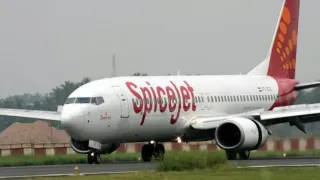
As the crisis persists, SpiceJet is still taking bookings for domestic and international flights without cautioning them for potential cancellations. The airline is booking flights for routes it cannot operate. The disruptions come at a time when air turbine fuel (ATF) prices, a shrinking operational fleet, and regulatory scrutiny of the budget airliner are rising.
Hours Of Delay, Cancellations
Several incidents have been reported till now. On November 19, hours of delay and subsequent cancellation of a SpiceJet Delhi-Mumbai flight triggered chaos at the Indira Gandhi International (IGI) Airport. Passengers chanted "chor, chor (thieves)", criticising SpiceJet.
One of the most interesting parts is that the airline's website displayed no specific disruption-related warning for either a Delhi-Dubai or a Delhi-Mumbai service, both scheduled to take off on November 24. Both booking attempts proceeded all the way to the payment stage, India Today reported.
ALSO READ: SpiceJet Flight Disruptions Spark Protests At Mumbai Airport; Stranded Passengers Demand Refunds
The case of Delhi-Dubai is particularly interesting because Dubai International Airport (DXB) has recently suspended check-in services for SpiceJet flights over unpaid dues. The Delhi-Mumbai route has also raised questions, with around eight cancellations recorded on each leg over the three days. The disruptions have been going on for weeks. Additionally, there are several posts on social media on SpiceJet not refunding passengers for cancelled flights. One person said it had been 20 days, and they were yet to receive the money, India Today reported.
How did the DGCA respond?
The Directorate General of Civil Aviation (DGCA) responded on airline's slowly deteriorating performance and issued it a show-cause notice on November 17 over multiple instances of alleged regulatory non-compliance and passenger inconvenience.
The DGCA flagged eight episodes of operational and regulatory non-compliance and provided SpiceJet seven days to respond.The regulator pointed out worsening operational performance, declining on-time performance, rising delays and cancellations, and failure to adhere to approved flight schedules.
Furthermore, It flagged consistent passenger inconvenience arising from flight disruptions and inadequate passenger facilitation. The DGCA stated that the most SpiceJet's aircraft remained grounded and that the airline had failed to submit a credible plan for returning them to service.
It also raised concerns over delayed payments to overseas service providers, uncertainty surrounding mandatory insurance coverage and the airline's failure to pay an earlier regulatory penalty despite repeated reminders.
Separately, the Airline Pilots' Association of India (ALPA India) has raised concerns about the possible implications of SpiceJet's financial difficulties for flight safety and employee welfare. Allowing continued booking despite curtailed operations raises the question if SpiceJet was trying to use the money of unsuspecting passengers to keep functioning.
SpiceJet's operational difficulties are reflected in its fleet numbers: the airline currently has just five operational aircraft out of a total fleet of nearly 50 on paper. Consequently, its domestic market share dropped significantly from 3.9 per cent in January 2026 to 0.6 per cent by September.