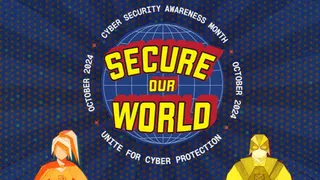
Cybersecurity Awareness Month, observed every October, highlights the importance of safeguarding personal and organisational data in our increasingly digital world. The theme for 2024 is “Secure Our World,” emphasising the proactive steps individuals and businesses can take to protect themselves against cyber threats. As technology continues to evolve, so do the tactics employed by cybercriminals, making it crucial for everyone to stay informed about potential risks and best practices for online safety.
It is especially important for the younger generation, who are often early adopters of new technologies, to be aware of online threats and develop safe habits early on. To shed more light on the importance of Cybersecurity Month and create more awareness among the young generations, Jagran English spoke to Ravi Bhushan, Founder and CEO, BrightCHAMPS, an Indian edtech startup.
Here are the excerpts from the interview:
1. How has the rise in screen time, especially due to the pandemic, affected children's online safety, and what trends are you noticing in terms of cybersecurity threats targeting younger users?
Response: When most of a child’s waking hours are spent online, especially on social media, which is a breeding ground for mental health challenges, it can make kids very vulnerable to feelings of inferiority and isolation when all they see are the absolute best moments of their friends and acquaintances lives without any knowledge of their challenges. It can be difficult for adults also to have a balanced understanding of the reality of life in the face of everything looking so shiny and glamorous all the time, so imagine how harmful it is for kids. And these kinds of vulnerabilities are what make them most vulnerable to exploitation and then bullying.
The race to say and do edgy things can make them take up dangerous online challenges that can jeopardise their physical safety. The need to get traction and eyeballs for the content they are putting out can make them do erratic, harmful things. The desire to own more things, having more money or social clout (influencing) can make them vulnerable to financial scams and exploitation. And once compromising information has been shared online, it leaves them vulnerable to sextortion as they desperately attempt to keep anyone from finding out the ugly problem they are stuck in.
2. According to a WHO survey, ‘children spend upto six hours online every single day,’ cyberbullying is another growing concern among children. What are the various kinds of mental, physical, and social impacts on the children who are bullied?
Response: It honestly depends on what they are doing online – if they are learning new things and supplementing their knowledge, building global communities of kids that exchange ideas and share insights, I don’t think that’s a problem, and there are ways to balance the effects of screen time. In this case, when knowledge is the goal, I think most of the impact is related to lack of physical activity and eye fatigue. I think those are easily manageable situations, though, with regular walking breaks and not being on the screen at a stretch.
But I don’t think the screen time problem comes from too much learning! Most of it is directly related to social media. Mentally, I think it leads to feelings of extreme inferiority. We can never feel adequate if we’re always comparing our lowlights with the world’s highlights. Physically, I think it can create an unhealthy relationship with one’s body and also sexualise them while they’re too young.
(BrightCHAMPS CEO Ravi Bhushan)
I see pre-teens obsessing over their weight and muscles and their pores and “imperfections” because they believe filtered photos to be reality. That is very dangerous. Socially, I think constantly feeling inferior can make children isolate themselves from their families and loved ones. I also think the anonymity that the internet affords and how much you can get away with, without anyone having to be accountable for anything is making kids harsh, lacking compassion and empathy, and using ugly language when they are online – even kids who are extremely sweet in real life. The cognitive dissonance is mind-boggling.
3. What are the measures parents should undertake to protect their children online?
Response: I think to keep children safe online, parents need to be willing to listen. As a parent myself, I am constantly amazed by the new threats to kids online - and this is despite being in the industry that I am, with technology all around me. So to understand the possible threats, parents need to create an extremely safe space for kids to be willing to grant them access to the online world. This is a seriously challenging task. I know that there are enough and more parents who think that they can know through trackers, locks, and snooping, but while working with children I've also seen that kids are way ahead of us - if they want to keep something secret, they'll find a way.
The idea of a safe space also extends to making children feel heard, not judged, not attacked, and not punished for what they choose to share. This too is a muscle that strengthens only when parents exercise it constantly. Parents, in their fear, tend to react negatively to what they find out or are told, which can have a long-term negative impact on the child and the parent-child relationship. The thing parents have to understand is that they can never completely take away all the dangers of the internet by just enforcing restrictions - that might work in the short term but is not a long-term strategy. What they can do is create a sense of safety and belonging in real life for their kids so that even if something does go wrong online, the kids are empowered to seek help and support instead of feeling alone and trapped.
4. At what age should parents begin teaching their children about online safety?
Response: Given that we know that kids as young as 5-6 have access to their parent’s phones and have learned how to use it enough to be able to even conduct financial transactions independently while ordering things, I think age-appropriate conversations about cybersecurity need to be a part of their lives from the time their access to phones begins. Regular conversations about safety and responsibility would make the message sink into their conscience much better than once-in-a-while lectures, especially when the lectures start in their teenage years when they’re least interested in being lectured.
5. BrightCHAMPS focuses on educating children in coding and next-gen skills. How do you integrate cybersecurity education within your curriculum to prepare children for a safe digital future?
Response: Our playbook is to look at every ‘problem’ holistically. So when we consider cyberbullying, the conversation we’re interested in having with kids and parents is not just about what to do to not get bullied, but also ensuring that they don’t unintentionally act like the bully themselves! Because if so many kids are getting bullied, then someone must be doing the bullying also, right?
As for our curriculum, we try to be as immersive as possible instead of being theoretical. For eg: the coding and AI curricula have portions that talk about building ethical tech and misuse of tech tools and AI to bully people instead of making the internet more inclusive. Our language learning curriculum talks about harsh and bullying language and the difference between joking and picking on someone. The financial literacy curriculum includes modules about financial scams and sensitive personal information.
6. As cybersecurity evolves rapidly, what role do educational platforms like BrightCHAMPS play in bridging the gap between parents' awareness and children's online activities?
Response: I think platforms like ours can give parents an actual understanding of what their children actually think and do online, as opposed to what they think is happening. I think sometimes there can be a disconnect between what the parents think is possible because they are still looking at the world through the eyes of a digital immigrant and cannot perceive how fast a digital native’s – their child’s – world changes. I also think the number one role is that of making ethics and inclusivity a cornerstone for conversations about online lives, given that the student-teacher relationship has a lot of influence on a student’s way of thinking in the long run.
7. A message to new-age parents and children
Response: It’s going to be okay, as long as we’re all committed to solving the problem and not just find someone to blame it on so we can keep our hands clean. This sounds intuitive but requires a lot of intellectual honesty and the ability to keep chipping away at the problem without making it personal or taking a shortcut.