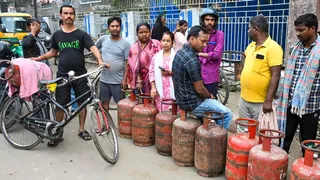
As the war entered its second day, Iran blocked the key route responsible for the passage of crude oil and cooking gas (LPG) to the world. This triggered massive chaos in the Asian markets as the region is heavily dependent on the narrow passage, which accounts for nearly 20 per cent of energy supply. In India, petrol and diesel prices haven’t increased, but the government has already increased the prices of domestic cylinders by Rs 60.
The shortage of cooking gas can be felt in all regions of the country. Several popular eateries of Bangalore, Chennai, Kolkata and Delhi raised an emergency alarm. Some of them have either curtailed their business or temporarily shut down, citing supply constraints.
(A griddle is switched off to conserve LPG gas inside Vidyarthi Bhavan restaurant, as restaurants and hotels in southern India, including the IT hub of Bengaluru, have warned of shutdowns amid disruptions in commercial LPG supply. CREDIT: REUTERS)
But have you noticed that oil prices are still not affected? But LPG prices have shot up exponentially. The reason is simple— India is heavily dependent on LPG imports. According to recent data from the financial year 2025 (and trends into early 2026), imports meet about 66% of India's domestic LPG needs.
India's dependence on energy import
According to the data published by the government in 2024, India imported about 65 per cent of its LPG consumption of 31 million tons.
In India, cooking fuel and is mainly imported by state retailers Indian Oil Corp, Bharat Petroleum Corp and Hindustan Petroleum Corp and sold at a subsidised price to households. According to a report published in Reuters in October last year, Indian state refiners are jointly seeking to buy about 2 million metric tons of US LPG in 2026 through tenders. However, details about the supply are still not available.
(A notice informing customers about a price hike is displayed inside a local food stall amid disruptions in commercial LPG supply, following the US-Israel conflict with Iran, in Bengaluru | CREDIT: REUTERS)
This import dependence has persisted despite gradual increases in local output from refineries. The bulk of these imports, around 92 per cent in recent years, comes from the Middle East.
India’s key LPG suppliers include:
UAE ( nearly 40 per cent of imports)
Qatar ( nearly 22 per cent )
Saudi Arabia, Kuwait, and others make up the rest.
A significant portion, around 85-90 per cent, of these shipments transits through the Strait of Hormuz, making India highly vulnerable to geopolitical tensions, blockades, mining threats, or shipping halts in the region.
Govt says no shortage
While no outright shortage has been declared yet by the government, prolonged Hormuz issues could spike prices further. Efforts to expand sourcing from more than 40 countries, ramp up domestic production, and explore alternatives like US Gulf Coast supplies aim to build resilience. However, structural dependence on imports highlights ongoing challenges to India's energy security in a volatile global landscape.