New Delhi | Jagran News Desk: World has not emerged from the Covid-19 Pandemic yet as one or other variant keep popping out in different nations, but amid all this, a death from a new fever in the United Kingdom has sparked concerns among all. At least 3 cases of fever named Lassa fever have been confirmed in the UK among which one of them died
Reportedly, all the three people infected were from the same family in eastern England and had a travel history from West Africa. The first death from the fever was reported by the UKHSA at Bedfordshire hospital in North of London. They said it is the first time that cases caused by Lassa virus, have been reported in the UK for more than a decade.
As of now, no cases have of the potentially deadly Lassa fever have been detected in India. WHO, for now, is monitoring the situation of virus in the UK.
So, What exactly is Lassa Fever?
Lassa Fever is an acute viral infection that is endemic in parts of West Africa, including Sierra Leone, Liberia, Guinea and Nigeria. According to WHO, this viral hemorrhagic fever is primarily transmitted to humans via contact with food or household items contaminated with urine or faeces from Mastomys rats. Also, secondary human-to-human transmission and direct contact with the blood, secretions, organs or other body fluids of infected persons can transmit the diseased.
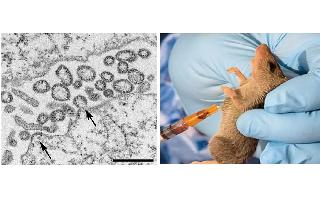
The virus-causing Lassa Fever was first identified in 1969, which is a single-stranded RNA virus belonging to the virus family Arenaviridae. The fever usually occurs in the dry season (December-April) and follows the reproduction cycle of the Mastomys rats in the wet season (May – November).
According to WHO, the viral disease can be diagnosed only in laboratories using two methods:
-Reverse transcriptase polymerase chain reaction (RT-PCR) assay
-Antibody enzyme-linked immunosorbent assay (ELISA)
What are the Symptoms and Risk of the Lassa Fever?
The first signs of any contact with a virus in Humans generally appear within 1-3 weeks. Symptoms such as slight fever, fatigue, weakness and headache or bleeding, difficulty breathing, vomiting, facial swelling, pain in the chest can be visible in patients with the fever.
Approximately 80% of Lassa virus infections in humans are either asymptomatic or mild, however, infection in the remaining 20% manifests as a febrile illness of variable severity associated with multiple organ dysfunctions with or without haemorrhage.
The overall case fatality ratio among all infected people is approximately 1% but is significantly higher among patients hospitalized with severe illness (around 15%).
The UKHSA said the risk to the public “remains very low”. Also, as per WHO, the overall regional and global risk is considered low due to minimal cross-border transmission from Nigeria to neighbouring countries.
How to prevent, treat the Lassa Fever?
Stay Away from rats, also get pest control at your house. But if infected, WHO says, Timely diagnosis results in more rapid isolation of patients. Early supportive care with rehydration and symptomatic treatment improves the survival of patients.
While, Researchers have been successful in drugs for the virus that includes Ribavirin, an antiviral drug that has shown to be most effective when given early in the course of the illness.