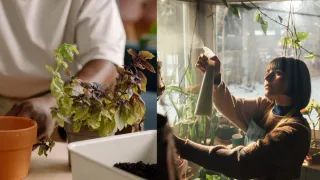
Winter demands a completely different approach to gardening while the plants rest through the chill. Choose gentle, protective strategies like shielding beds from salt runoff, holding back fertilisers, and leaving spring buds intact. You shouldn't have to sacrifice plant health when simple seasonal changes keep your garden thriving.
5 Common Winter Gardening Mistakes That Can Damage Your Plants
Here are five frequent winter gardening mistakes that harm landscape plants, trees, and indoor greenery during the winter months. Avoid heavy-handed watering, out-of-season pruning, excessive mulching, and salt contamination to keep your garden safe until spring arrives.
1. Overwatering Dormant & Indoor Plants
The Issue: Sticking to a rigid schedule of summer-level moisture during winter. Cooler temperatures during winters slow down plant development and lower evaporation, leaving soil damp for longer periods.
The Solution: Test soil dryness with a finger prior to watering it. Allow the top two inches to dry out thoroughly and lower watering frequency for both indoor and outdoor plants.
Take care of your plants (Image Credits: Pexels)
2. Pruning Out Of Season
The Issue: Extensive pruning of spring bloomers during winter, such as rhododendrons, azaleas, or lilacs; or cutting back fruit trees too early in winter can stop their growth altogether.
The Solution: Hold off on significant pruning until late winter or early spring as fresh growth begins, or wait until spring flowering plants finish blooming.
3. Improper Mulching And ‘Mulch Volcanoes’
The Issue: Adding thick piles of wood chips directly up against plant stems and tree trunks, or applying mulch over 3 inches deep causing bark and root death during winter gardening.
The Solution: Keep organic mulch to a loose 2-to-3-inch depth, pulling it back a few inches from the base of the trunk or stem to create a doughnut-like ring instead of a big clump.
Don't neglect your plants (Image Credits: Pexels)
4. Neglecting Salt Runoff
The Issue: During winters, generously applying aggressive chemical salts to nearby steps, driveways, or walkways. The salt used to remove snow can damage the soil in the long run thus affecting gardening.
The Solution: Limit salt application over the soil where you grow plants, change to plant and pet safe non-salt substitutes.
5. Off-Season Fertilisation
The Issue: Applying standard summer plant food to indoor plants or outdoor gardens throughout the winter period can force them to become weak, fragile and affect their growth as they can’t absorb all nutrients.
The Solution: Pause all feeding until early spring, when increased daylight triggers renewed growth and they need more fertiliser.
Don't fertilise your plants during winters (Image Credits: Pexels)
Mistake | The Risk / Issue | The Solution |
Overwatering | Cold soil stays damp, suffocating roots and causing root rot. | Check the top 2 inches of soil; water only when dry. |
Out-of-Season Pruning | Strips spring buds & halts tree/plant growth. | Prune trees in late winter; wait until post-bloom for spring flowers. |
Improper Mulching | Thick "volcanoes" trap moisture and rot bark/roots. | Maintain a 2–3" depth in a donut ring away from the trunk. |
Salt Runoff Neglect | Chemical deicers leach into soil, damaging plant health. | Use coarse sand or plant-safe deicing substitutes near beds. |
Off-Season Fertilization | Resting roots burn, causing weak, cold-sensitive growth. | Pause all feeding until active growth resumes in spring. |
More Tips For Winter Garden Care
- Protect tender shrubs from harsh conditions by wrapping them to prevent windburn and tissue loss.
- Cover delicate plants using cloths or cotton sheets on freezing nights. Secure the sides tightly and remove them once sunshine returns.
- Water your garden deep two days before a harsh cold day.
- Gently sweep accumulated snow off branches with a soft broom to stop breakage.
FAQs
How often should I water my plants in winter?
Most indoor plants need water far less frequently than in summer. Overwatering in cold soil can quickly suffocate roots and cause root rot harming the plant.
Should I fertilise my garden during the winter months?
No, stop all fertilising for outdoor plants and houseplants throughout winter. Applying plant food now can trigger weak, fragile growth that easily breaks.
How do I protect outdoor potted plants from freezing during winters?
You can cluster pots together against a warm, south-facing exterior wall to block harsh winds. You can also wrap pots in bubble wrap, or sink them into garden soil for better protection.