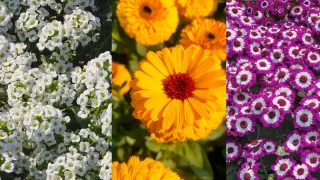
Pansies, cineraria, pot marigolds, and more are cold-loving plants that thrive even at zero degrees Celsius without drooping or losing colour. They possess natural resistance against bitter-cold winds and chills. You can grow these vivid blooms in your garden or balcony to keep it colourful and beautiful throughout winter.
Did You Know These Flowers Bloom Even In Cold Winters?
Here are five resilient winter flowering plants commonly grown in India that can withstand severe cold winds, dense fog, and morning frost.
1. Pansy (Viola tricolour)
Pansy flowers flourish even when overnight temperatures drop close to 0°C. They have butterfly-like blooms in different colours of purple, yellow, and orange, and they can also be multi-coloured.
Butterfly-shaped blooms of pansies (Image Credits: Pexels)
Pansy flowers can tolerate severe morning frost and fog. It temporarily wilts under frost only to spring back up and bloom once morning light shines on it.
2. Pot Marigold (Calendula)
One of the toughest winter flowers across Indian gardens, Pot Marigold blooms continuously through the frosty season of winter. It has dense orange-yellow petals that bloom beautifully.
Beautiful colour of pot marigolds (Image Credits: Pexels)
Pot Marigold is thick and strong, and naturally resists damage from heavy dew and freezing winter winds when grown.
3. Sweet Alyssum (Lobularia maritima)
Sweet Alyssum thrives effortlessly in freezing climates and cold weather throughout December and January. It has white, pink, and purple coloured thick blooms that cover the garden floor.
Clusters of sweet alyssum (Image Credits: Pexels)
Sweet Alyssum forms a dense base of honey-scented flowers that shields its own root base from freezing in the morning frost of winter, so it keeps growing and thriving.
4. Cineraria (Pericallis x hybrida)
Cineraria requires cold nights and grows in temperatures between 2°C and 7°C. It is commonly found in Himalayan valleys and chilly plains of India. You can find it in different shades of purple, blue, and magenta.
Winter loving cineraria flowers (Image Credits: Pexels)
Cineraria flowers cannot stand heat and require chilling winter temperatures to trigger their massive clusters.
ALSO READ: 5 Common Winter Gardening Mistakes That Can Damage Your Plants
5. Petunia (Petunia hybrida)
Petunia is a flower that can survive heavy cold waves, dense winter smog, and near-freezing nights across Indian states. They have trumpet-shaped blooms in almost every shade of rainbow.
Beautiful blooms of petunia (Image Credits: Pexels)
Petunia possesses deep, fibrous roots and thick leaves. It protects vital plant fluids from cellular damage due to freezing during extreme temperature dips in winter so it stays fresh.
Flower | Cold Tolerance | Colors | Key Resilience Feature |
Pansy | Down to 0°C | Purple, yellow, orange, multi | Freezes & wilts in frost, bounces back in morning sun |
Pot Marigold | Heavy frost & cold winds | Bright orange, golden yellow | Thick, tough foliage naturally resists dew & freeze damage |
Sweet Alyssum | Near-freezing Dec–Jan chill | White, pink, purple | Dense floral mat carpets soil, insulating its own roots |
Cineraria | Optimal at 2°C–7°C | Purple, blue, magenta | Chilling temperatures trigger massive clustered blooms |
Petunia | Survives cold snaps & smog | Broad rainbow spectrum | Deep roots & thick leaves stop internal fluids freezing |
ALSO READ: 5 Winter Root Vegetables You Can Grow In Small Containers At Home
FAQs
What is the trick to keeping petunias blooming heavily during peak January chills?
Water petunias strictly at the soil level to prevent mould on the petals, and cut blooms weekly so the plant directs all its energy into root protection and fresh flower buds.
How do calendula flowers tolerate the dense smog and humidity of Indian winters?
Calendula have thick, sticky leaves with sturdy stems that act as natural barriers against soot, heavy dewdrops, and cold winds without developing any fungal rot.
Which of these winter flowers handles a sudden near-freezing frost the best?
Pansies are the best at handling extreme dips in winter temperatures. They can freeze stiff, temporarily wilt, and grow again totally undamaged within an hour of exposure to sunlight.