Self-Help Books vs Psychology Books: In today's hectic world, when everyone is moving in a fast-paced world, memory plays a crucial role. From keeping a check on deadlines, birthdays of close ones, meetings, academics, and whatnot. Some people play games, some get into sports or other activities, and a few read books to keep a hold of their cognitive skills and boost memory. But do you know which sort of books help sharpen your memory better?
Self-help books or psychology books?
Here comes an exciting comparison of these two genres based on cognitive science and personal experiences. But before, let’s clear the basics.
What Are Self-Help Books?
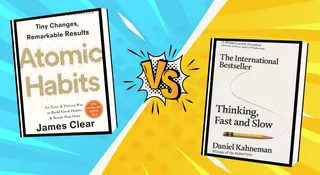
Self-help books are motivational and contain helpful advice, habits, and tips that can improve people's lifestyles. Examples, Atomic Habits by James Clear on habit formation, or The Mountain Is You by Brianna Wiest, which is about being aware of your own self-sabotaging behaviour.
Self-Help Book (Image Credit: Canva)
What Are Psychology Books?
Psychology books are research-led content that explores various aspects of people's psychology through cognitive science. These books include popular books like Thinking, Fast and Slow by Daniel Kahneman, Influence by Robert Cialdini, which provide insights into why and how to overcome memory challenges.
Psychology Book (Image Credit: Canva)
4 Ways Self-Help Books Help in Improving Your Memory
Self-help excels in making theory work in practice:
1. Habit Stacking: Read Atomic Habits and learn how to pair new memory exercises, like using flashcards every day. Such existing routines can enhance memorisation.
2. Visualisation Tricks: Apply visualisation techniques discussed in Unlimited Memory by Kevin Horsley to remember a list, like a grocery list.
3. Motivational Boosts: Short, interesting books are more motivational than descriptive, educational textbooks.
4. Mental Drills: Practice 10-minute drills every day; for example, write a gratitude diary each day to create strong neural connections effortlessly.
4 Science-Packed Ways Psychology Books Help Boost Memory:
Books on Psychology are loved for their depth, perfect for those preferring facts over passion and those who love knowing the reason.
1. Specific Memory Techniques: Psychology Books provides you with science-backed tips and tricks to improve your memory through simple lifestyle changes.
2. Improved Focus and Structure: Psychology Books offer you insight into facts and science-backed knowledge that not only give you structure to work on your memory but also provide focus on the right direction.
3. Active Cognitive Engagement: Grasp how the brain becomes more focused and strengthens both short-term and long-term memory through employing specific brain training exercises.
4. Dual Process Theory: Master how System 1 (quick and intuitive) differs from System 2 (deliberate and analytical) to memorise content effectively amid stress conditions such as examinations.
ALSO READ: 8 Books That Went Viral On Social Media
Self-Help Books vs Psychology Books:
| Aspect | Self-Help Books | Psychology Books | Winner for Memory Sharpening |
|---|---|---|---|
| Core Focus | Practical habits & motivation | Scientific mechanisms of memory | Psychology (deeper insight) |
| Memory Techniques | Mnemonics, repetition drills, and daily rituals | Evidence-based methods like spaced repetition, cognitive load theory | Psychology (research-backed) |
| Readability | Super engaging, story-driven | Dense but enlightening | Self-Help (faster retention) |
| Long-Term Impact | Builds routines for consistent practice | Explains "why" for sustained change | Tie (depends on the reader) |
| Examples | Moonwalking with Einstein (memory tricks) | Make It Stick (learning science) | Psychology (proven efficacy) |
Lastly, Psychology books might enhance memory skills more effectively. They cover brain circuitry, helping improvements stick. On the other hand, self-help books are more effective in boosting motivation – otherwise, information goes to waste.
ALSO READ: Which Books Teach Proven Memory Techniques You Can Use Daily?
So, begin with self-help for inspiration (Unlimited Memory), then move to psychology (Make It Stick). Maintain a journal: Highlight one strategy each week. In an age devoid of memory, the secret formula? Read critically. So, what team are you on -self-help books or psychology books?