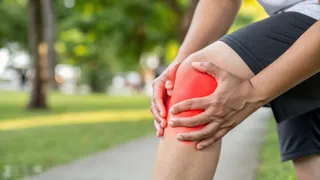
Pain in the knee and the back is often exacerbated and made worse in the winter due to a combination of causes that can be explained in terms of scientific facts and observations. For instance, the low temperatures at which the weather is maintained make the muscles and tendons around the knee and the back contract and pull, which denies the area enough blood and therefore makes it stiffer. Moreover, the low atmospheric pressure experienced allows the tissues around the knee, as well as the back, to expand and thereby apply some pressure and cause pain. There are several other reasons that increase the pain in joints such as the knee and back, especially in the winter season.
Areas such as the back and knees suffer more, as they are exposed to stress on an ongoing basis. The cold will increase nerve reaction in such regions, leading to inflammatory reactions. In conversation with The Daily Jagran, Dr Murtaza Adeeb, Consultant Orthopaedic & Joint Replacement Surgeon, Inamdar Hospital, Pune, shares why joint pain increases in winter.
Every winter, there is an increase in the cases of joint pains, especially in t the knee and back. There is solid science behind this experience. Cold weather may not “cause” arthritis by itself, but it quietly weakens bones and increases the chances of pain, stiffness and even fractures in older adults.
ALSO READ: Stiff Knees, Aching Back? Doctor Explains How Winter Sunlight Deficiency Could Be The Real Culprit
When the temperatures fall, the blood vessels in the arms and legs constrict in an effort to conserve body heat. Dr Murtaza Adeeb states, “Less warm blood reaches the joints and surrounding muscles, making them stiffer and less flexible.” To a knee or hip already compromised by osteoarthritis, that extra stiffness translates to more friction inside the joint, and more pain with every step. He adds, “Changes in air pressure during cold, damp weather have an impact on soft tissues around joints. Swollen joint linings and stretched pain-sensitive nerve endings make seniors feel every small movement as discomfort or a dull ache, especially in weight-bearing joints like knees, hips and spine.”
Increase In Joint Pain In Winter (Image Credits: Canva)
How Winter Quietly Weakens Bones?
Winter sets the stage for long-term bone weakening in several ways. Shorter days and fewer sun-exposed outdoor activities reduce vitamin D formation in the skin, and low vitamin D directly affects calcium absorption and bone strength, speeding up age-related bone loss in seniors. Dr Murtaza Adeeb states, “Cold weather encourages less physical activity, leading to muscle loss and deconditioning.” When protective muscles around knees, hips, and spine weaken, the load shifts back onto already fragile joints and bones, increasing the risk of arthritis flares and falls. Festive foods, reduced movement, and weight gain put more pressure on each knee with every step, accelerating cartilage wear and tear.
ALSO READ: How Winter Triggers Joint Pain, Stiffness And Fracture Risk In Seniors; Know From Doctor
What Should Seniors Do?
Dr Murtaza Adeeb states, “I recommend my patients remain gently active indoors, keep joints warm, check vitamin D and calcium levels, hydrate well, and maintain a healthy body weight during the winter months.” More importantly, winter joint pain should not be dismissed as “normal old age.” Persistent pain, swelling, difficulty climbing stairs, or morning stiffness that lasts for more than 30 minutes calls for a timely check-up with an orthopaedic specialist before a “winter ache” progresses into permanent disability.
Winters’ effects on knee and back problems are mainly caused by cold-related inflexibility, pressure, and lack of exercise, all of which are supported by medical theories despite further research.