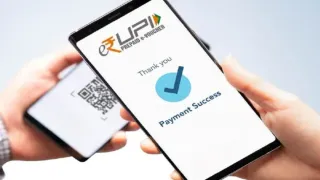
Look at any shop around you, a vegetable cart, a tea stall, a chemist. There is a QR code hanging on it. In July 2026 alone, Indians made 2,366 crore UPI payments worth Rs 29.9 lakh crore. It is a system the whole world admires, built in India, used by everyone from students to grandmothers. So when Parliament passed a law in August allowing a small fee on some UPI payments, there was anger. People felt something free was being snatched away. That feeling is natural. It is also mistaken. This column will try to explain why.
First, understand what has actually been decided. The fee is called a merchant discount rate, or MDR. It is paid by the shopkeeper, not by you. It will apply only on payments above Rs 2,000, and only for larger merchants. Sending money to a friend or a family member will remain free. Paying your local vendor small amounts will remain free. The proposed rate is tiny, 0.25 to 0.4 per cent. On a Rs 5,000 payment, that is Rs 12 to Rs 20, paid by the seller. Card companies have charged shopkeepers more than this for years.
Now the deeper question. Was UPI ever really free? No. Every UPI payment costs about Rs 2 to process. Somebody pays for the servers, the engineers, the fraud checks, the systems that make your money reach in one second. Since 2020, the law has not allowed anyone to charge for UPI. So who paid these costs? Partly the banks and payment companies, from their own pockets. And partly you, the taxpayer. The government has already paid more than Rs 11,000 crore to keep UPI running. This money came from taxes, from the same pocket that pays for roads and schools. The lunch was never free. The bill was simply sent to a different address.
Why does this matter? Because India has seen this film before. We made electricity free for farmers in many states. The result was not happy farmers and healthy power companies. The result was power cuts, broken transformers, electricity boards drowning in debt, and groundwater falling every year because free power ran free pumps day and night. We kept water almost free in our cities. The result is taps that run two hours a day. When a service is not allowed to earn anything, it slowly stops being a service. Nobody invests in it. Nobody improves it. It survives on government money until the government money runs out. Free is how good things die.
UPI deserves better than this fate. It needs constant investment. More servers as payments grow. Stronger protection as fraudsters get smarter. New features so that it stays ahead of the world. If banks and payment companies earn nothing from UPI, why will they spend on it? Out of love? For some years, yes, in the hope that rules will change. But hope is not a business plan. A small, fair fee gives the system its own income. It stops depending on the taxpayer. It can grow on its own strength, into villages, into small towns, into other countries.
Some people say UPI is a public good, like defence or street lighting, so the government should pay for it forever. This sounds noble but it is loose thinking. Street lighting is for everyone at once, and nobody can be stopped from using it. A payment is a private service. It serves one buyer and one seller, and it costs real money each time. When a big store accepts a Rs 8,000 payment, asking it to contribute 25 or 30 rupees towards the system that made the sale possible is not injustice. The store already pays for its electricity, its rent, its delivery boys. The payment pipe is no different.
Others say people will go back to cash. Think about what cash actually involves. Standing in an ATM line. Counting notes. Worrying about theft. Arguing over change. Shopkeepers love UPI because it saves them the cost and risk of handling cash, which studies show is not small. A fee of a quarter of one per cent will not send India back to counting notes. Convenience, once tasted, is not returned.
And what about the fear that shopkeepers will pass the fee on to customers? Some may try. Competition will stop most of them. If one store adds a charge, the store next door will not, and will take the customer. This is exactly how card fees have worked for decades, quietly absorbed as a cost of doing business.
The honest position is simple. Everything has a cost. The only choice a country has is whether the cost is visible or hidden. A visible price is honest. It tells us what things cost and lets us decide. A hidden price is dishonest. It quietly grows in the dark, inside government budgets and broken utilities, until one day it becomes a crisis. Our electricity boards are that crisis. Our water systems are that crisis. UPI is still healthy. The small fee is how we keep it healthy.
We love UPI because it works. Things that work need to be paid for. The government has done something rare in our politics. It has told us the truth about a bill. The least we can do is read it.
(Note: The author is a public policy analyst.)