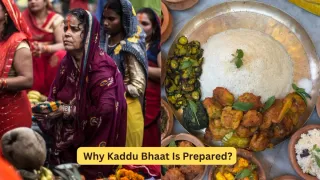
Chhath Puja begins with the Nahay Khay ritual observed on the Chaturthi of the Shukla Paksha (bright fortnight) of the Kartik month. This year, it falls on November 13.
On this day, Vratis dedicate themselves to complete physical purity and mental discipline and prepare a traditional meal known as Kaddu Bhaat, made of bottle gourd, rice and black gram (chana dal), marking the start of a four-day festival and preparation for the strict fasting ritual ahead.
Let's understand the auspicious timings, tithi and significance of preparing this sacred meal.
Chhath Puja 2026 Day 1: Nahay Khay Date And Panchang Timings
In 2026, the holy festival of Chhath begins on Friday, November 13.
Event | Date | Timings |
Day 1: Nahay Khay | Friday, November 13, 2026 | — |
Kartik Shukla Chaturthi Tithi (Begins) | Thursday, November 12, 2026 | 6:09 PM |
Kartik Shukla Chaturthi Tithi (Ends) | Friday, November 13, 2026 | 8:43 PM |
The Ritual Steps Of Nahay Khay
Nahay Khay literally means bath and eat. It is the day devotees begin Chhath Puja rituals by first purifying their bodies, homes and surroundings. Here are some steps that you should follow on Day 1:
1. Vratis should take a bath early in the morning in a holy river like the Ganga, Kosi, or Yamuna or at home by adding holy water (gangajal) to their bathwater.
2. The entire home, especially the kitchen, should be properly cleaned.
3. Traditionally, for preparing the Chhath puja meal, a mud stove, also known as chulha, should be used with dried mango wood as fuel. However, in modern times, many Hindu homes use a clean, dedicated gas for preparing the sacred meal.
4. Kaddu Bhaat is prepared on the first day of Chhath Puja, which should be consumed by Vrati first. Only after that can other family members consume it.
ALSO READ: The Cosmic Story Of Chhathi Maiya: Why Is She Worshipped Alongside The Sun God?
It is the day devotees begin Chhath Puja rituals by first purifying their bodies, homes and surroundings (Image: Pexels)
Why is Kaddu-Bhaat Prepared on Day 1?
Traditionally, Kaddu Bhaat is the main meal prepared using Kaddu, Bhaat, and chana dal. This meal holds immense spiritual significance.
1. This meal is prepared without using garlic, onion, or common sea salt. Processed spices are strictly prohibited, making it Sattvic.
2. In Hindu traditions, Lauki is considered one of the purest vegetables because it grows quickly without using chemicals.
3. Kaddu Bhaat acts as an important psychological preparation before beginning a 36-hour fast. It contains roughly 92 percent water that helps stay hydrated before the waterless fast begins.
4. Lauki paired with light arwa chawal is easily digestible, preventing acidity, bloat, and gastric issues.
5. Chana Dal provides complex carbohydrates and plant protein, giving the energy without increased blood sugar.
ALSO READ: 5 Things You Should Never Do While Observing Chhath Puja Vrat
Do's And Don'ts For Nahay Khay 2026
Here are some things you should keep in mind while observing Nahay Khay rituals:
Do's
- Use fresh brass, bronze, or clay utensils if possible. Stainless steel is acceptable if thoroughly washed.
- Make sure the person preparing the meal washes their hands and wears clean clothes before entering the kitchen.
Don't
- Touch any of the meal ingredients if you have consumed non-sattvic food in the days prior without taking a purifying bath.
- Consume regular table salt on this day.
- Avoid using aluminium or iron utensils for preparing the meal.
These are a few rules and the significance of preparing the Kaddu Bhaat.
FAQs
1. Can non-fasting family members eat Kaddu Bhaat?
Yes. Family members can eat the food, but only after the Vrati has eaten.
2. Why is raw rice used instead of boiled rice?
Arwa Chawal is considered pure and untouched by commercial processing methods, making it suitable for Chhath prashad.
3. Is bottle gourd mandatory, or can another vegetable be used?
Kaddu is mandatory according to traditional Bihari and Eastern UP customs. In rare cases, fresh Lauki is unavailable; yellow pumpkin is used as a secondary substitute.