The FIFA World Cup 2026 is almost at the showdown, with just eight teams remaining before the ultimate showdown. Several players from different clubs are plying their trade in the 23rd edition of the marquee event. Manchester City, Bayern Munich, PSG, Arsenal, and Barcelona were some of the top teams from where maximum number of players were playing in the World Cup.
However, after the completion of the Round of 16, the numbers have changed significantly. With footballing giants like Brazil, Portugal, Germany, and the United States eliminated, several clubs have seen their representation reduced.
The quarter-finals will now feature players from the eight remaining nations, which are France, Morocco, Spain, Belgium, Norway, England, Argentina and Switzerland.
Here's a look at which clubs still have the biggest presence in the FIFA World Cup 2026 quarter-finals.
ALSO READ: FIFA World Cup 2026 Golden Boot Race: Who Is Leading The Top Scorer Charts? Full List
Clubs with the most players remaining in the FIFA World Cup 2026 quarter-finals
Manchester City: 11
Bayern Munich: 10
Barcelona: 10
Arsenal: 9
Paris Saint-Germain: 9
Crystal Palace: 7
Atletico Madrid: 7
Real Madrid: 6
AC Milan: 6
Borussia Dortmund: 6
Approximate tally based on official quarter-final squads after the Round of 16.
Real Madrid or Barcelona? The answer is Barcelona
Despite not topping the overall list, Barcelona comfortably edges, Real Madrid in terms of remaining representation. The Catalan giants still have ten players alive in the tournament, while Real Madrid have six.
Barcelona continues to benefit from the progression of Spain, France and other European heavyweights, while Real Madrid lost several representatives following Brazil's shock exit to Norway and Portugal's defeat against Spain.
Manchester City remain the undisputed leaders despite Norway's surprise victory over Brazil reducing their numbers. Pep Guardiola's side began the tournament with a record 19 players and still boasts the strongest representation among the final eight teams.
Bayern Munich are second, largely thanks to England, France and Norway reaching the quarter-finals, while Arsenal and PSG remain well represented with nine players each.
Players Who Could Make Biggest Impact In Quarter-Finals
The last eight is packed with global superstars who have already lit up the tournament.
Lionel Messi (Argentina): The reigning world champion produced another inspirational display against Egypt with a goal and an assist, keeping Argentina's title defence alive.
Kylian Mbappe (France): France's biggest attacking weapon will once again shoulder the responsibility against a resilient Morocco side.
Erling Haaland (Norway): The tournament's leading scorer has powered Norway into the quarter-finals and will be England's biggest concern.
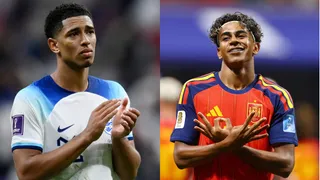
Lamine Yamal (Spain): The teenage sensation has been one of the breakout stars and will be crucial against Belgium.
Jude Bellingham (England): England's midfield engine has controlled games brilliantly and remains central to their hopes.
Achraf Hakimi (Morocco): One of the tournament's best full-backs, Hakimi has been exceptional on both ends of the pitch.
Kevin De Bruyne (Belgium): Belgium's creative heartbeat will need another masterclass against Spain.
Granit Xhaka (Switzerland): The veteran midfielder has been instrumental in Switzerland's historic run to the last eight.
When Are FIFA World Cup 2026 Quarter-Finals?
The four quarter-final matches will be played between July 9 and July 11.
Quarter-final fixtures
France vs Morocco – July 9
pain vs Belgium – July 10
Norway vs England – July 11
Argentina vs Switzerland – July 11
The coming days could dramatically reshape the club representation chart once again. With only four nations progressing to the semi-finals, clubs heavily dependent on England, Spain or Argentina could either dominate the latter stages or see their numbers wiped out in a single night.
For now, Manchester City remain the kings of club representation, while Barcelona have the bragging rights over Real Madrid heading into the World Cup quarter-finals.