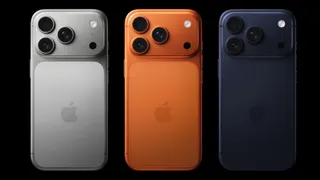
Apple's 'Surprise and Shine' event is right around the corner and this time the company is expected to showcase its latest iPhone 18 Pro series smartphones. But that is not the only thing that is expected to be on the anvil and it is anticipated that the Cupertino-based tech giant will also showcase its first book-style foldable, the iPhone Ultra. All this is expected to be unwrapped on September 9 in Apple Park.
However, the rumour mill has been churning information about what the next and first foldable from Apple will be like. Now Bloomberg's Mark Gurman has laid out some information that suggests that the device will land in the $2000 price bracket, making it a completely premium category phone. But there is a thin line here and that is that Apple's latest foldable might miss out on some key features that the iPhone 18 Pro series may come with.
Apple Foldable iPhone Could Bring Back Touch ID
Apple’s first foldable iPhone could look quite different from the company’s current Pro models, and not just because of the folding screen. Several reports have pointed to some interesting changes in the way Apple is approaching the phone, including the possible return of Touch ID and the removal of Face ID.
The design itself appears to be driving some of these decisions. The foldable is reportedly expected to measure just around 4.5mm when completely unfolded. That leaves Apple with very little space inside the chassis, especially for components such as the TrueDepth system used by Face ID.
It would be a pretty significant change for a premium iPhone. Face ID has been a standard part of Apple’s flagship phones for several generations, so bringing back Touch ID could have some repercussions, but that can only be known once the device is out in public.
Two Rear Cameras, No Telephoto
The camera setup could also be noticeably different from what Apple is expected to offer on the iPhone 18 Pro models.
According to leaks and dummy units, the foldable may get two rear cameras: a 48-megapixel wide camera and a 48-megapixel ultrawide camera. There may not be a separate telephoto camera.
That would mean giving up some zoom flexibility compared with Apple’s Pro iPhones. Again, the phone’s thin body could be behind the decision. Fitting a larger camera system into an extremely slim foldable is not an easy task, and Apple may have decided that the telephoto camera is one component it can do without.
The Screens Could Be Quite Different
Apple is reportedly planning a 5.5-inch display on the outside and a much larger 7.8-inch panel on the inside. The outer screen would work much like a normal iPhone display, while the bigger inner screen would come into play when users want more space for watching videos, running apps side by side or getting other work done.
The shape of the phone could also set it apart from other foldables. Dummy models reportedly show a wider and more compact design when unfolded, rather than the tall, narrow shape used by some competing devices.
Apple is also said to be paying a lot of attention to the crease. Mark Gurman has previously reported that the company has come close to getting rid of the visible crease. A liquid-metal hinge is also reportedly being considered, which could help the folding mechanism hold up over time.
MagSafe Is Apparently Staying
There had been some uncertainty about MagSafe because putting magnets into a foldable phone comes with its own set of design challenges, particularly around the hinge and other internal components.
However, the latest reports suggest Apple has managed to make it work. Gurman told Tom’s Guide that he has heard MagSafe is still expected to be part of the foldable.
The fact that Apple has already managed to fit MagSafe into the iPhone Air could have helped here. So, despite the phone’s thin design, Apple apparently does not see a reason to drop one of its more recognisable charging features.
Apple Could Move The Volume Buttons
The button layout may not follow the usual iPhone design either. Early dummy units reportedly show the volume buttons sitting along the top edge, towards the right side. The left side, meanwhile, could be largely free of physical controls.
There could be a practical reason for this rather than Apple simply trying something different. One earlier leak claimed that the motherboard could sit on the right side of the phone. Moving components around in this way could make it easier for Apple to avoid running cables across the folding display.
The Action Button is another question mark. There has been some speculation that Apple could leave it out, although there is no solid confirmation of that yet.
No Physical SIM Card Slot?
Apple could continue its push towards eSIM with the foldable iPhone. Reports from Mark Gurman and analyst Ming-Chi Kuo suggest that the phone may not have a physical SIM slot.
That would mean users would have to rely on eSIM for cellular connectivity, following Apple’s broader move towards getting rid of physical SIM cards in some of its recent iPhone models and markets.
There could be another limitation with connectivity. If Apple uses its own C2 modem in the foldable, the phone may not support mmWave 5G. The modem is rumoured to lack mmWave support, while the US versions of the iPhone 18 Pro models are expected to continue using Qualcomm hardware because mmWave remains relevant for some American carriers.
Taken together, these leaks suggest that Apple may be making some fairly unusual choices with its first foldable iPhone. The company appears to be prioritising a very thin design, and that could mean compromises in areas such as cameras, biometrics and connectivity. At the same time, features such as MagSafe and a much larger inner display could help the device retain the familiar Apple experience.