• LATEST NEWS
  • INDIA
  • WORLD
  • ENTERTAINMENT
  • LIFESTYLE
  • BUSINESS
  • EDUCATION
  • CRICKET
  • TECH
  • SPORTS
  • AUTO
  • SPIRITUAL
  • Fashion
  • HOROSCOPE
  • PHOTO STORIES
  • WEATHER
  • CALCULATORS
  • BRANDVERSE
  • FLASH
  • Videos
  • Cric Daily
  • Astro Daily
  • Flash
  • Search
  • In Focus
  • New UPI Charges
  • Disha Salian Death Case
  • UPI Charges On Petrol
  • WPL 2027 Schedule
  • Mutual Funds Mastery
  • AI Bootcamp
  • Opinion
  • Smart Guide
  • Jagran Reviews
  • Home
  • Uttar Pradesh

Ghaziabad Millet Cultivation Covers 15 Of 100 Hectares Target Despite Free Seed Distribution

Efforts to promote millet cultivation in Ghaziabad are seeing low interest from farmers, despite the government distributing free seeds and an appeal from Prime Minister Modi. Millets are beneficial for health, containing magnesium and fibre.

Author: Kamakshi Bishnoi
Wed, 24 Sep 2025 10:46 PM (IST)
Source:Jagran News Network
Ghaziabad Millet Cultivation Covers 15 Of 100 Hectares Target Despite Free Seed Distribution
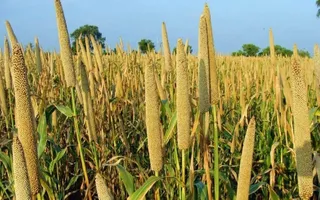
Efforts are underway to promote the cultivation of coarse grains in Ghaziabad. (Representational Image)

Despite repeated appeals by Prime Minister Narendra Modi to promote millet consumption and cultivation, farmers in Ghaziabad are cultivating millets on just 15 hectares, far below the target of 100 hectares. While farmers in Muradnagar and Loni blocks are growing millets, those in Rajapur and Bhojpur blocks are showing little interest.

Millets, a Kharif season crop, include sorghum (jowar), pearl millet (bajra), finger millet (ragi), kodo millet (kodo), and sago (sabudana). In May, the Agriculture Department provided free seeds to farmers, including 1.20 quintals of sorghum, 2.26 quintals of pearl millet, 7 quintals of finger millet, 4 quintals of kodo millet, and 5 quintals of sago seeds, sufficient for cultivation on around 100 hectares.

ALSO READ: Rishikesh-Karnaprayag Rail Line: RVNL Issues Tenders For Eight Key Stations, Work Scheduled For 2026 | Details

Currently, only six hectares of sorghum, eight hectares of pearl millet, and one hectare of finger millet are being cultivated, while kodo millet and barnyard millet (sawana) cultivation remains negligible. Deputy Director of Agriculture Ram Jatan Mishra cited flood-related damage in Loni as a reason for low production.

He emphasised the health benefits of millets, which are rich in magnesium and fibre, aid development, and improve sleep. Mishra added that increasing market demand for millets would encourage farmers to expand cultivation and that awareness campaigns are underway to promote their consumption.

ALSO READ: Centre Extends CDS General Anil Chauhan's Tenure Till May 2026

Join our WhatsApp Channel
Copyright © 2026 Jagran Prakashan Limited.All rights reserved.
For any feedback or complaint,
email to compliant_gro@jagrannewmedia.com
This website uses cookie or similar technologies, to enhance your browsing experience and provide personalised recommendations. By continuing to use our website, you agree to our Privacy Policy and Cookie Policy.