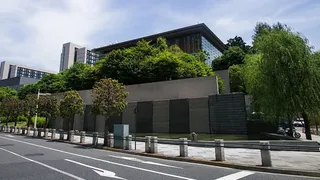
Japanese Prime Minister Sanae Takaichi may be facing more than the pressures of office after moving into the country’s much-rumoured “haunted” official residence, a historic mansion long associated with political violence and ghost stories.
Takaichi, 64, moved into the stone-and-brick residence on Monday, more than two months after taking office. The building adjoins the prime minister’s office in central Tokyo and has officially served as the premier’s residence since 2005.
Until now, Takaichi had been staying in accommodation reserved for members of parliament. Her decision not to live in the official residence drew criticism earlier this month after it emerged that she took around 35 minutes to reach her office following a major earthquake in early December. The delay sparked questions about emergency preparedness and proximity to power during crises.
Historic Mansion With Art Deco Legacy
The two-storey, 5,183-square-metre mansion was originally constructed in 1929 as the prime minister’s office. Designed in an Art Deco style inspired by the Imperial Hotel created by American architect Frank Lloyd Wright, the building symbolised Japan’s early 20th-century transition to modernism. The original Imperial Hotel famously survived the devastating Great Kanto Earthquake of 1923.
Dark History Fuels Haunted Reputation
The residence’s dark reputation stems from its violent political past. In 1932, Prime Minister Tsuyoshi Inukai was assassinated there by young naval officers during a failed coup. Four years later, another military uprising erupted at the site, leaving five people dead. A bullet hole above one of the entrance doors remains visible to this day.
After extensive renovations completed in 2005 at a cost of about 8.6 billion yen, the mansion was restored and modernised, while preserving historical features such as ornate woodwork and distinctive stone owl carvings outside.
Ghost Stories Persist
Ghost stories linked to the residence have persisted for decades. Former prime ministers and their families have spoken of eerie experiences, including alleged sightings of apparitions of military officers. Despite repeated government denials and even a reported Shinto exorcism before reopening, the rumours endure.
Several former leaders, including Shinzo Abe and Yoshihide Suga, chose not to live there. Takaichi’s move now marks a fresh chapter for one of Japan’s most storied, and controversial addresses.
ALSO READ: 'Do I Get Credit For It? No': Trump's Credit Obsession For Ending India-Pakistan Conflict Continues