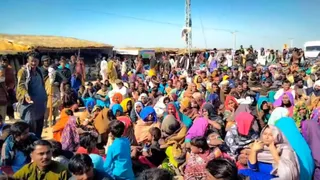
A young Hindu farmer was shot dead by a landlord in the Badin district of Sindh province, Pakistan, triggering large protests across the region. The victim has been identified as Kailash Kolhi, a tenant farmer. Local reports say he was shot in the chest by a powerful landlord, Sarfaraz Nizamani, during a dispute over building a hut on the land. Kolhi died on the spot.
Protestos demand justice for Kailash
News of the killing spread quickly, and hundreds of people, including members of the Hindu community, civil society groups and human rights activists, took to the streets in Sindh to demand justice. Protesters blocked major roads and held sit-ins, calling for the arrest of the accused and better protection for minority communities.
"Brutal, cold-blooded murder"
Leaders of minority rights organisations described the killing as a "brutal, cold-blooded murder" and said it reflects long-standing issues of feudal violence and discrimination against religious minorities in rural Sindh.
Despite assurances from police that the suspect would be arrested quickly, demonstrators say no action has yet been taken, which has increased public anger and pressure on authorities to act.
How minority community persecuted in Pakistan
The protests have drawn attention to concerns over the safety and rights of minority groups in Pakistan, with activists warning that without justice and reforms, such violence could continue.
Pakistan is already struggling with severe issues, including infrastructural neglect, extrajudicial killings, and enforced disappearances. The residents frequently protest to voice their dissent against these conditions. Killings of the minority community are very common in the Islamic nation.
ALSO READ: WTF: How Viral 'Deleted' Op-Ed Ignited Pakistan’s Gen Z Fury
The Human Rights Commission has flagged the issue of the minority situation at the world platform on multiple occasions. Not only Hindus, but the Ahmadiyya community also faces systemic persecution due to constitutional and legal restrictions. Declared non-Muslims in 1974, they are barred from practicing their faith openly. Blasphemy laws are often misused against them, leading to arrests, violence, and discrimination. Hate campaigns, social ostracisation, and desecration of graves and mosques further marginalise them, making their everyday life fraught with fear and insecurity across the country.
(With inputs from agency)