The war on Iran, launched by the joint forces of the US and Israel on February 28, has entered its 15th day on Saturday, engulfing the entire region and prompting energy supply disruption from the Gulf countries. As Iran relates to strikes on Israel and the US’s assets in Gulf countries, the war widened, and Tehran’s alleged ally, the paramilitary group Hezbollah, joined the conflict. Iran supported an armed group in Iraq that attacked the US embassy in Baghdad and reiterated to target US facilities.
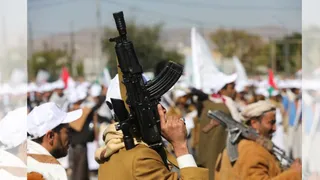
With the US and Israel intensifying attacks on Iran, targeting the oil infrastructure, and Hezbollah and an Iran-backed group in Iraq coming forward to support Tehran, the focus now shifts to Iran’s other ally, the Houthis in Yemen. Houthis are heavily armed and capable of targeting neighbouring countries featuring US assets. Houthis, who can easily disrupt maritime navigation around the Arabian Peninsula, have not joined the war yet.
ALSO READ: US-Iran War: Saudi Oil Tanker To Arrive In India Today After Rare Transit Through Strait Of Hormuz
Why Have Houthis Not Joined The War
The Houthi leader Abdul Malik Al-Houthi, on March 5, said that his group was ready to attack anytime, adding, “Regarding military escalation and action, our fingers are on the trigger at any moment should developments warrant it.” However, the group is yet to make a formal announcement of joining the war as Iran’s other allies like Hezbollah and an Iraq-based group. The main reason behind Houthis not taking part in the war could be the religious doctrine that does not adhere to the Supreme Leader like Hezbollah and the Iraqi group.
While Iran champions the Houthis as part of its regional “Axis of Resistance”, Yemen experts say the movement is motivated primarily by a domestic agenda, though they share a political affinity with Iran and Hezbollah.
Iran has been accused of arming and funding the Houthis with the help of Hezbollah. However, Houthis deny being Iran’s proxy, stating that they develop their own weapons.
Who Are Houthis
A paramilitary group with a history of fighting guerrilla wars with the Yemeni army. They expanded their power and built closer ties with Iran after the 2011 ‘Arab Spring’ protests. Taking the instability in Yemen as an opportunity, the group captured its capital, Sana, in 2014. In the coming years, Saudi Arabia, in coalition with other Arab states, launched military intervention to dislodge the group.
ALSO READ: How Modi Govt's Balanced Strategy With US, Israel And Iran Eased Fuel Stress For India | Explained
Houthis demonstrated exceptional military power and attacked the oil infrastructure in Saudi Arabia and the United Arab Emirates. Currently, Arab allies and Yemen are not fighting, following a UN-led truce. The conflict between Houthis and the Arab coalition had led to one of the world’s worst humanitarian crises.