

In Hindu households, during worship, certain items are offered to gods and goddesses, among which flowers hold special importance. Offering flowers to deities during puja symbolically represents reverence, humility, and surrender of devotees.
It reflects an inner state rather than an external requirement. However, there are certain flowers that should never be offered to specific Hindu deities. It is believed that offering them may result in obstacles and challenges in life.
Let's understand in detail which flowers should never be offered during puja.
1. Ketaki
Ketaki flower should never be used during Lord Shiva worship. It is believed that offering this flower displeases him and invites challenges.
The Reason: According to mythology, once there was an argument between Lord Vishnu and Lord Brahma about who is superior. Lord Shiva came to rescue and decided to resolve the conflict.
Lord Shiva used his powers and created a Jyotirlinga and told them that whoever would identify the beginning and end of the Jyotirlinga first would be considered the best.
So, Lord Brahma, instead of finding its end, took the help of a Ketaki flower and told him to lie in front of Lord Shiva that he had found the beginning of this Jyotirlinga.
When Lord Brahma took Ketaki, Lord Shiva instantly caught the lie and cursed Ketaki that it would be barred from the worship of Lord Shiva forever.
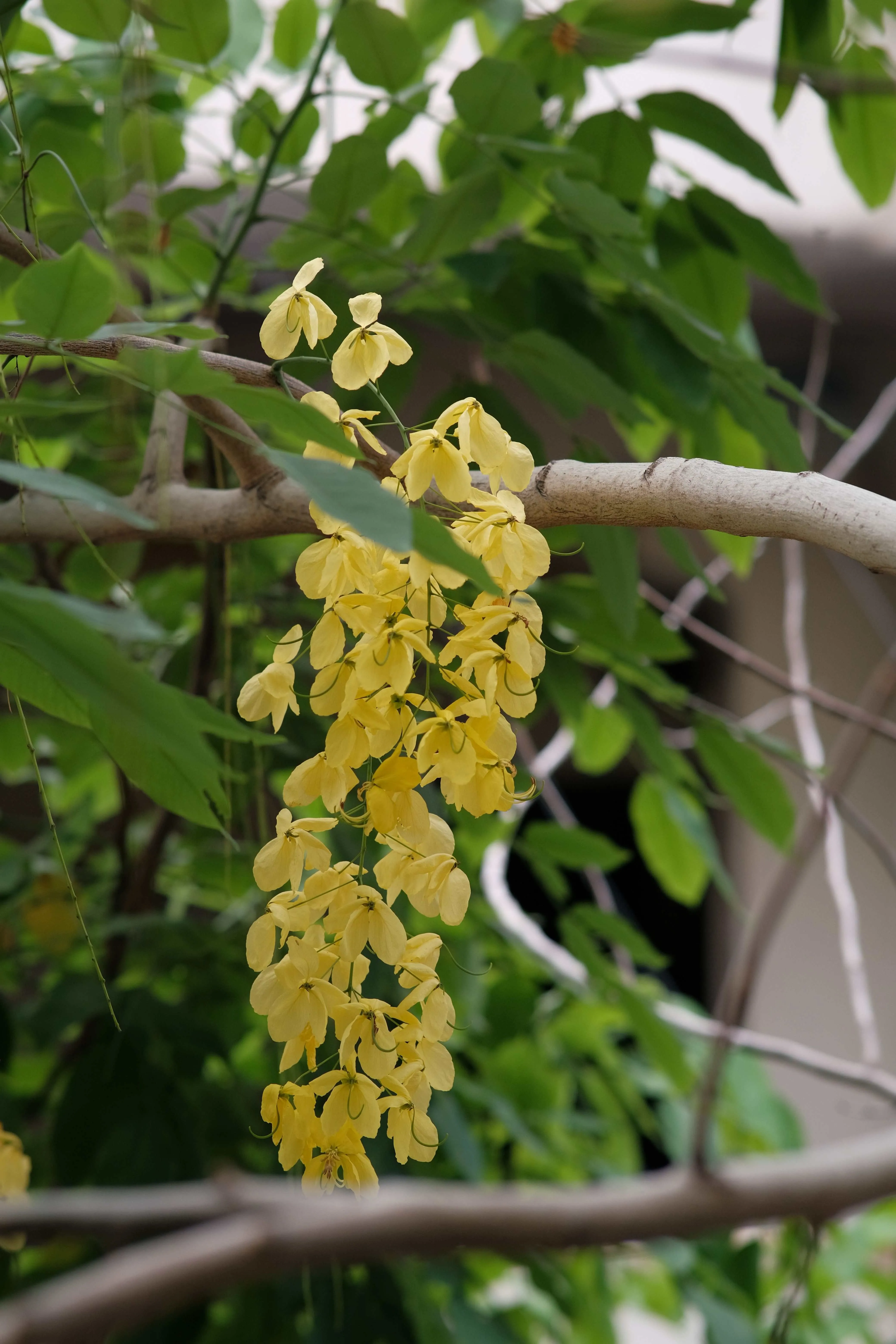
Ketaki flower should never be used during Lord Shiva worship (Image: Pexels)
2. Tulsi
Though Tulsi is considered sacred and a form of Goddess Lakshmi never offered to Lord Ganesha during his worship as it is believed it displeases him.
The Reason: According to the Brahmavaivarta Purana, once Tulsi proposed to Lord Ganesha for marriage. However, at that time, Lord Ganesha was observing penance, so he declined the offer. Tulsi felt insulted, which led to conflict between the two, and Tulsi cursed Lord Ganesha.
ALSO READ: Why Do Hindus Practise Surya Namaskar? Know Its Spiritual Significance
3. Aak (Madar)
Do not offer aak (madar) to Goddess Durga. No flower bud should be offered except Champa and Kamal. According to ancient texts like Tantrasara, Mantra Mahadadhi, and Laghuharit, the energy of this flower does not match the energetic or divine nature (sadhana) of Goddess Durga.
However, you can offer this to Lord Shiva.
4. Red Hibiscus
Red Hibiscus should never be offered to Lord Vishnu, as it belongs to Goddess Kali, a manifestation of primordial energy, and the hibiscus symbolically represents the bloodlust that possesses her.
As she represents a form of energy, this blood symbolism becomes life-affirming because it ties her to the life forces that pulse in all of us.
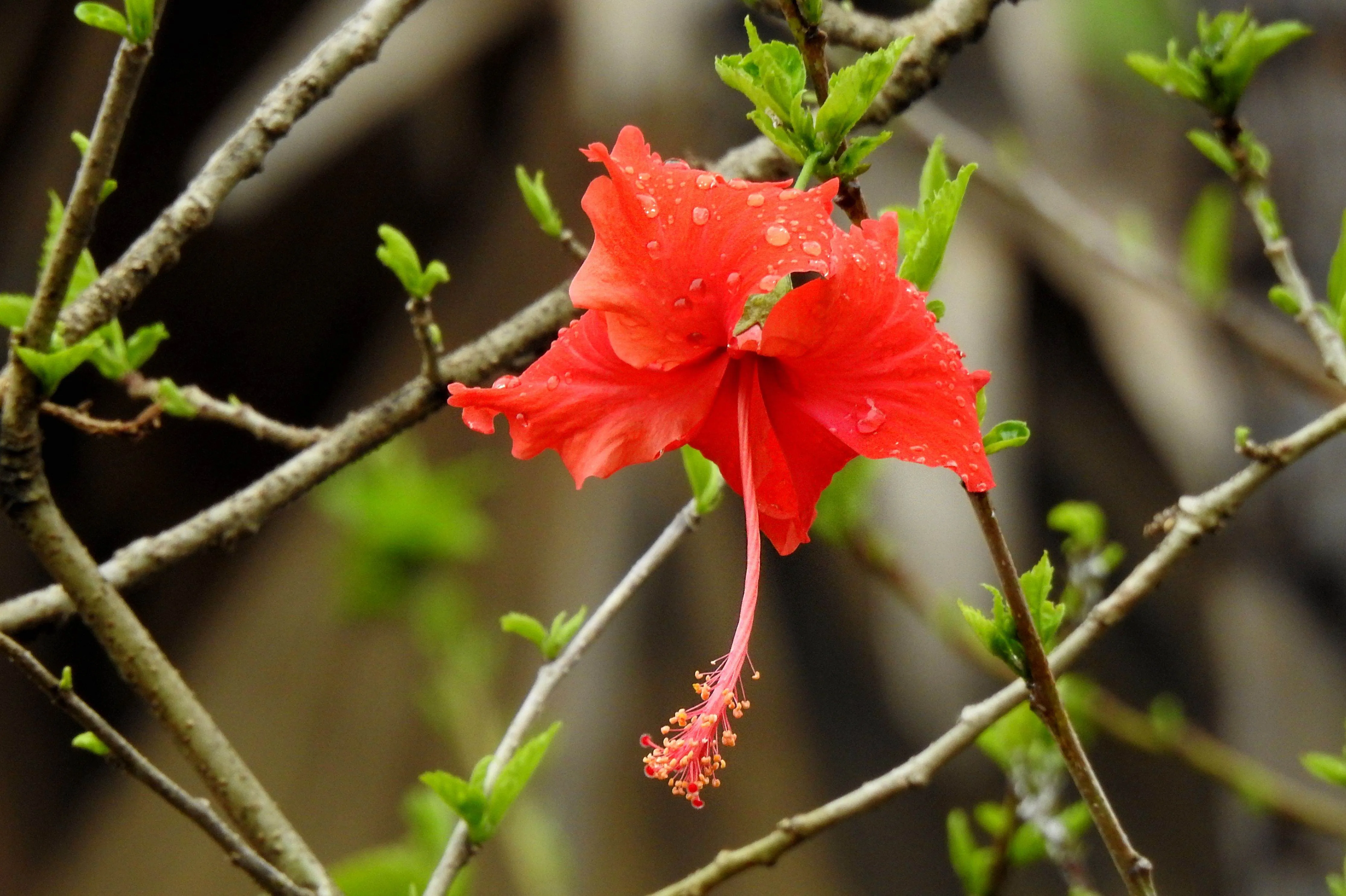
Red Hibiscus should never be offered to Lord Vishnu (Image: Pexels)
5. Kaner Flowers
As per scriptures, Kaner should never be offered to Lord Rama during worship, as it is believed to anger him and may yield inauspicious results.
Reason: Kaner flowers, though rich in medicinal properties, are toxic. Due to its toxicity, it is prohibited from being used in rituals. Therefore, offering this flower during the worship of Lord Rama, the embodiment of dignity, is considered taboo.
ALSO READ: Why Is Tulsi Mala Sacred In Hinduism? Meaning, Rules And Benefits
So these are the five flowers that should never be offered to these deities.
FAQs
1. What happens if I unknowingly offer a prohibited flower?
In Hinduism, a devotee's intention matters a lot. Unintentional mistakes are often not severely penalised, but understanding and respecting traditions is a sign of devotion.
2. Can these traditional prohibitions change over time or vary by region?
No, these widely accepted prohibitions tend to remain consistent.