
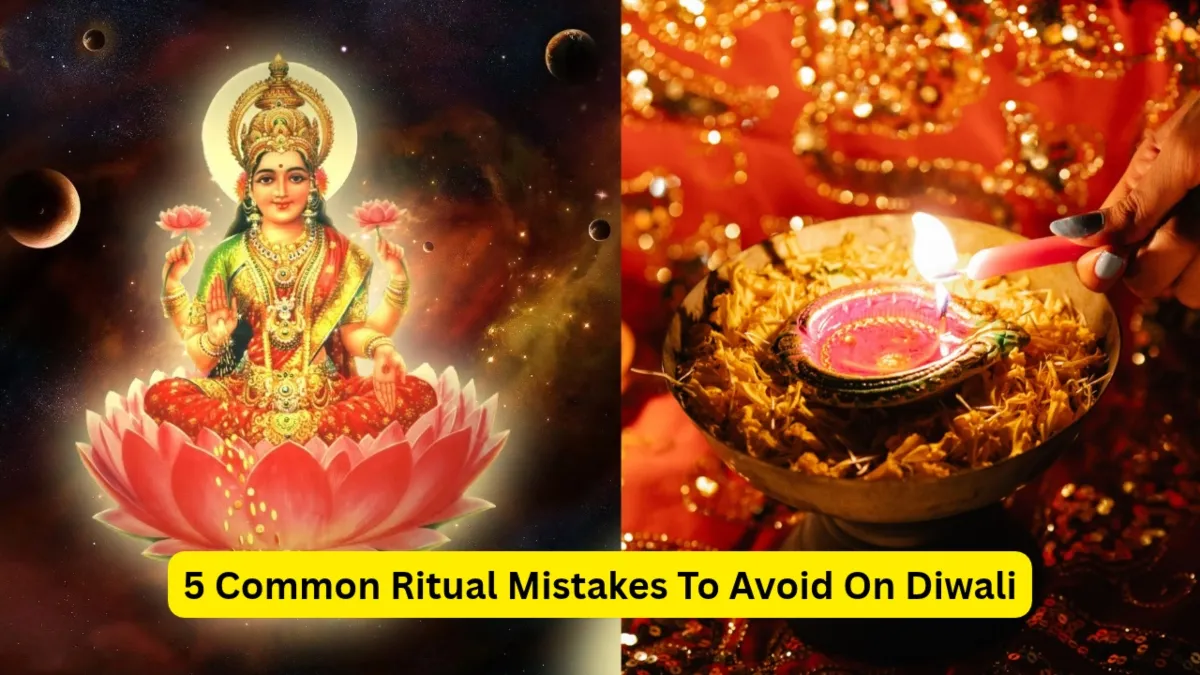
Diwali is the festival of lights, prosperity, and spiritual renewal. It's incomplete without Lakshmi Puja, which is performed to invite Goddess Lakshmi into the home.
While sincere devotion and intent matter most, traditional Vedic scriptures emphasise specific ritual guidelines for positive energy flow.
Here are the 5 most common Lakshmi Puja ritual mistakes to avoid on Diwali and simple ways to correct them.
1. Incorrect Placement Of Lord Ganesha and Goddess Lakshmi
One of the most common mistakes that people make on Diwali is placing the idol of Lord Ganesha and Goddess Lakshmi incorrectly on the puja altar.
Never place Lord Ganesha on the right side of Goddess Lakshmi. In traditional iconography, a male deity's right side is reserved for their wives. As Goddess Lakshmi is Lord Vishnu’s consort, placing her on the right is not correct.
How To Correct It: From the worshipper's perspective, place Lord Ganesha to the left of Goddess Lakshmi.
Pro-Tip: Ensure both idols face East or North during the prayer, while you, the devotee, should face East or North-East.
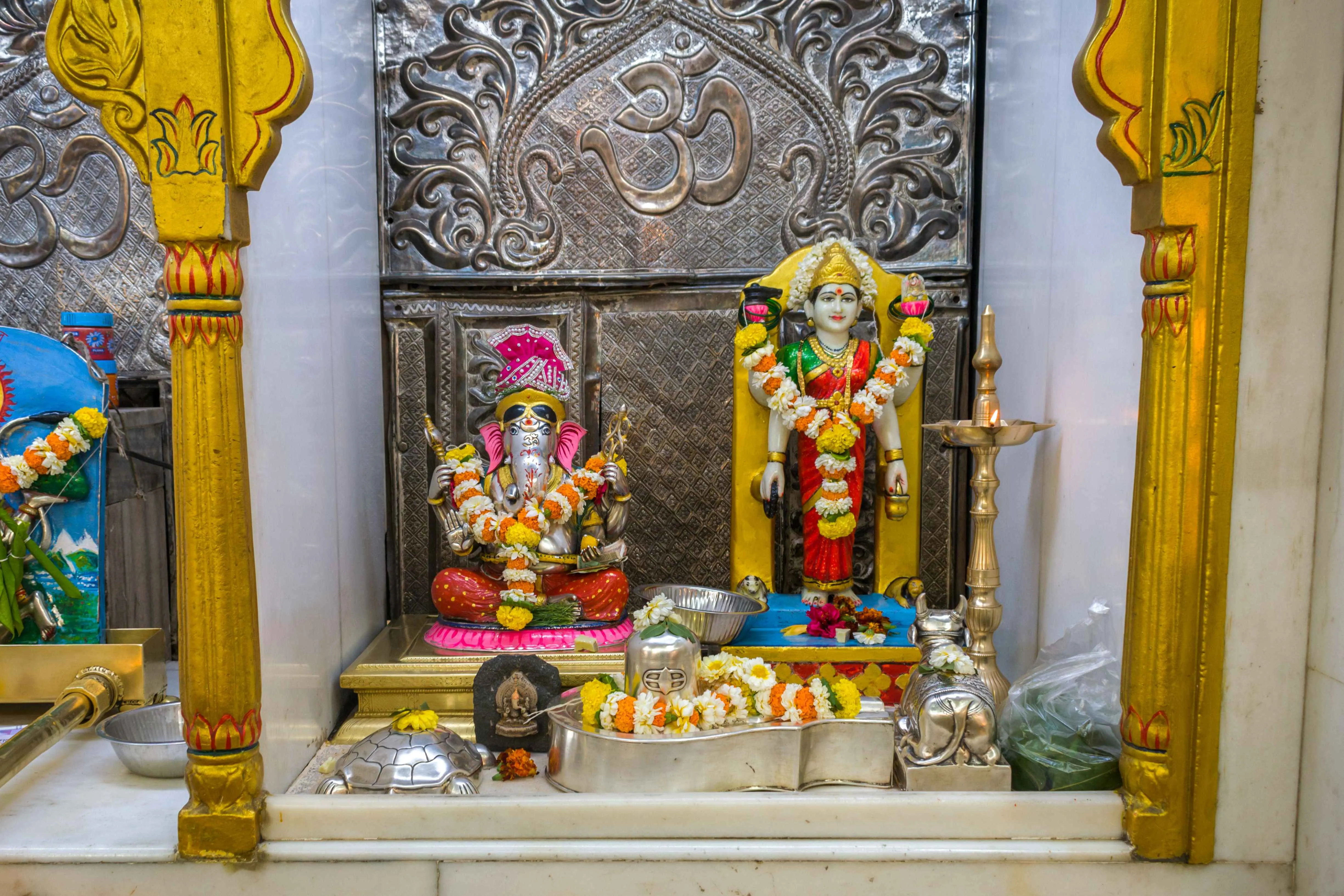
Never place Lord Ganesha on the right side of Goddess Lakshmi (Image: Pexels)
2. Ignoring The Main Entrance
On Diwali, it is believed that during Lakshmi Pujan, Goddess Lakshmi visits clean, bright, and welcoming homes on Amavasya (Diwali night).
If you leave the main entrance dark, untidy or closed during the puja time, Goddess Lakshmi doesn't enter the house.
How To Correct It: Before starting the puja, thoroughly clean the entrance area, decorate it with fresh marigold flowers and hang mango/Ashoka leaves (Toran).
Draw vibrant rangoli at the entrance and light diyas on both sides of the door frame to guide positivity inside.
ALSO READ: Why Do Gujarati Traders Worship Account Books On Diwali? Chopda Puja Explained
3. Avoid Wearing Dark Colours Or Using Iron Or Steel Utensils
Avoid wearing black, dark navy, or dull brown clothes during the ceremony. Similarly, using iron, steel, or plastic for offering prasad or lighting diyas is considered inauspicious.
How To Correct It: Wear vibrant, colourful shades. Choose auspicious colours like red, yellow, orange, or deep pink. Avoid black or dark grey attire completely during spiritual rites.
Use traditional metals made of brass, copper, silver, or traditional earthenware to perform the ritual.
4. Using Cracked, Damaged, Or Reused Clay Idols
Using clay idols from previous years that have chipped paint, cracked or missing parts is considered inauspicious. Also remove dried-up flowers or previous years' puja elements from the altar.
How To Correct It: Bring fresh clay or metal idols for the main Diwali puja. If using metal idols silver, brass, or gold, give them a ritual bath with Panchamrit before the puja.
If a clay idol is broken, do not use it. Instead, respectfully immerse it in running water or soil before the festival.
5. Extinguishing Or Neglecting The Akhand Diya
Lighting the akhand jyot on Diwali holds immense spiritual significance. So, never let it extinguish or blow it out with your mouth, even accidentally.
How To Correct It: Never blow out a sacred Diya. If you must extinguish a candle or lamp flame, use a utensil or flower petal gently.
ALSO READ: Why Is Goddess Kali Worshipped On Diwali Night In Bengal?
Ensure the main Puja Diya (preferably lit with pure Desi Ghee or Sesame/Mustard Oil) has enough wick and oil/ghee to remain lit throughout Diwali night.
Aspect | What To Avoid | What To Do |
Idol Placement | Placing Lord Ganesha to the right of Maa Lakshmi | Place Lord Ganesha to the left of Maa Lakshmi |
Attire And Utensils | Wearing dark/black clothes; using iron/steel | Wear red, yellow, or pink; use brass, silver, or copper |
Main Entrance | Keeping the doorway dark, cluttered, or closed | Keep it illuminated, clean, and decorated with Rangoli/Toran |
Idol Condition | Using cracked, broken, or reused old clay idols | Use pristine idols; immerse (Visarjan) damaged ones respectfully |
Post-Puja Diya | Blowing out the main Akhand Diya or leaving it untended | Keep the main oil/ghee lamp burning all night long |
FAQs
1. What time should Lakshmi Puja be performed on Diwali?
Lakshmi Puja is performed during Pradosh Kaal (the period starting right after sunset), specifically during a favourable Muhurat overlapping with Lagna (such as Vrishabha Lagna). Always check your local Panchang for precise timings.
2. Can we perform Lakshmi Puja without Lord Ganesha?
No. In Hindu tradition, Lord Ganesha must always be invoked first to remove obstacles and ensure the worship yields fruit. Worshipping Lakshmi without Ganesha is considered incomplete.