
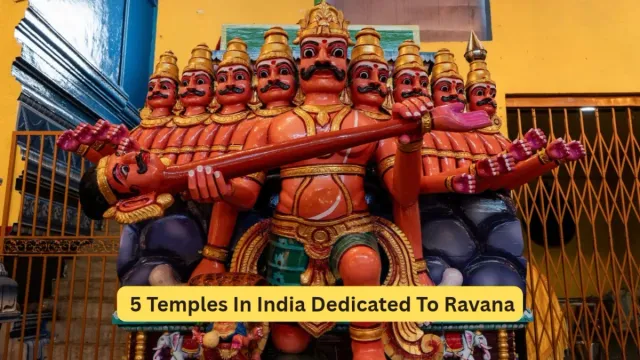
Every year, on Dussehra, millions of Hindus across India burn effigies of Ravana to celebrate the victory of good over evil. To millions, Ravana was the antagonist of the Ramayana; however, for a few, he is not a villain but a great scholar, a king, and one of the greatest devotees of Lord Shiva to ever live.
Here are 5 famous temples in India where Ravana is worshipped.
Temple name | Location | Significance |
Dashanan Temple | Kanpur, Uttar Pradesh | Opens only once a year on Dussehra |
Bisrakh Temple | Greater Noida, Uttar Pradesh | Believed to be Ravana’s actual birthplace |
Mandsaur Temple | Madhya Pradesh | Worshipped as the respected son-in-law of the town |
Ravana Gram Temple | Vidisha, Madhya Pradesh | Home to a 10-foot reclining idol of Ravana |
Baijnath Temple | Kangra, Himachal Pradesh | Revered for his extreme penance (Tapasya) to Lord Shiva |
1. Dashanan Temple — Kanpur, Uttar Pradesh
The Dashanan Temple is a 125-year-old temple that opens its doors only once a year on Dussehra. Located within the Kailash Temple complex in Kanpur, the Dashanan (the ten heads of Ravana) temple was built around 1868.
Unlike other temples that remain open daily, this shrine opens its doors only on the day of Dussehra. In the morning, devotees gather to clean the idol, adorn it with milk and flowers, and perform special aarti.
Locals here worship Ravana for his intelligence, deep knowledge of the Vedas, and grand devotion to Lord Shiva. By evening, the temple doors are locked again for the next 364 days after the festival ends.
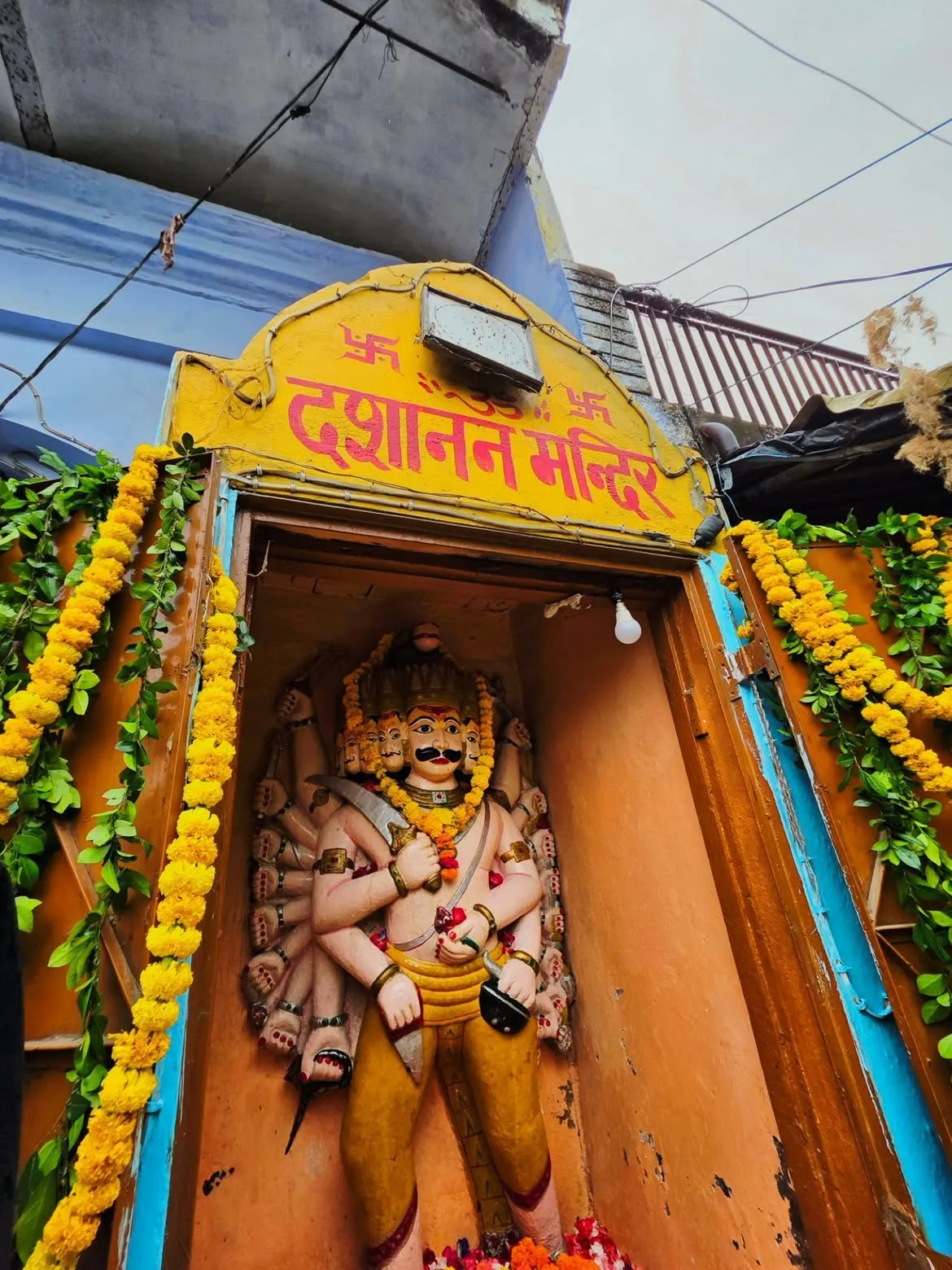
The Dashanan Temple is a 125-year-old temple that opens its doors only once a year on Dussehra (Image: Instagram/therealkanpuriya)
2. Bisrakh Ravana Temple — Greater Noida, Uttar Pradesh
Bisrakh Ravana Temple is believed to be the ancestral birthplace of Ravana. The name Bisrakh comes from Ravana's father, Sage Vishrava. In this village, Dussehra is not celebrated with fireworks or effigies; instead, the people here observe a period of mourning.
Recommended For You
The temple also has a Shivalinga that is claimed to have been installed by Sage Vishrava himself, with idols of Ravana. People living here view Ravana as a son and a tragic hero rather than a villain.
ALSO READ: 5 Things You Should Never Do Inside A Temple, Even By Mistake
3. Mandsaur Ravana Shrine — Madhya Pradesh
At the Mandsaur Ravana Shrine, Ravana is worshipped as a revered son-in-law. Locals believe Ravana’s wife, Mandodari, belonged to this town, which was originally known as Dashpur.
Because of this marital connection, people gave him immense respect, just like a son-in-law.
A massive 35-foot-tall stone statue of Ravana stands in the Khanpur area of Mandsaur. Women in the town traditionally cover their faces when passing the statue as a mark of respect for their elder relative.
4. Ravana Gram, Vidisha — Madhya Pradesh
In Ravana Gram, a reclining 10-foot stone idol of Ravana is worshipped here. Locals believe that Ravana brings protection and prosperity to the village.
That is why, before starting any auspicious work such as buying a new vehicle, starting a business, or getting married, residents visit this shrine to seek Ravana’s blessings.
5. Baijnath Temple — Kangra, Himachal Pradesh
Baijnath is home to one of India's most famous Lord Shiva temples. However, the temple also shares an interesting connection with Ravana. According to mythology, Ravana performed severe penance (Tapasya) here, offering his ten heads one by one to please Shiva.
Moved by his devotion, Lord Shiva bestowed supreme boons upon him. Because Ravana was Lord Shiva’s ardent devotee, people at Baijnath refrain from burning his effigy during Dussehra out of fear of angering or displeasing Lord Shiva.
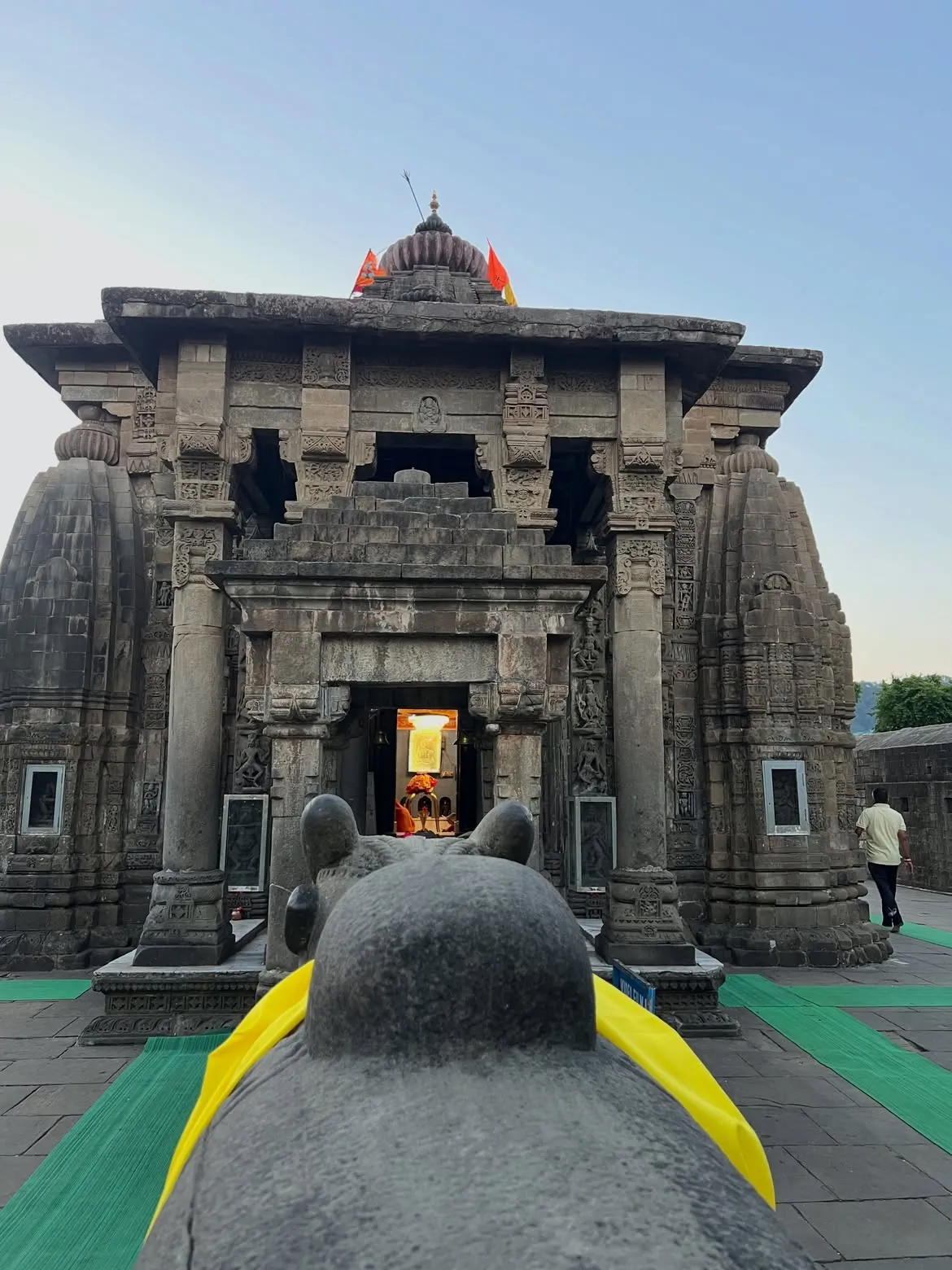
Baijnath is home to one of India's most famous Lord Shiva temples (Image: Instagram/shivbhumibaijnath)
These were the five temples that are most renowned for worshipping Ravana.
FAQs
1. Why is Ravana worshipped in some parts of India?
While Ravana is primarily viewed as a villain for abducting Goddess Sita, he was also a Brahmin scholar, a master of the Vedas, an expert astrologer, and a devout follower of Lord Shiva. Temples dedicated to him celebrate his intellect, wisdom, and devotional power.
2. Is effigy burning banned in Bisrakh?
While there is no legal ban, locals of Bisrakh voluntarily abstain from burning effigies on Dussehra because they consider him a village ancestor.