

You must have often noticed that after offering prayers at a temple or sometimes even before puja begins, the priest ties a red thread around the wrist. This is one of the most common rituals in Hinduism. Both men and women wear this thread. Traditionally, it is tied on the right wrist of men and unmarried women, while it is tied on the left wrist of married women.
The thread is usually made of cotton and is first offered to the deity before being tied around the devotee’s wrist as a sacred blessing.
But have you ever wondered about the spiritual significance of wearing this red thread? Let's understand its meaning in detail.
What Is Red Thread?
In different parts of India, red thread is known by various names, including Mauli, Kalava, Rakshasutra, or Charadu.
The word Mauli comes from a Sanskrit word meaning ‘crown’ or ‘the highest’. In Hindu tradition, Lord Shiva is known as Chandramauli because he has a crescent moon on his matted head.
A traditional Mauli is a combination of red and yellow threads. Both colours carry their own spiritual importance. The red symbolises longevity and protection against evil forces, while yellow signifies joy, happiness and spiritual energy.
ALSO READ: Why Do Hindus Offer First Roti To A Cow? Reason Might Surprise You
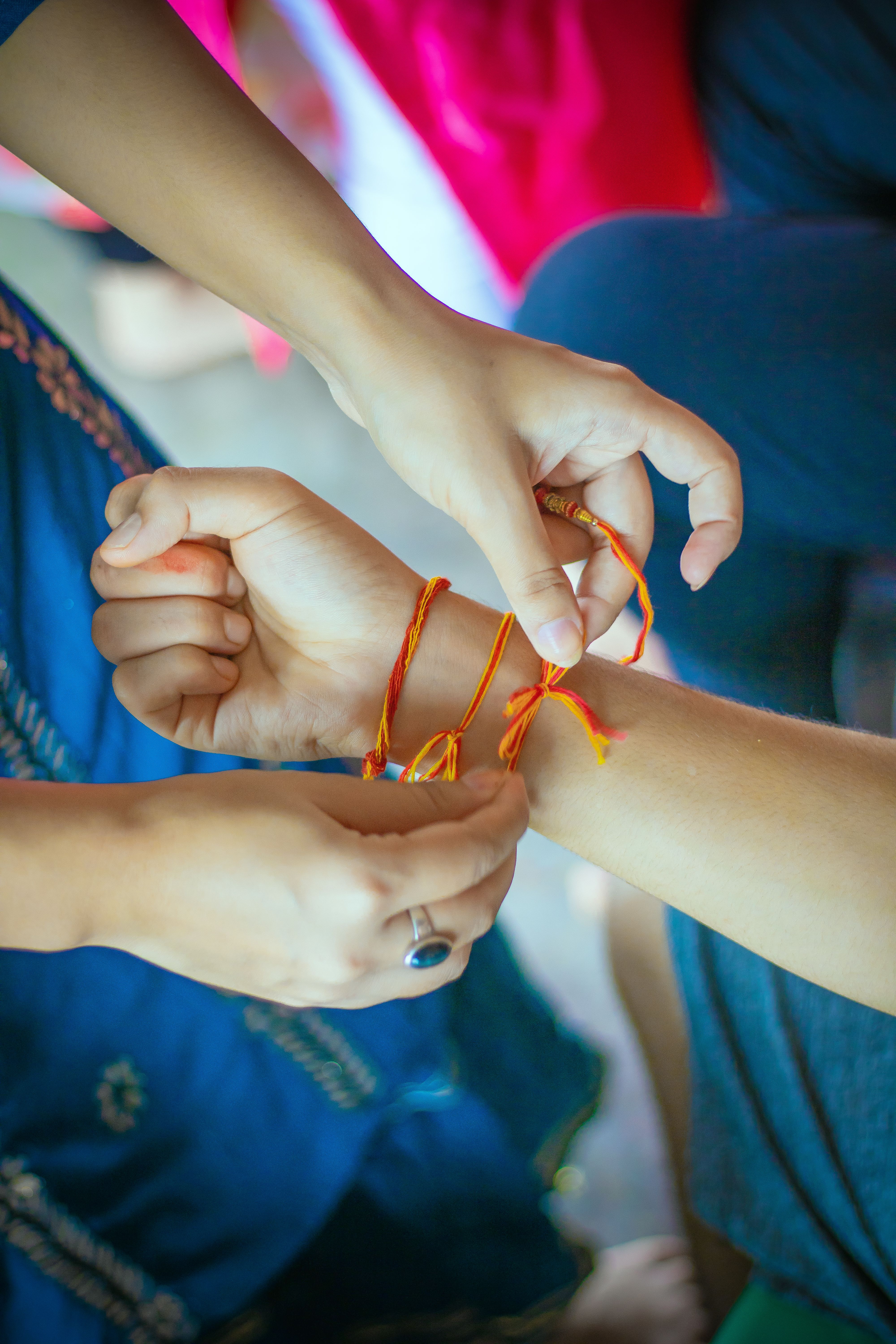
A traditional Mauli is a combination of red and yellow threads (Image: Pexels)
Significance Of Wearing The Red Thread
Mauli or red thread holds deep spiritual and religious significance in Hinduism. It is believed to ward off negative energies, dangers and diseases while inviting divine blessings, positivity and prosperity into life.
Tying the sacred thread has been practised since ancient times. According to one legend, Lord Vishnu in his Vamana avatar tied a thread around King Bali’s wrist while blessing him with immortality.
According to another legend, when Lord Krishna injured his finger, Draupadi tore a piece of her sari and tied it around his finger to stop the bleeding. Touched by her concern and selflessness, Lord Krishna promised to protect her and came to her rescue during one of the most difficult moments of her life.
According to the Atharva Veda, the Mauli is also believed to invoke the blessings of the Tridevas and Tridevis. The Tridevas include Lord Brahma (associated with creation and fame), Lord Vishnu (protection and preservation), and Lord Shiva (transformation and the removal of negativity). The Tridevis include Goddess Lakshmi (wealth and prosperity), Goddess Saraswati (knowledge and wisdom), and Goddess Durga (strength and protection from obstacles).
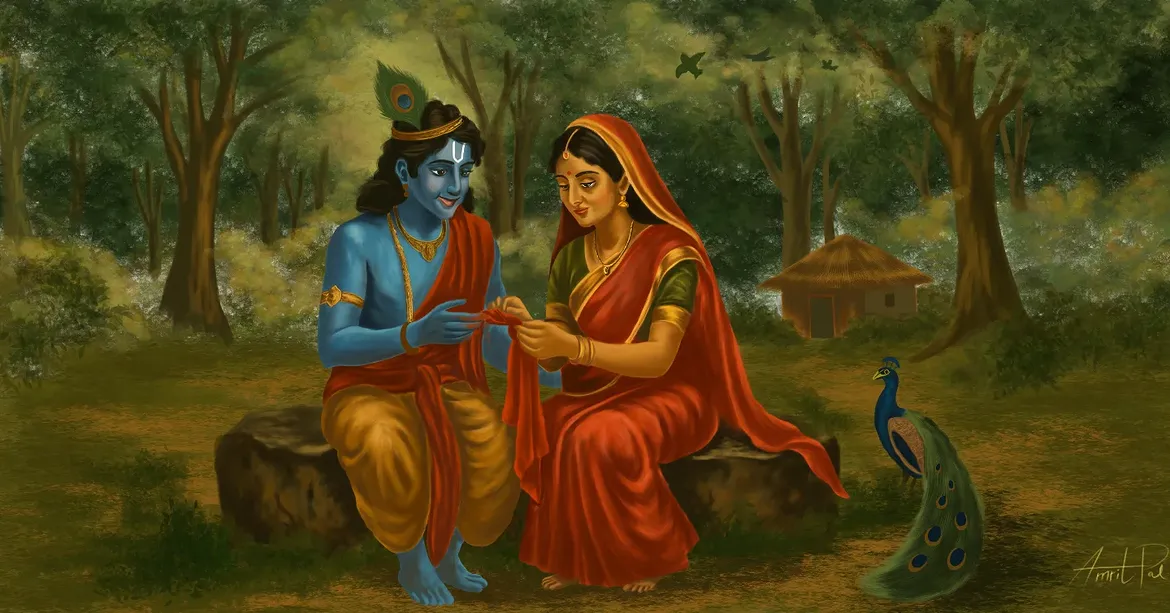
When Lord Krishna injured his finger, Draupadi tore a piece of her sari and tied it around his finger (Image: Instagram/amritpal0303)
Ayurvedic Perspective Of Tying The Red Thread
According to Ayurveda, the human body is governed by three doshas, veda, pitta and kapha, which regulate different physiological functions and are associated with the elements of air, fire and water, respectively. The instability in these doshas can harm our body. Maintaining a balance among these doshas is considered essential for overall well-being.
According to traditional beliefs, tying a Mauli around the wrist can help to maintain this balance. Some also believe that the gentle pressure created by the thread on the wrist may support overall well-being.
ALSO READ: Why Is Same Gotra Marriage Prohibited In Hinduism? The Real Reason Explained
Whether viewed as a symbol of faith, protection or devotion, the red thread continues to hold an important place in Hindu tradition.