

- By Anushka Shalya
- Mon, 14 Sep 2026 03:13 PM (IST)
- Source:JND
Located in Kolkata's Tangra (Chinatown), the Chinese Kali Temple is popular among the devotees for its unique offerings. Unlike many other Goddess Kali temples that traditionally offer hibiscus, sweets, and fruits to devotees, this temple offers Chinese dishes like noodles, fried rice, and momos as prasad (sacred food offering).
This ritual has been practised for generations. Although it may seem unusual and interesting, it holds immense spiritual importance and also reflects cultural harmony.
Let's understand in detail how this offering came into existence and why it is still being practised.
The Origin Story: How A Miracle Started A Unique Tradition
According to various reports, the temple came into existence in the 19th and 20th centuries when Tangra was largely occupied by Chinese immigrants who moved to Kolkata. During this period, a 10-year-old Chinese boy fell severely ill and medical treatments had given up hope on him.
His family was devastated, and though they did not practice Hinduism, they sought comfort under a local tree where two tall, black stones were worshipped as Goddess Kali. They prayed desperately for their child's recovery and, miraculously, the boy healed.
To express their gratitude, the parents, along with the local Chinese-Indian community, constructed a permanent temple on the spot. After this, the temple started holding its own unique significance in the hearts of both the Chinese and Indian communities. It stands as a symbol of cultural harmony, and it shows a unique blend of gratitude and faith.
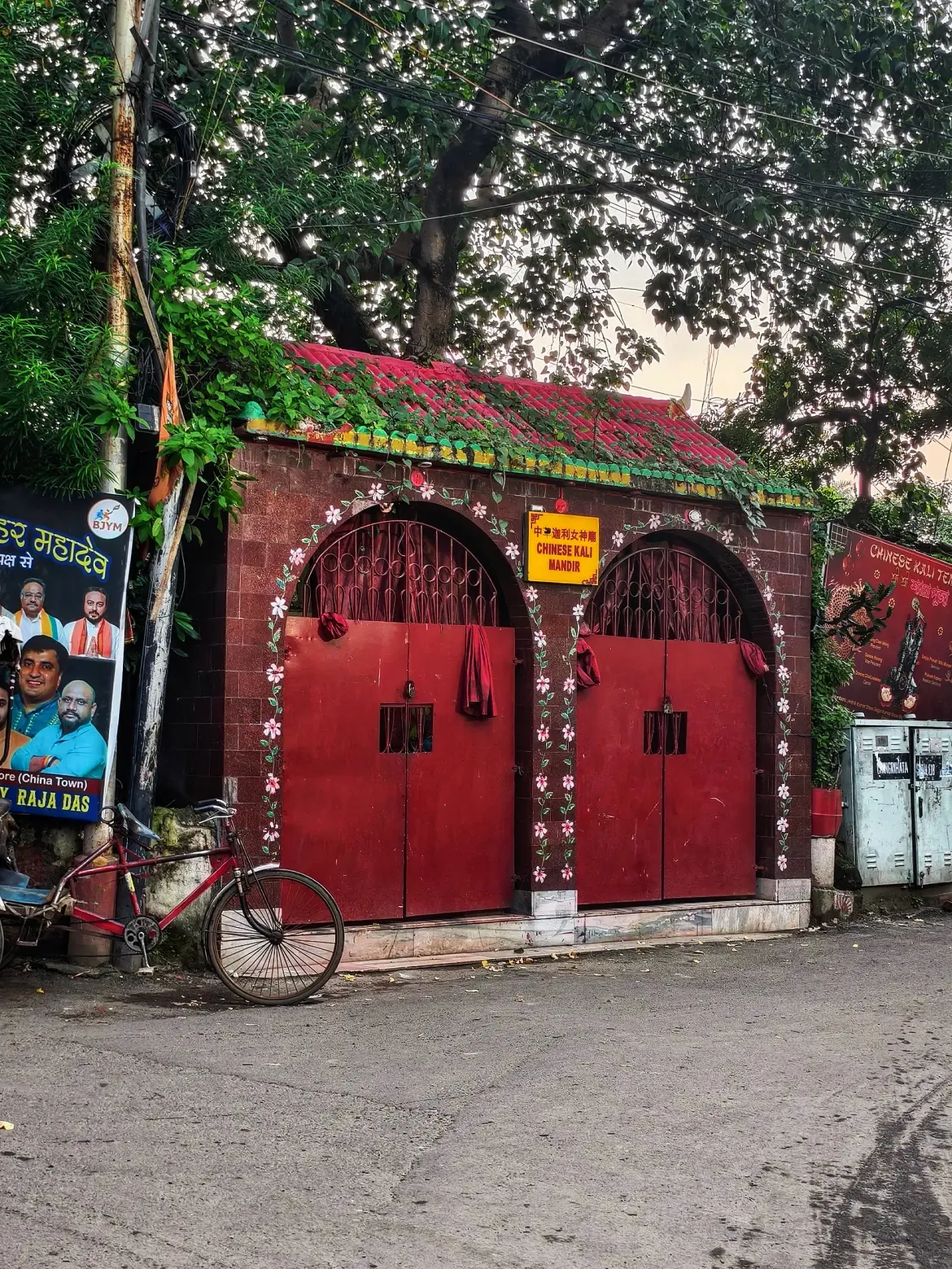
The Chinese Kali Temple stands as a symbol of cultural harmony (Image: Instagram/nainaofftherecord)
Why Kolkata’s Chinese Kali Temple Offers Noodles and Fried Rice as Bhog?
Unlike many other temples of Goddess Kali, this Chinese Kali Temple offers bowls of steaming stir-fried noodles, crispy chop suey, momos and fried rice as prasad (holy offering) to reflect cultural harmony between the local Chinese immigrant community and traditional Bengali Hindu worshipers.
While the bhog may sound casual, the food served here follows rigorous ritual purity. All offerings are 100% vegetarian (no meat, fish, or eggs) and prepared without onion or garlic, adhering to traditional Hindu sattvic requirements while maintaining the essence of Chinese culinary heritage.
ALSO READ: Neem Karoli Baba: 5 Reasons Kainchi Dham Is Considered A Sacred Spiritual Place
How Is Puja Performed In This Temple?
In this temple, priests and caretakers are often local Chinese-Indians who wear traditional attire. During puja, Hindu priests chant mantras while burning Chinese paper incense to ward off evil spirits. After puja is performed, momos, fried rice and noodles are offered as prasad to a queue of diverse devotees.
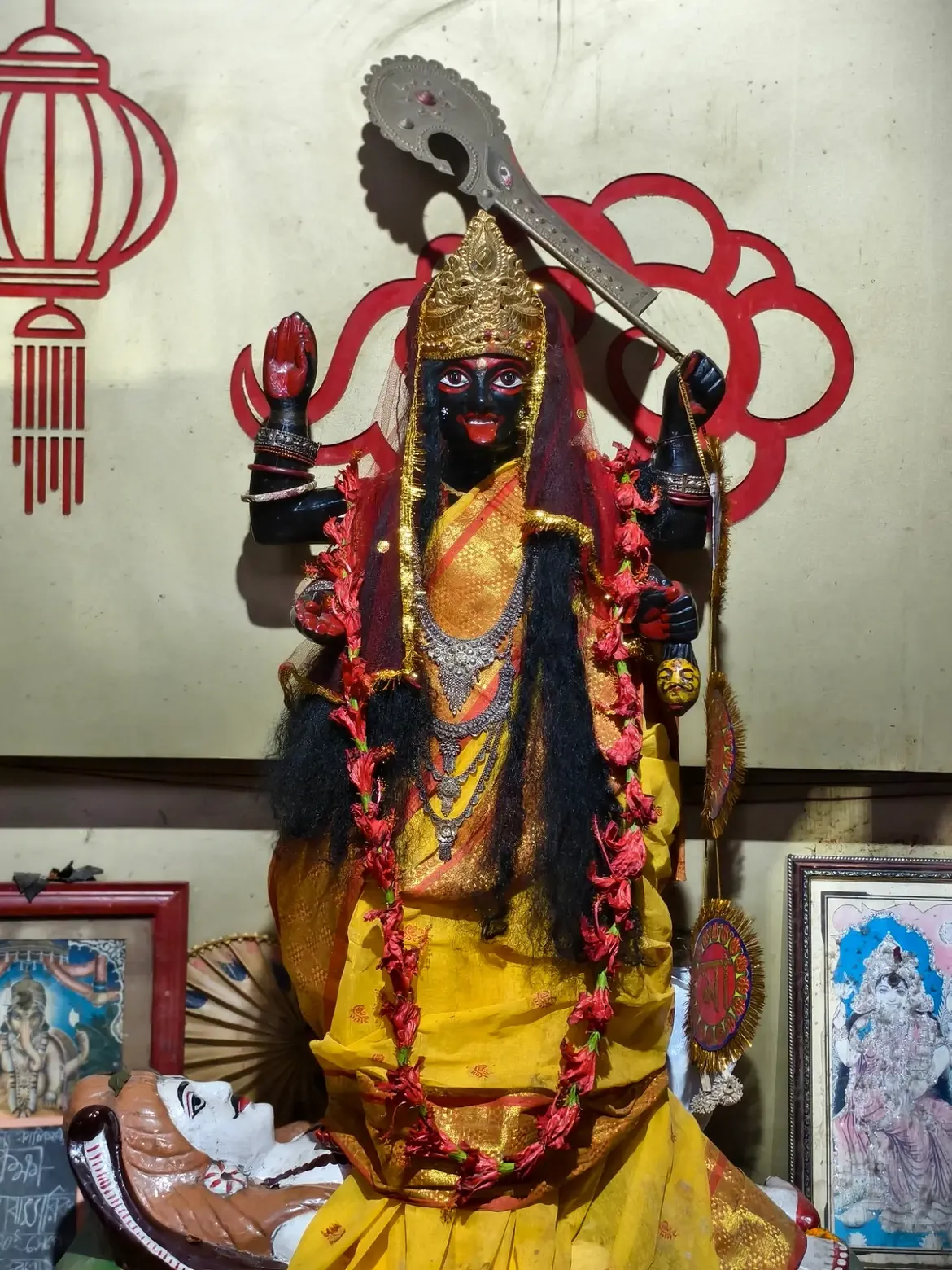
In this temple, priests and caretakers are often local Chinese-Indians who wear traditional attire (Image: Pexels)
ALSO READ: Badrinath Dham Legend: Why Lord Vishnu Chose It As His Abode And Goddess Lakshmi’s Connection
What do you think about this unique offering?
FAQs
1. Is the Chinese Kali Temple an officially recognised Hindu temple?
Yes, the temple is maintained and revered by the local Chinese community, highlighting its acceptance and integration within Kolkata's diverse religious landscape.
2. Are the noodle and fried rice offerings consumed by devotees?
The offerings are indeed consumed by devotees as prasad, symbolising blessings and community.