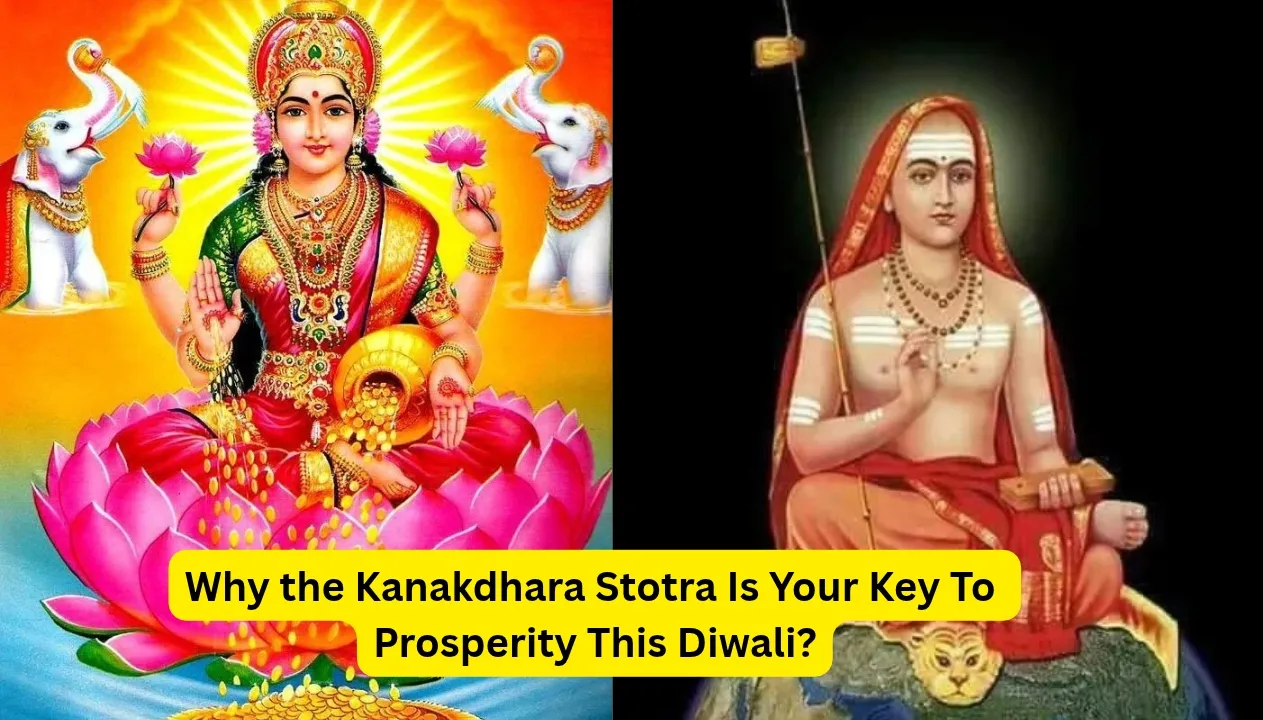
Kanakadhara Stotram is one of the most revered Sanskrit hymn that invokes the blessings of Goddess Lakshmi, the embodiment of wealth and prosperity.
This sacred stotram is composed by Adi Shankaracharya and is believed to have the power to attract wealth, prosperity and good fortune.
Kanakadhara means ‘stream’ of ‘gold’ (kanaka). It consists of 21 stanzas praising Goddess Lakshmi.
Let's understand its origin, how it is related to Goddess Lakshmi and why one should recite it on Diwali.
The Story Behind Kanakdhara Stotra
According to legend, in the 8th century CE, a young Adi Shankaracharya went out to collect Bhiksha as a young Brahmachari. He stopped at a home where a woman had nothing edible.
Not to disappoint the holy boy, she desperately searched her empty kitchen and found a single, dried amla (gooseberry) fruit. Reluctantly, with tears in her eyes, she offered him that fruit.
Moved by her selfless act, Shankaracharya composed a hymn dedicated to Goddess Lakshmi on the spot. Pleased by the boy's devotion and the woman’s pure intent, Goddess Lakshmi showered the woman's home with solid gold amlas.
This hymn, composed by Adi Shankracharya, became the Kanakdhara Stotra, which translates to The Stream of Gold.
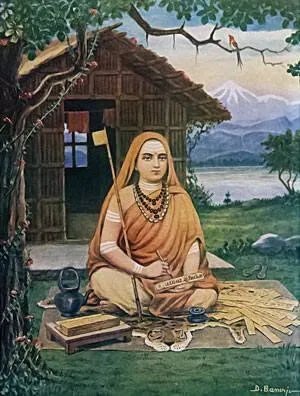
This sacred stotram is composed by Adi Shankaracharya (Image: Facebook/jagadguruadishankracharya)
ALSO READ: Diwali 2026 Calendar: Check All 5 Festival Dates, From Dhanteras To Bhai Dooj
Why Recite It Specifically on Diwali 2026?
Diwali is celebrated on the night of Amavasya, when complete darkness prevails. It is a night when spiritual energies are believed to be heightened. Chanting powerful mantras on this day is believed to have a significant impact. Reciting Kanakdhara Stotra on this Diwali:
- Dissolve financial blockages and past bad karma.
- The verses not only invoke Goddess Lakshmi blessings for money but also honour the bond in her relationship with Lord Vishnu. In Vedic philosophy, wealth (Lakshmi) leaves the place where righteousness (Vishnu) is absent. The Stotra honours both, making the wealth gained sustainable and ethical.
- Every verse of the Kanakdhara Stotra carries spiritual energy that increases focus, calms the nervous system, and aligns internal energy centres with the frequency of abundance.
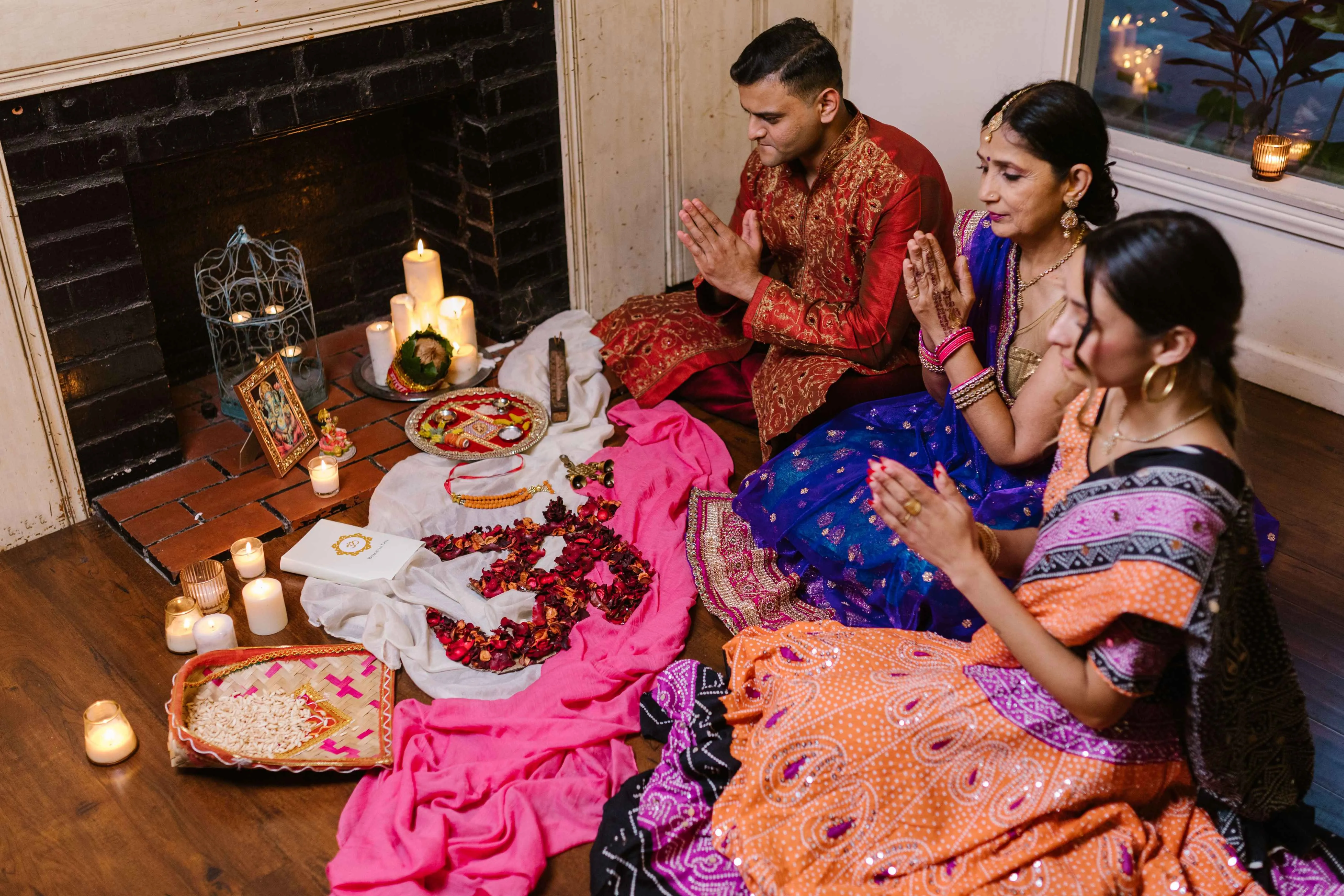
Every verse of the Kanakdhara Stotra carries spiritual energy that increases focus, calms the nervous system (Image: Pexels)
How To Recite The Kanakdhara Stotra On Diwali Night
For maximum spiritual benefit during Diwali 2026 rituals, keep these few things in mind and follow these steps:
1. Recite the hymn during the Lakshmi Puja Pradosh Kaal or Nishita Kaal muhurat on Diwali night.
2. First, clean your space, light a ghee lamp in front of a Goddess Lakshmi idol or picture, and place a fresh amla fruit or golden coin as an offering.
3. Always chant the hymn with a pure intent because wealth comes when the person follows the path of righteousness.
4. Always chant the mantra with proper pronunciation because only then will it be able to yield maximum spiritual benefit.
Recommended For You
ALSO READ: Chhath Puja 2026 Date: When Is Nahaye Khaye, Kharna, Sandhya Arghya and Usha Arghya?
Kanakadhara Strotram offers a profound path to both material and spiritual abundance. Chanting this hymn on Diwali not only invokes Goddess Lakshmi blessings but also helps the devotee cultivate a deeper sense of devotion, surrender, and gratitude.
FAQs
1. Can anyone recite the Kanakdhara Stotra, or are there specific requirements?
Yes, anyone can recite the Kanakdhara Stotra. The only requirement is to sing the hymn with pure intent, devotion (bhakti) and correct pronunciation.
2. What are the specific benefits of reciting Kanakdhara Stotra during Diwali?
Reciting Kanakdhara Stotra during Diwali is believed to invoke Goddess Lakshmi's blessings for wealth, prosperity, abundance, removal of financial obstacles, and fostering a sense of contentment and devotion.
3. How does Kanakdhara Stotra differ from other Lakshmi Stotras?
The main focus of Kanakdhara Stotra is it focus on alleviating poverty and granting material and spiritual riches through unwavering faith.