

Namaste Significance: In India, many Hindus, while visiting a temple, meeting an elderly person, or showing someone respect, immediately fold their hands in the gesture of Namaste instead of shaking hands. Namaste in Hindu culture and philosophy carries a profound spiritual sentiment, often interpreted as, "The divine light in me honours the divine light in you."
Namaste is a deeply meaningful Sanskrit greeting that literally translates to "I bow to you," derived from the roots "namas" (to bow or salute) and "te" (to you). In India, Namaste is commonly practised among Hindus, symbolising respect, humility and recognition of divine presence in every being. Today, across many countries, namaste has become popular through yoga or meditation. This gesture is taken as an act of devotion and respect.
What Is The Spirtual Significance Of Namaste?
The spiritual significance of namaste goes beyond any mandatory gesture. It's like a spiritual declaration that says there is a divine spark in everyone, and by bowing in front of you, I am honouring that. This gesture promotes a sense of unity and interconnectedness among all individuals.
The spiritual significance not only includes a sense of unity but also signifies surrender, as Nama, meaning not mine, symbolises humility, compassion and respect.
Recommended For You
According to yogic philosophy, the body has two major energy channels called Ida Nadi (left) and Pingala Nadi (right). It is believed that by doing namaste, these energy channels come into balance, enhancing inner harmony and spirituality. Greeting someone not only increases intimacy but also strengthens relationships.
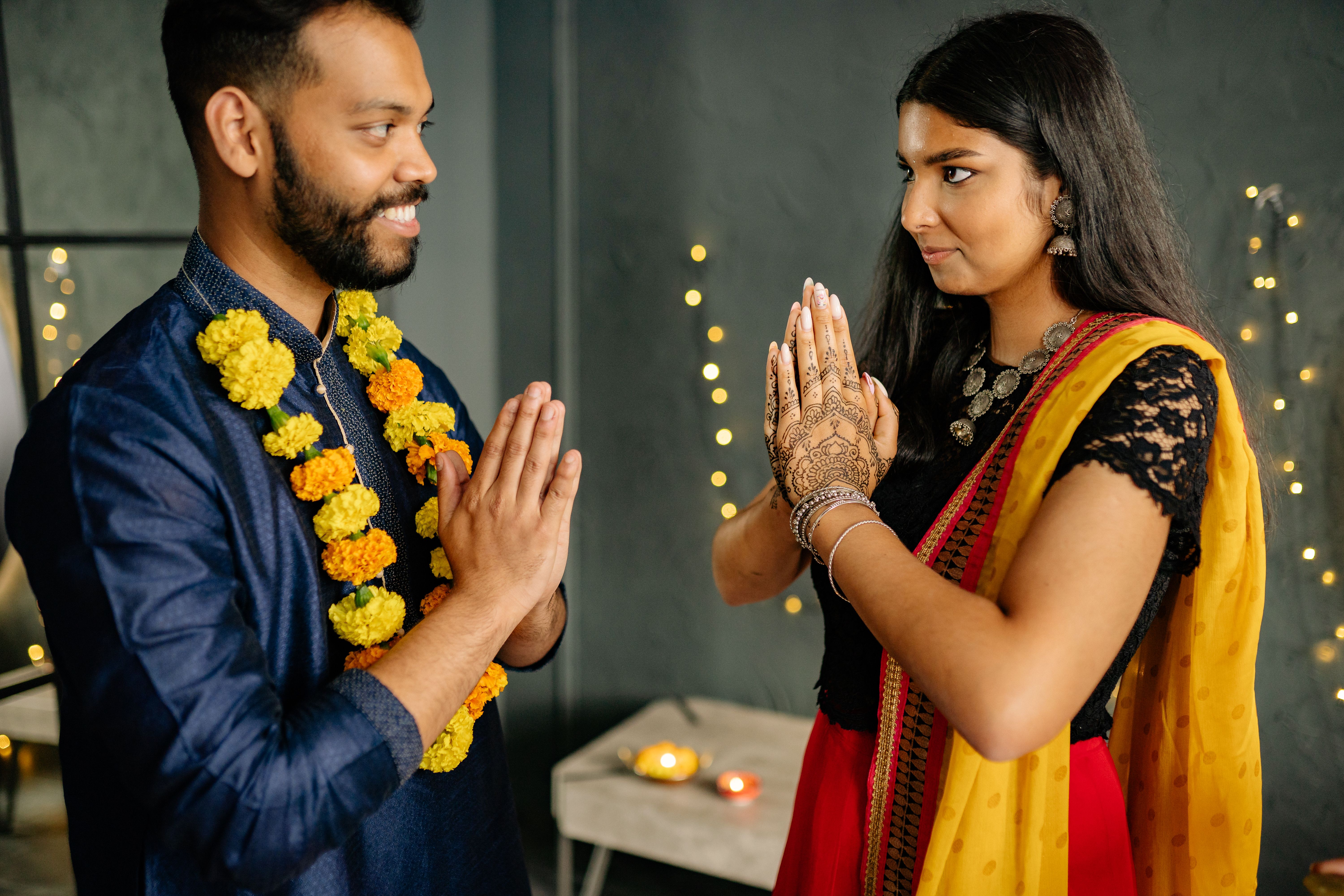
The spiritual significance not only includes a sense of unity but also signifies surrender (Image: Pexels)
ALSO READ: Why Women Should Not Wash Their Hair On Thursdays? Know Best Days To Wash Hair For Good Luck
Scientific Importance Of Namaste
There is also scientific and psychological significance behind doing Namaste with folded hands. According to yogic and spiritual beliefs, by folding our hands, we activate the Heart Chakra and Ajna Chakra, due to which a person experiences inner peace and positivity inside their body. When a person does namaste, it is also believed to bring mindfulness to the body, which helps in achieving mental clarity and increasing concentration. It is believed that Namaskar Mudra or Anjali Mudra also helps in reducing anger, due to which the person's nature becomes more humble.
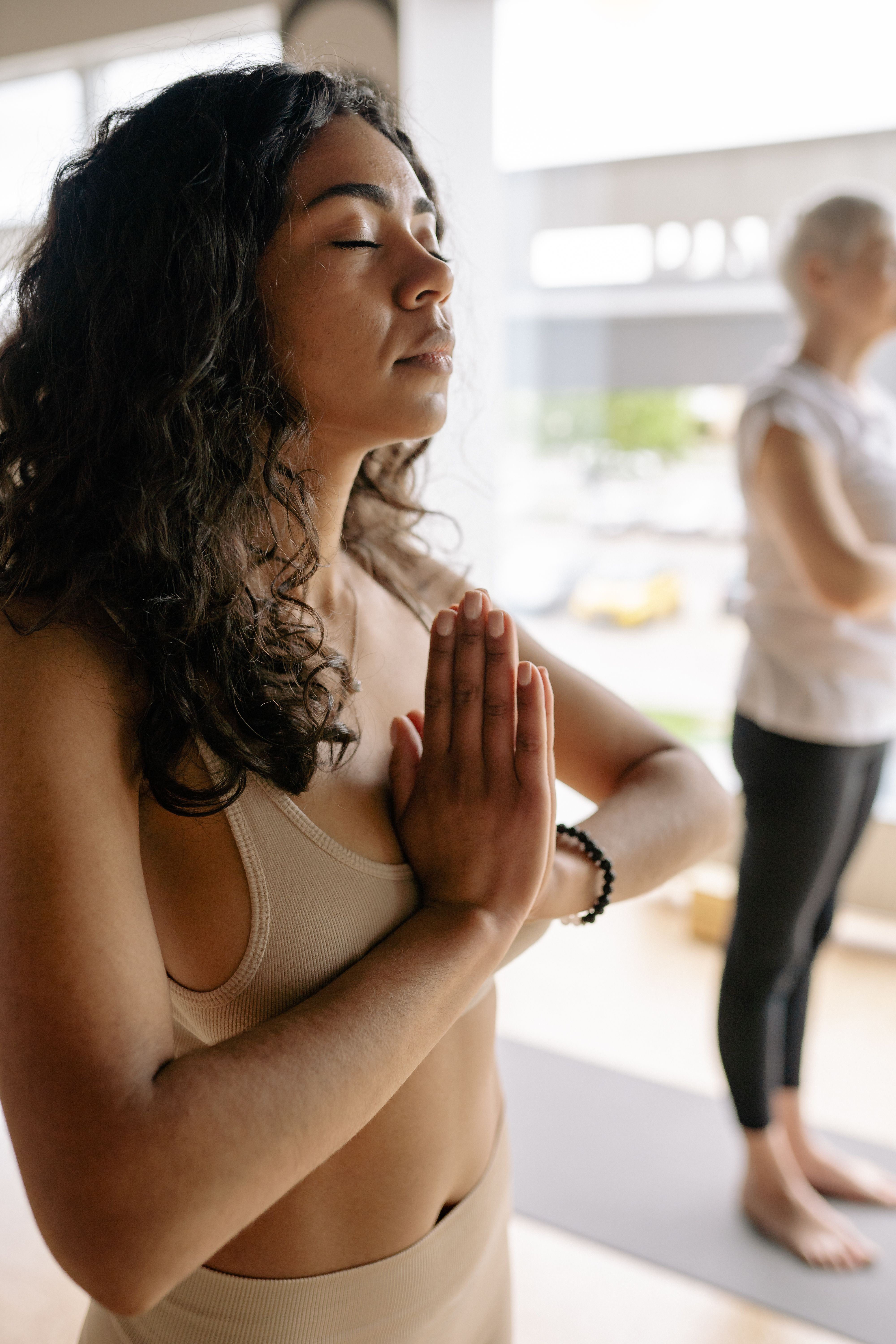
According to yogic and spiritual beliefs, by folding our hands, we activate the Heart Chakra and Ajna Chakra (Image: Pexels)
Psychological And Mindfulness Impact Of Namaste
When we do Namaste to greet someone, our well-being and mindfulness are also impacted. When one performs this act, the mind becomes more aware of the surroundings, and attention naturally shifts towards the other person. This mindful act allows a person to take a moment to pause and understand their surroundings, thus creating mental clarity and reducing stress.
ALSO READ: Why Do We Break Coconuts Before New Beginnings? Know Spiritual Significance In Hindu Rituals
In today's time, Namaste has become quite popular. After the pandemic, global leaders, celebrities and businessmen have found their place in their hearts. Namaste has transcended its origin to become a unifying symbol of global understanding. Namaste is more than a polite greeting, but it is also a spiritual act of humility, recognising that everyone around us carries an essence of the divine, which we are honouring and recognising.