

- By Anushka Shalya
- Wed, 16 Sep 2026 11:40 AM (IST)
- Source:JND
Kalash is considered an important part of every Hindu ritual, puja or ceremony for centuries. As per the Rig Veda, the Kalash represents abundance and the life source, and according to Vedic traditions, the Kalash represents the 'Pancha Mahabhoota' or the five elements that constitute the universe.
Let's understand in detail why the Kalash holds immense significance in Hindu puja and the science behind it.
What Is Kalash And What Does It Represent?
Kalash is a sacred metal or clay pot filled with water and topped with mango leaves and a coconut. It is decorated with a red thread (Kalawa), kumkum, turmeric and auspicious symbols like Om or Swastika are drawn on it.
According to ancient scriptures, the Vedas, specifically the Rigveda and the Atharvaveda and various Puranas, the Kalash represent the entire universe, the blessings of the divine and is a symbol of prosperity.
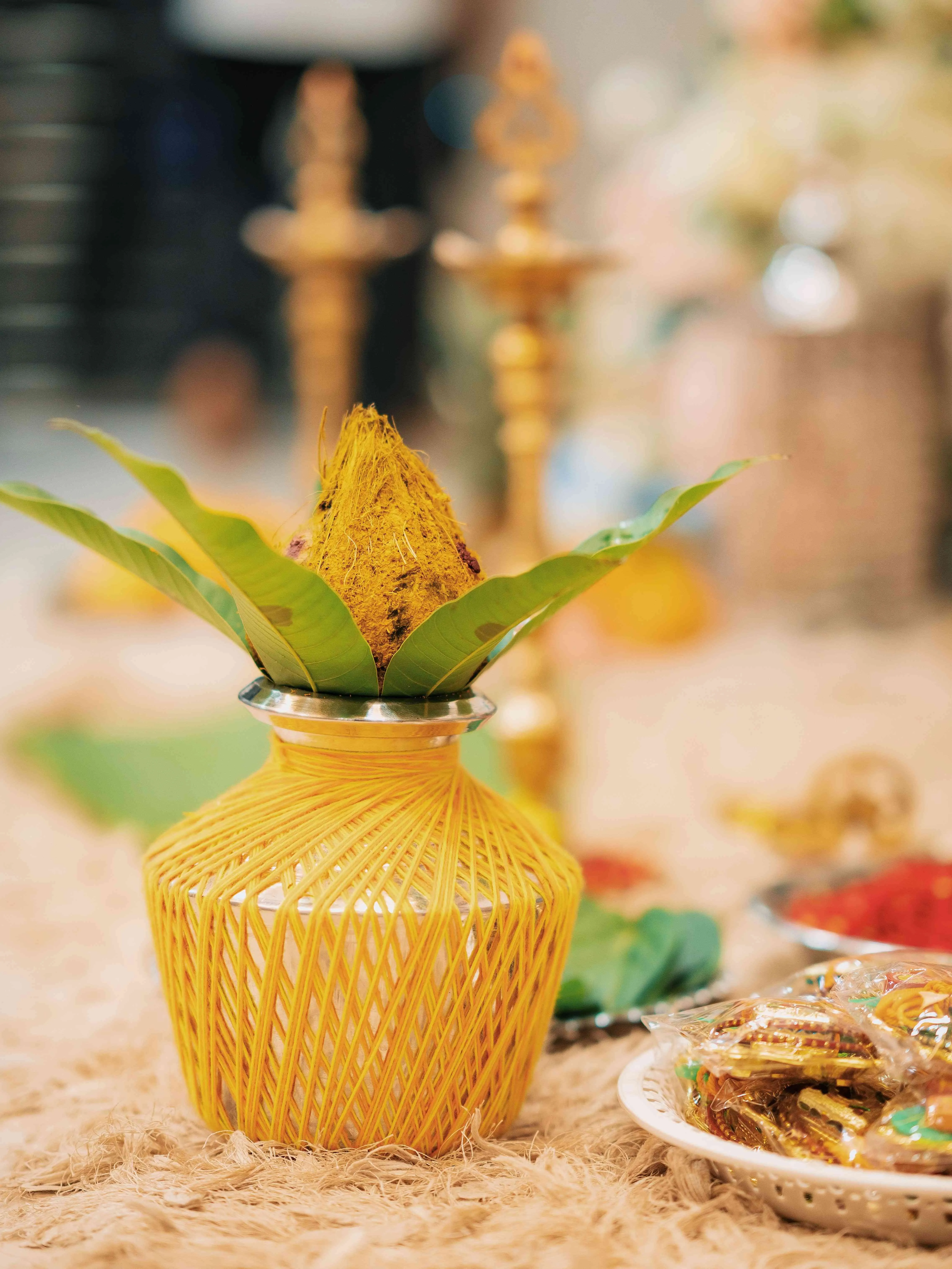
Kalash is a sacred metal or clay pot filled with water and topped with mango leaves and a coconut (Image: Pexels)
The Anatomy of the Kalash: What Every Symbol Represents (Table)
| Element | Symbolism |
| Water | The Universe, Purification, Healing |
| Mango Leaves | Life, Five Elements, Growth |
| Coconut | Divine Consciousness, Selflessness, Purity |
| Red Thread | Protection and commitment |
| Kumkum | Feminine energy |
ALSO READ: Navigating Office Politics: 5 Astrology-Inspired Mindfulness Rituals for a Balanced Workday.
Religious Significance Of Kalash
Kalash holds immense religious significance in Hindu Puja. As per the Skanda Purana, gods obtained it while churning the ocean. When the Kalash is filled with water or rice, it is known as Purna Kumba.
The water inside the kalash represents creation and healing; the mango leaves represent growth and vitality, while the coconut represents divine consciousness. Together, these elements create a powerful spiritual energy.
When placed during any puja, it acts as a spiritual focus. It reminds devotees to pause, gather their thoughts, and begin their prayers with calmness and devotion. This quiet beginning sets the tone for a meaningful and spiritually uplifting ritual.
Scientific Perspective: Why Kalash Is Placed in Hindu Puja
- The water inside controls the humidity and surrounds the area with fresh energy.
- Mango leaves release natural compounds, creating a peaceful, fresh and pure environment in traditional Indian households.
- Many Indian households use a copper kalash because it has antibacterial properties that destroy harmful bacteria, fungi and microorganisms in the water.
Proper Placement & Maintenance: How to Set Up Your Kalash
If you have a Kalash at home, place it in the right direction. The ideal direction is the northeast of your home or puja space because it contains a lot of spiritual energy and is associated with gods and goddesses. Here are a few things you also need to keep in mind:
1. Before using a Kalash for puja rituals, clean it thoroughly.
2. Fill it with clean and fresh water.
3. Add a few rice grains or turmeric to it. Some people also place a coin in it.
4. Add five mango leaves evenly around the opening.
5. Place the coconut with its pointed end upward.
6. Decorate the kalash with kumkum, sandalwood paste, and you can even draw sacred symbols like Om or Swastika to increase its auspiciousness.
7. Then place it before the main deity in the mandir.
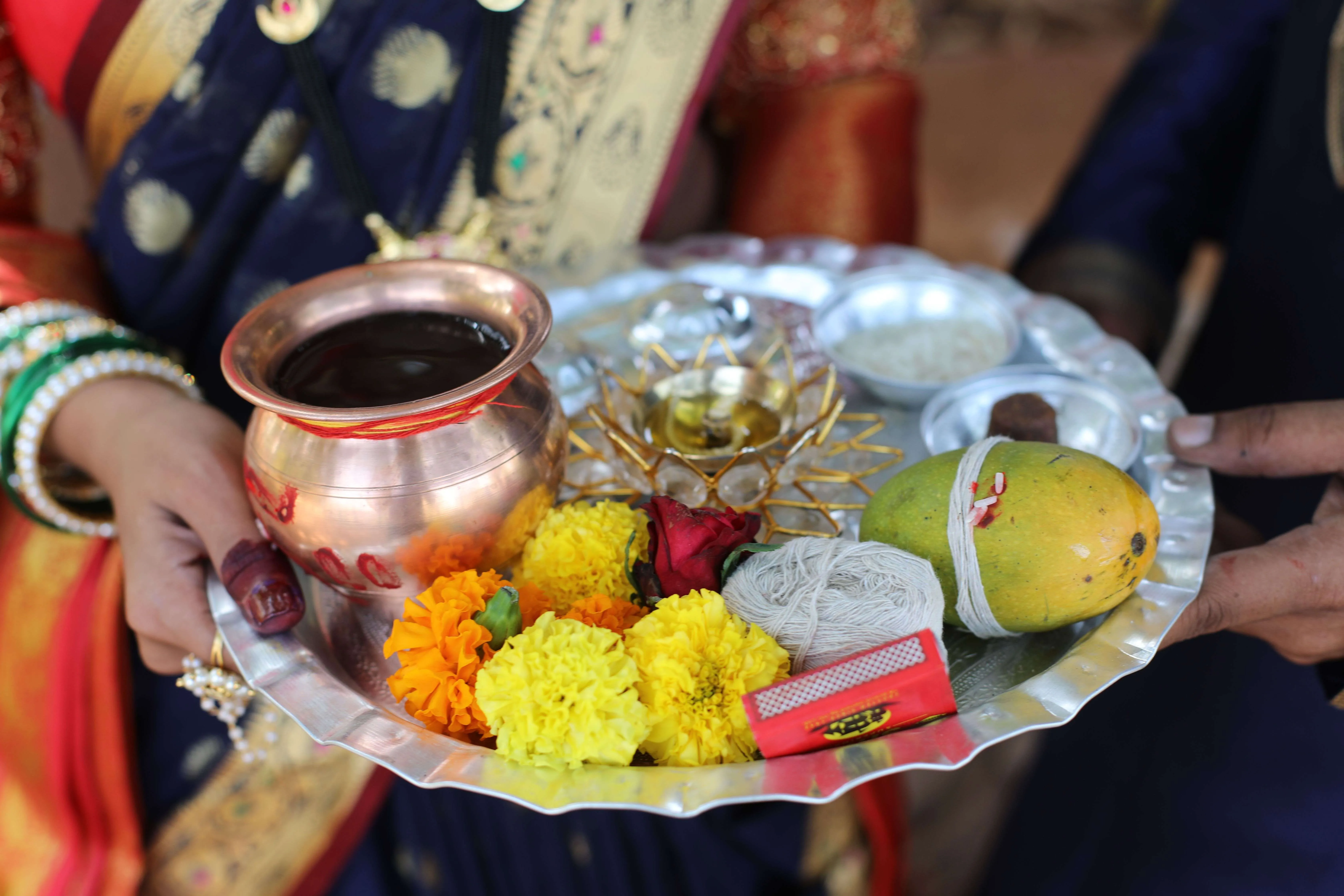
If you have a Kalash at home, place it in the right direction (Image: pexels)
ALSO READ: 6 Powerful Ramcharitmanas Quotes With Meanings That Offer Life Lessons, Wisdom And Inner Peace
Kalash may seem an ordinary element in puja rituals, but it possesses spiritual energy which can invoke the blessings of the divine. Keeping it in a home mandir or using it in puja rituals or ceremonies brings peace, positivity and blessings.
FAQs
1. What are the specific items placed inside a Kalash and why?
Water, mango leaves, coconut, coins, and grains are placed inside a Kalash, and each represents cosmic elements, prosperity, or divine blessings.
2. How does the Kalash connect to the concept of creation in Hinduism?
It symbolises the universe, fertility, the womb of creation, and the source of all life and sustenance.