
- By Prateek Levi
- Sun, 21 Dec 2025 09:25 PM (IST)
- Source:JND
Apple has secretly closed off one of the most significant backdoors that iPhone owners have used for several years. With the new iOS 26 upgrade, there is no going back.
The company has stopped issuing iOS 18.6.2, which in turn prevents the users of their iPhones from downgrading. It's not a mere delay or a technological glitch in the system. When a company, in this case, Apple, stops the signing of the iOS, it means that the devices are not able to install it even if the file is present.
ALSO READ: Doomscrolling Explained: Why Endless Scrolling Feels Exhausting And How To Break The Habit
What makes this movement more sensational is the fact that it seems to specifically target iPhones. iPads, at least for the time being, are not subjected to this limitation. This means that Apple wants to implement a targeted strategy, which aims to strengthen control over the iPhone ecosystem but not the iPads.
What is actually changing
A server-side verification system is employed by Apple to verify the iOS version to be installed. As soon as an iOS version is no longer signed, installations by iPhones in the modes of update, restoration, and recovery won’t be possible. As soon as iOS 18.6.2 is no longer signed, users who have updated their operating system to iOS 26 cannot switch back.
Even a factory reset would not be of any use. Resetting an iPhone as of now comes with iOS 26. The usual fallback option many users have always depended on in cases where updates introduced glitches or incompatibilities in apps would now seem null.
Some users have also reported an observed change in the manner of offering updates. iPhones running iOS 18 are reported to be shown only iOS 26.2 as an option for an update, bypassing the typical approach of being on an outdated major version with security fixes. This represents an evident shift in the update policy of Apple.
Why is Apple doing this?
Four reasons
For Apple, the priority is always security—and by making downgrades possible, the company ensures that the use of outdated versions of any given software will continue to be widespread. For Apple, the risk of all of these devices operating with outdated software is a threat to users and the entire ecosystem.
However, there are some operational advantages too. By nudging users into upgrading to the newest iOS, Apple makes tech developments, testing, and support easier. This is because software engineers are no longer required to contend with a significant number of users on older software versions.
However, the flip side is very clear. User choice suffers. If iOS 26 causes problems of either performance or app compatibility, the user does not now have the choice to fall back on a stable release that they like.
Living with iOS 26
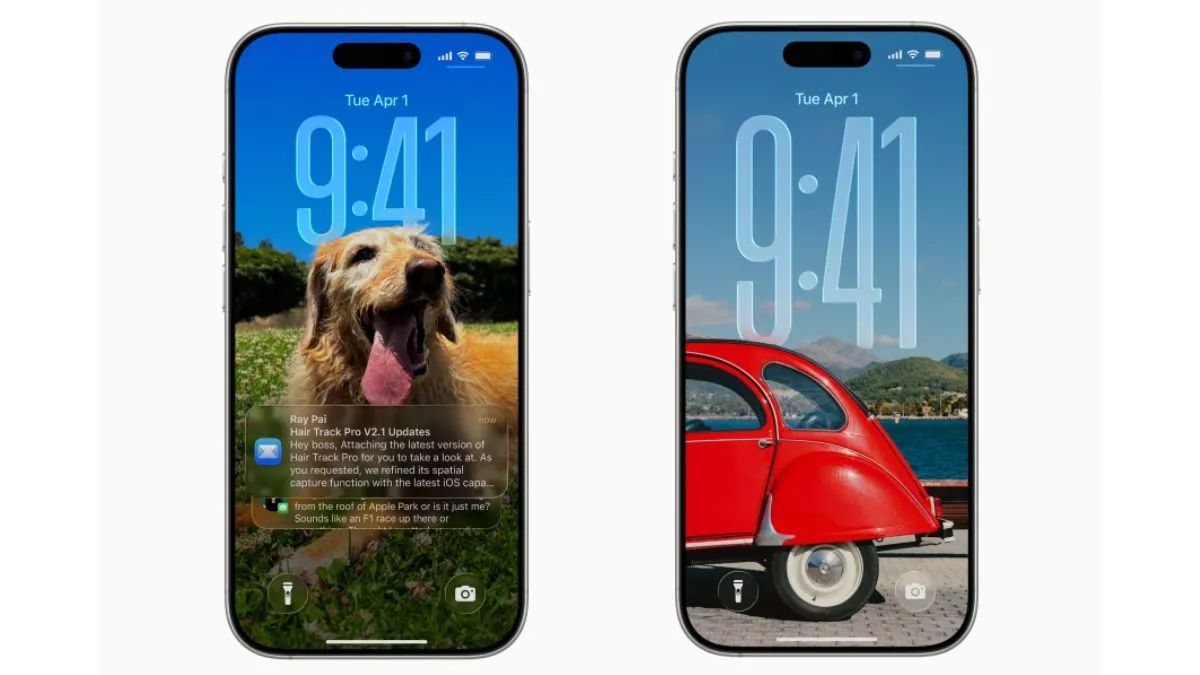
Now that downgrading has been ruled out, it looks as if Apple is concentrating on optimising iOS 26 itself. The latest update for iOS 26, which is version 26.1, has upgraded features, including better FaceTime quality, extended support for live translations, and alterations to the "Liquid Glass" design, which has been widely condemned.
Users can now diminish the strength of glass-style visual effects for easier readability, while Apple introduces a set of features for turning off certain gestures, a functionality sought by users who were frustrated with what Apple released initially. This seems like a trend where Apple intends to update instead of turning back.
What Should The Users Do Now?
For those still running iOS 18, an update matters even more now. An update will fully embrace iOS 26, while holding back will mean forgoing security updates and application support at some point. In the future, upgrading to a major version of iOS directly should be a permanent transition, not a reversible experiment.
Creating a backup of your data, waiting for initial feedback from users, and verifying app compatibility are no longer optional steps when upgrading to a newer version of iOS. Apple's new approach implies once you upgrade, you cannot go back.