
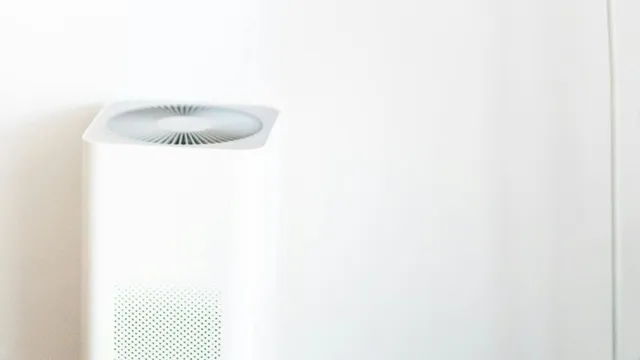
India's increasing pollution level has driven many households to seek ways to keep their indoor spaces healthier. With smog, dust, and allergens becoming a daily concern, air purifiers have moved from a niche appliance to an essential device in homes in no time. But the rush of choices suddenly available has also created confusion. Choosing the right purifier is less about the brand name and more about understanding which features really make a difference in indoor air. Here are key points to check before bringing one home:
ALSO READ: Google And OpenAI Are Tightening Free Access To Latest AI Models: Here's Why
HEPA FILTER REMAINS THE MOST CRITICAL COMPONENT
The centerpiece of any good air purifier is the HEPA filter. A true HEPA filter can capture 0.3 microns and smaller-sized particles, which include dust, pollen, and micro-pollutants that cause sneezing, irritation, and breathing discomfort. Many devices boast multi-layer filters, but not all of them have the HEPA certification. Confirming the HEPA rating will ensure that you are purchasing a purifier that actually cleans the air rather than circulates it.
ODOR CONTROL MAKES A BIG DIFFERENCE IN SMALL SPACES
Air quality isn't dust alone. Smells coming from cooking, smoke, or damp corners can affect comfort levels no less. Activated carbon filters in air purifiers help absorb such odors. They cost more and require timely replacements, but the difference can be felt the very moment they are switched on in compact rooms or apartments with poor airflow.
Recommended For You
AIR QUALITY SENSORS IMPROVE REAL WORLD PERFORMANCE
Purifiers without sensors operate at a single speed and have no recognition of sudden spikes in pollution. Models with onboard air quality sensors detect variation in real time and adjust automatically. Whether smoke escapes from a pan or outdoor pollution seeps in through a window, the purifier responds instantly to stabilise indoor air quality without manual intervention.
NOISE LEVELS SHOULD MATCH YOUR LIVING PATTERN
Since the best results from purifiers are normally achieved when in operation for several hours, noise becomes a key issue. Manufacturer ratings give an idea, but real use can differ. Testing models or checking experiences from users helps ensure you choose a quiet-enough purifier for bedrooms, study areas, or nighttime use.
ALSO READ: Apple iOS 26.2 Update: Expected Release Date, Supported Devices, And New Features
FILTER LIFE INDICATORS PREVENT PERFORMANCE DROP
Filters gradually clog with dust and lose efficiency. A filter life indicator in a purifier monitors the internal airflow and pressure to let you know when replacements are due. Ignoring it reduces effectiveness and leads to the purifier merely pushing partially cleaned air around the room.