
- By Shivangi Sharma
- Sun, 16 Mar 2025 07:36 AM (IST)
- Source:JND
Iran has intensified its surveillance measures to enforce mandatory hijab laws, utilising aerial drones, facial recognition technology, and a citizen-reporting mobile application called “Nazer”. These revelations were detailed in a report released by the United Nations (UN) on Friday, highlighting the increasing use of technology to monitor and punish women defying the country’s strict dress code.
According to the report, Iranian authorities have deployed drone surveillance to track women who do not comply with hijab regulations. Additionally, at Tehran’s Amirkabir University, facial recognition cameras and advanced software have been installed to identify and penalise violators. These measures are part of an escalating crackdown on women’s rights, further restricting personal freedoms.
One of the most controversial aspects of this enforcement is the "Nazer" mobile application, which enables citizens to report women who are not wearing a hijab. Users can input the location, date, time, and license plate number of vehicles where hijab violations occur. The app then flags the vehicle online, automatically alerting law enforcement authorities.
The UN report also revealed that the application sends real-time text messages to the registered owners of flagged vehicles, notifying them of the violation. In some cases, vehicles are impounded if the warnings are ignored. This strategy has been expanded since September 2024 and is now frequently used to target women traveling in taxis, ambulances, and public transport.
ALSO READ: Trump Administration Seeks To Limit Birthright Citizenship Again: What's At Stake? Explained
Mass Surveillance And Arrests
Under the intensified enforcement efforts, at least 618 women have been arrested as part of the "Noor Plan", which has strengthened hijab law compliance across the country. Many women who refuse to comply face severe punishments, including arrest, beatings, and even sexual violence while in custody.
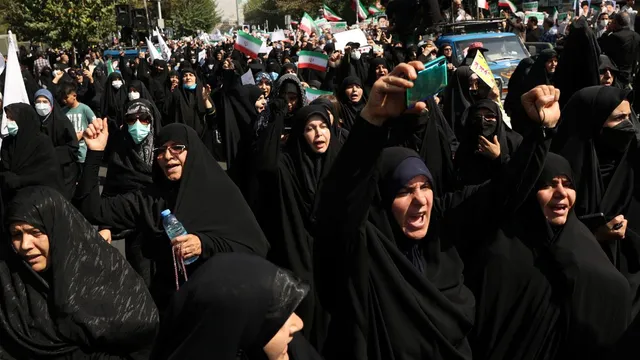
The harsh enforcement follows the 2022 death of Mahsa Amini, a young woman who was detained for allegedly violating the hijab mandate. Her death sparked massive protests across Iran and ignited global outrage against the country’s oppressive. Iran’s law enforcement agency, known as FARAJA, has been instrumental in operating and expanding the reach of the "Nazer" app.