
Just days into the conflict, the war with Iran has evolved into a grueling battle of attrition. Relentless waves of Iranian drone strikes are straining the defenses of the US and its regional partners, from Bahrain to the UAE, rapidly depleting missile stockpiles. The final result may hinge on which side exhausts its munitions first.
Shahed-136 "suicide" drones and basic cruise missiles continued to strike targets throughout the Middle East on Wednesday. Since the US and Israel initiated precision air strikes against Iran on Saturday, these drones have hit American bases, energy infrastructure, and civilian sites.
While Iran has long invested in weaponised drones as an asymmetric tool, the US is now adopting a similar strategy. Despite producing the world's most advanced stealth aircraft, the US has recognised the strategic value of low-cost, expendable systems.
ALSO READ: US Consulate In Dubai To Qatar's Al-Udeid Air Base: Iran Hits US Where It Hurts
How Much Does Shahed Drone Cost
Iran's Shahed drones have proven highly effective. They are inexpensive, offer a significant range, and can destroy high-value targets at a fraction of the cost of a standard cruise missile. A Shahed drone costs USD 20,000-50,000 as compared to the US' MQ-9 Reaper drone, which costs USD 30 million.
Recommended For You
Unlike the Iranian drones, the sophisticated American drones are produced in limited numbers. The Shahed drones have been successfully used to overwhelm the US-made air-defence systems. The Patriot air-defense system, which costs USD 4 million is being used to intercept much cheaper drones, thus exhausting expensive resources on cheap weapons.
LUCAS An Answer To Shahed Drone?
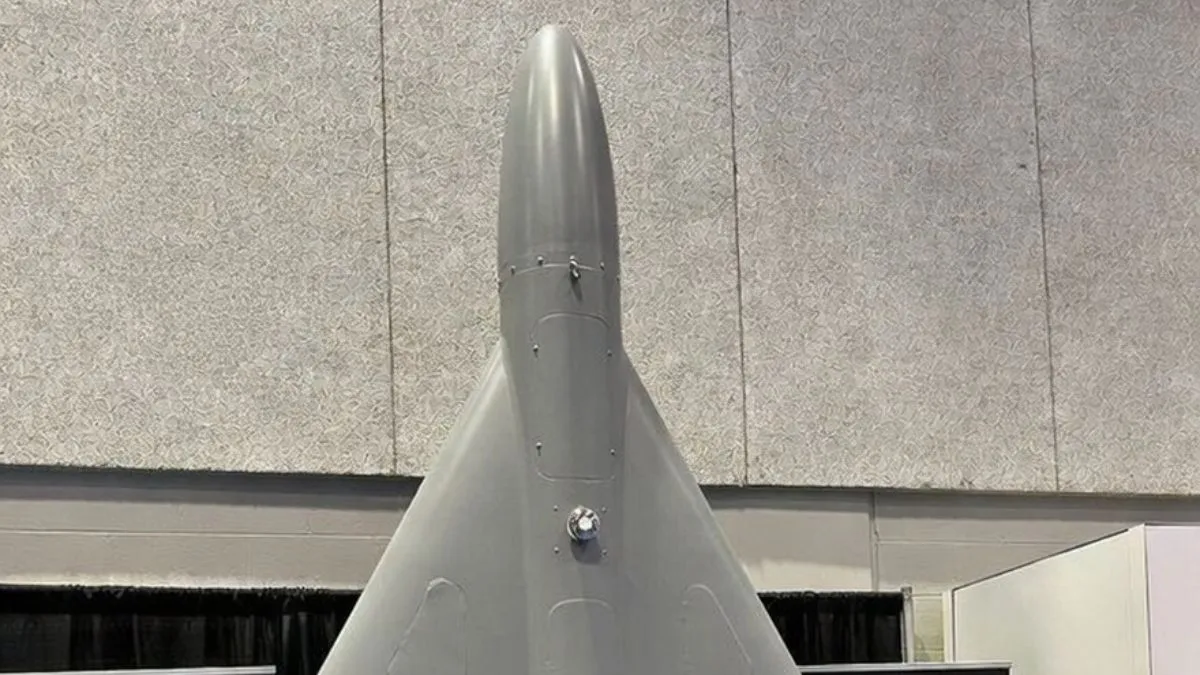
In response to this shifting landscape, the US announced the development of the Low-Cost Uncrewed Combat Attack System (LUCAS) eight months ago. Built by Arizona-based SpektreWorks, the LUCAS was first showcased in July 2025 during a Pentagon exhibition attended by Defense Secretary Pete Hegseth.
The LUCAS features an open architecture, allowing for various payloads and communication setups. It can be utilised for direct strikes or as a training target and is launchable from ground positions or trucks. Crucially, at roughly USD 35,000 per unit, it is vastly more affordable than the MQ-9 Reaper, which costs between USD 20 million and USD 40 million.
The current strikes on Iran mark the first combat deployment of the LUCAS, signaling a permanent shift in military doctrine. Following their impact in the Ukraine conflict, where Russia utilised Shahed systems similar to the LUCAS drones, they have now become the cornerstone of modern warfare.