
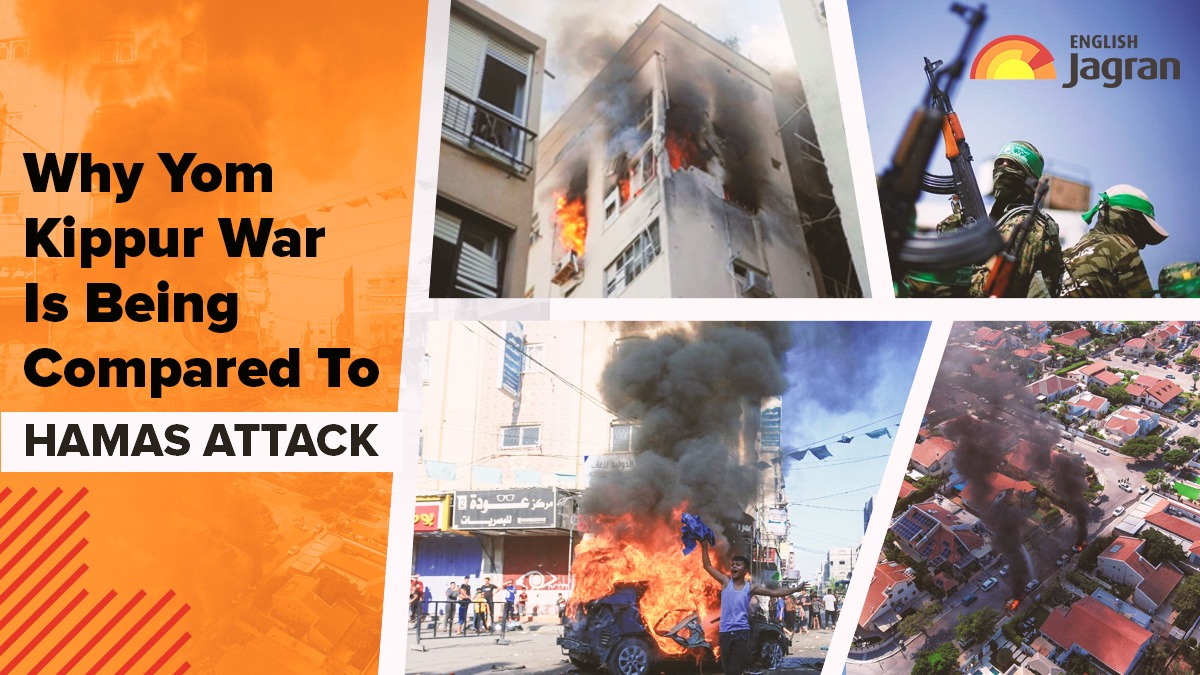
Israel-Hamas Conflict: The War between Israel and the Palestinian militant group Hamas entered the third day on Monday, in which nearly 1,300 people have been killed and thousands wounded on both sides. The Hamas group, which controls the Gaza Strips, launched an unprecedented attack on Israel on October 7, crossing into southern Israel by land, sea, and air while using paragliders.
ALSO READ: What Is Hamas? A Comprehensive Guide To Armed Palestinian Militancy Against Israel
In response to an attack by Hamas, Israel Prime Minister Benjamin Netanyahu on Sunday vowed to turn all known hideouts of the militant outfit into "rubble". He also warned all Gaza residents to leave, adding that the country would immediately use all its strength to destroy Hamas's capabilities. Just a day after Netanyahu vowed to take vengeance for the huge loss of lives and the destruction in the country, the Israel Air Force on Monday attacked various locations where the leaders of the terrorist organization Hamas were hiding.
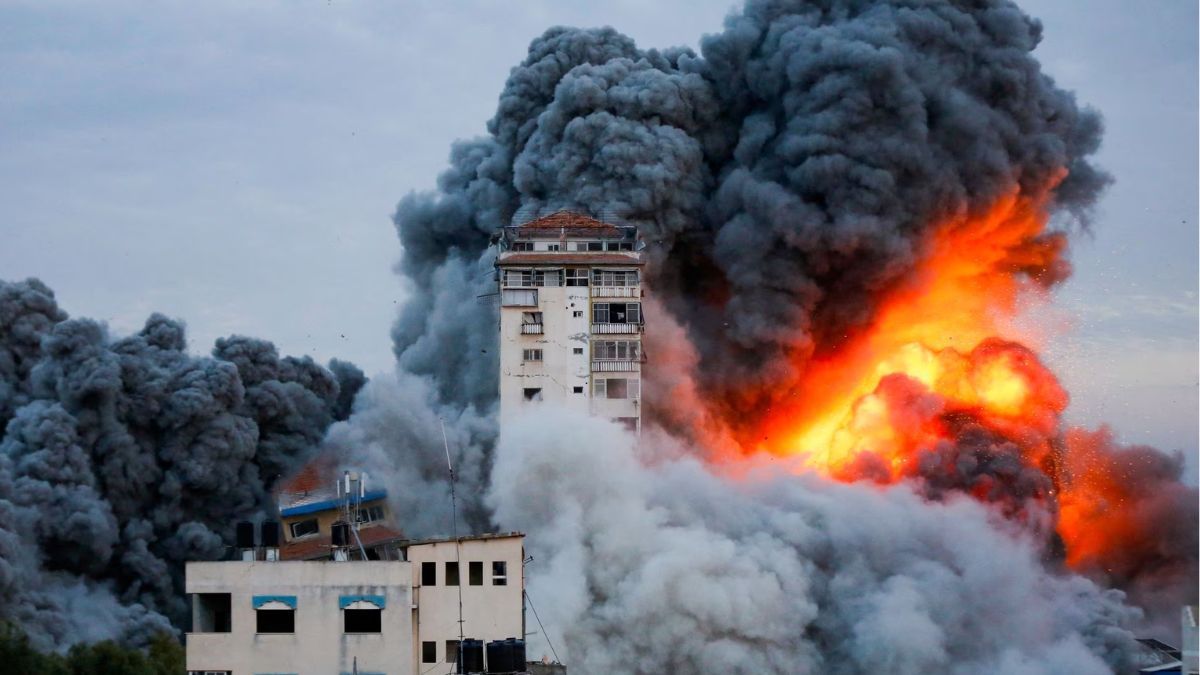
Nearly 1,300 people have been killed and thousands wounded on both sides since Hamas, which controls the Gaza Strip, attacked Israel on Saturday. (Image credit: Reuters)
In the fresh development in the ongoing conflict between Israel and Hamas, the health ministry in Gaza said that the Israeli airstrikes on the Jabalia refugee camp on Monday resulted in dozens of Palestinian deaths and injuries. At least 560 Palestinians have been killed and 2,900 wounded in Israeli air strikes on the blockaded enclave since Saturday, according to the Gaza Health Ministry.
The surprise attack by Hamas on Israel has brought back memories of the Yom Kippur War, which started 50 years and a day ago. The 1973 October War permanently changed the dynamics in the Middle East.
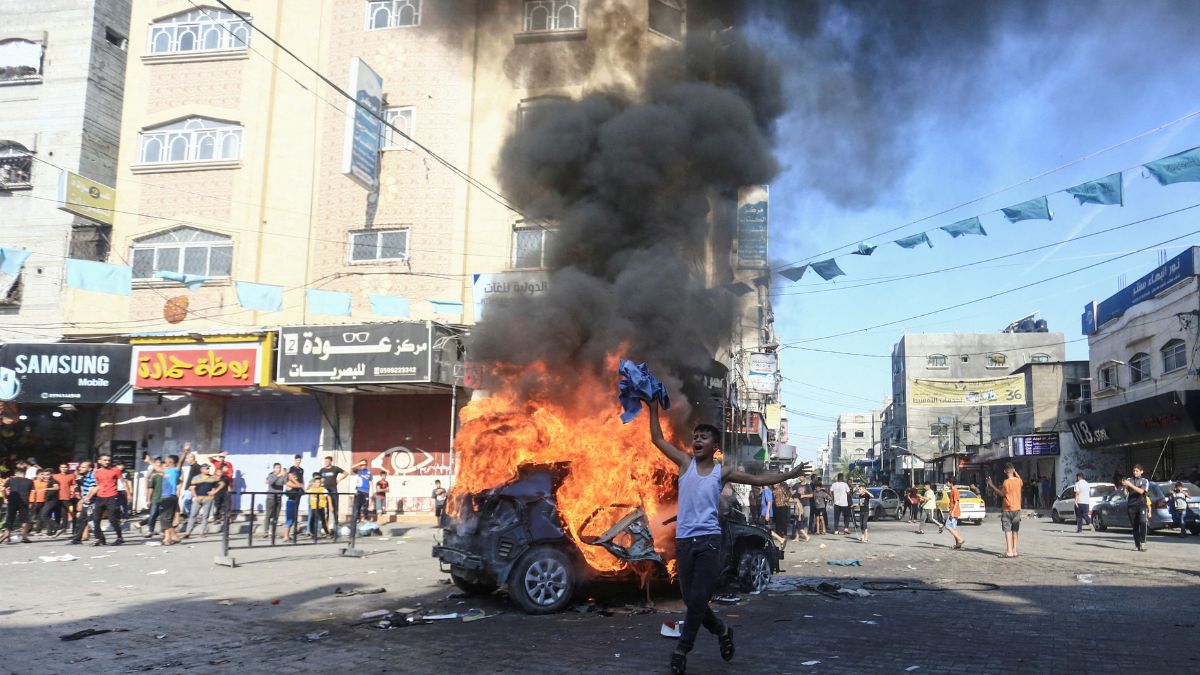
Over 500 Palestinians have been killed in Israeli air strikes on the blockaded enclave since Saturday, the Gaza Health Ministry said. (Image credit: Reuters)
What Was Yom Kippur War
The Yom Kippur War, also known as the Ramadan War, marks its 50th anniversary on October 6, 2023. Israel and its Arab neighbours have been involved in a number of wars since 1948 when the state of Israel declared its independence. After three wars in 1949, 1956, and 1967, Israel had expanded its territory, which increased tensions with the Arab states. On October 6, 1973, the Jewish day of atonement, an Arab coalition of Egyptian and Syrian forces launched a surprise attack on Israel on Yom Kippur. This strategic attack ended up being the longest and bloodiest of the Arab-Israeli conflict.
Why Yom Kippur War Being Compared To Hamas Attack
The parallel between the Yom Kippur War and the Hamas attack is being drawn based on the criticism Israel has received for being unprepared. Despite Israel's sophisticated intelligence and detection systems, the strike on Saturday was unexpected. Israel was unprepared for the Yom Kippur war as well, with many soldiers absent due to Yom Kippur, also known as the Day of Atonement, which is the most important day in Judaism.
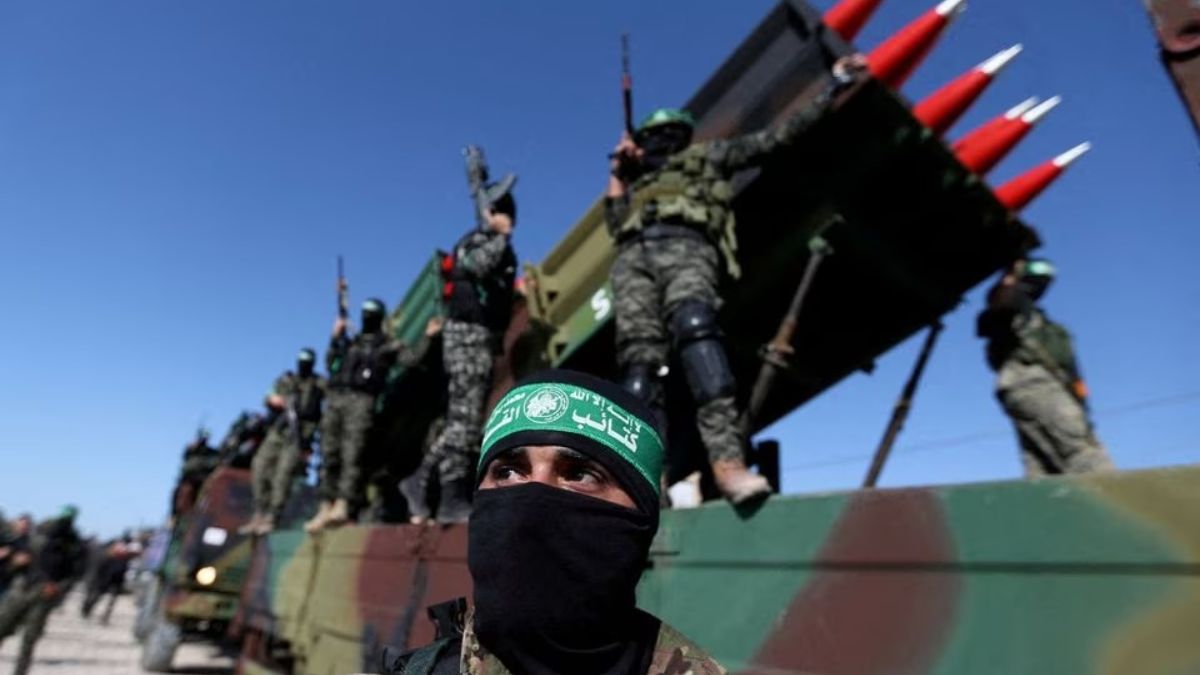
Israel on Saturday witnessed the deadliest violence when Gunmen from the Palestinian group Hamas rampaged through Israeli towns, killing thousands of Israelis. (Image credit: Reuters)
Saturday’s attack came when many Israelis were preparing to observe Simchat Torah, which marks the end of the annual cycle of public Torah readings, and the beginning of a new one, according to The Indian Express. The Torah constitutes the first five books of the Hebrew Bible.
Why Did Hamas Attack Israel
In a recorded message, Muhammad Deif, the leader of the military wing of Hamas, explained that the organisation had made the decision to launch an "operation" so that "the enemy will understand that the time of their rampaging without accountability has ended", The New York Times reported.
How Israel Responded So Far
The deadliest attack on Israel prompted Prime Minister Benjamin Netanyahu to declare "war" and assert that his country would extract an "unprecedented price" from its enemy. Taking significant military steps in response to the Hamas attack, Israel's defence minister on Monday ordered a "complete siege" on the Gaza Strip, saying authorities would cut electricity and block the entry of food and fuel.