
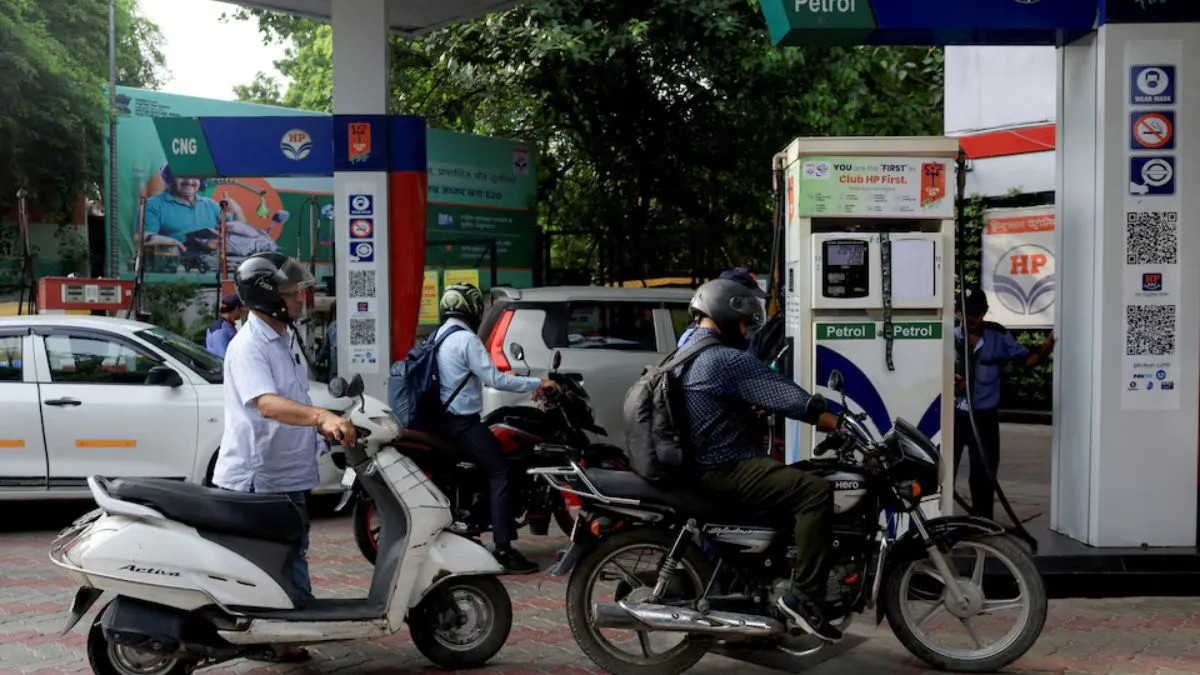
- Oil prices rose after Trump rejected Iran's peace deal.
- India faces higher import bill, wider current account deficit.
- Increased inflation and economic growth headwinds expected for India.
In a major worry for major energy importer India, oil prices rebounded more than 1 per cent on Monday after US President Donald Trump rejected a peace deal from Iran to resolve their conflict and reopen the Strait of Hormuz, keeping tensions in the Middle East elevated.
According to news agency Reuters, Brent crude futures rose USD 1.32, or 1.27 per cent, to USD 105.64 a barrel by 0036 GMT while US West Texas Intermediate crude was at USD 93.11 a barrel, up 70 cents, or 0.76 per cent.
Iran peace deal rejected by Trump
Iran announced a peace proposal last week at the UN General Assembly in New York, saying it had been transmitted to the Americans via Qatari mediators. Trump said on Saturday he rejected the plan, but told Axios in a phone interview on Sunday that he expected US negotiators to engage in more talks this week.
"Geopolitical risks remain elevated, as the Houthis and Iran continued their attacks on Saudi Arabia, leaving regional supply flows vulnerable," Reuters quoted ANZ analysts as saying in a note.
India, which imports nearly 85 per cent of its crude oil needs, remains highly exposed as it consumes roughly 5.3–5.5 million barrels per day. The conflict in the Middle East has already tightened the margins of oil companies, and now the fresh tensions could create havoc in the energy market.
Key repercussions for India
1. Higher oil import bill and wider current account deficit (CAD)
Every USD 10 per barrel sustained increase in crude prices typically adds USD 12–15 billion to India's annual import bill. Petroleum products already form 25-30 per cent of total imports. Persistently high prices near or above USD 100 widen the oil trade deficit and push CAD higher; estimates suggest an average of USD 100 per barrel could take CAD to nearly 1.9-2.2 per cent of GDP. This increases pressure on foreign exchange reserves and the balance of payments.
ALSO READ: Saudi Arabia's Hormuz Bypass Pipeline Shutdown: Will It Hit India's Oil Supplies? Explained
2. Inflationary pressures and potential pass-through to consumers
A 10 per cent rise in oil prices can add 30-40 basis points to inflation, with partial pass-through to retail fuel prices. Sustained high crude risks pushing headline inflation higher, complicating RBI monetary policy.
3. Growth headwinds
Higher energy costs act as a supply shock, reducing real disposable incomes, corporate margins (especially in transport, manufacturing, and chemicals), and overall demand. Analysts estimate a 10 per cent oil price rise can shave 15–20 basis points off GDP growth. India has demonstrated capacity to sustain 7 per cent growth even with USD 90-100 oil in some periods due to domestic demand strength, but prolonged disruption raises downside risks.
(With inputs from REUTERS)