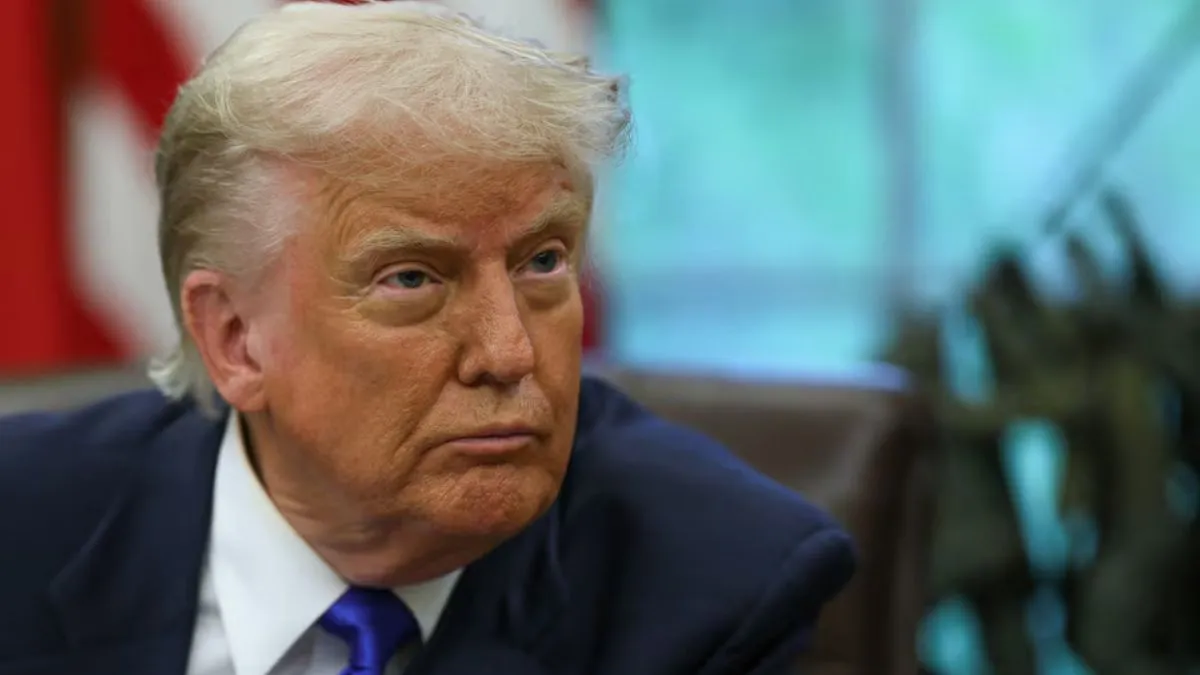
- Iran war led to rising fuel prices and inflation.
- Economic concerns fueled Democratic victory in midterm elections.
- Voters dissatisfied with Trump's Iran policy and economy.
US President Donald Trump's decision to launch military action against Iran appears to have come at a significant political cost for his Republican Party, with rising fuel prices, inflation and growing economic concerns emerging as major factors behind the Democrats' sweeping victory in the midterm elections.
The results dealt a major blow to Trump, as Democrats made significant gains in traditionally Republican strongholds and secured control of both chambers of Congress. The outcome reflected growing dissatisfaction among American voters over the administration’s policies, particularly the economic consequences of the ongoing Iran war.
The conflict, which began on February 28 after the US and Israel launched attacks against Iran, has disrupted energy supplies across the Middle East. Iran's attacks on regional oil infrastructure and the blockade of the strategically important Strait of Hormuz have further intensified concerns over global energy security.
Recommended For You
Although the conflict is taking place thousands of miles away from the United States, its economic consequences have been felt by American households through higher petrol and diesel prices.
Rising Fuel Prices Hit American Households
Before the Iran war, Brent crude oil was trading at around USD 70 per barrel. However, prices surged to nearly USD 105 after crossing USD 125 in April. Petrol prices at US fuel stations reportedly increased by around 40 per cent, while diesel prices rose by 60–70 per cent. The increase has had a wider economic impact because a large part of the American economy depends on road transportation.
Higher diesel prices have increased transportation costs, putting additional pressure on businesses and consumers.
Inflation has also remained a major concern. According to the report, US Consumer Price Index (CPI) inflation rose from 2.4 per cent in February, before the conflict, to 3.8 per cent in April and stood at 3.7 per cent in September.
Cost Of Living Becomes Biggest Election Issue
The rising cost of living emerged as one of the biggest concerns for American voters. A Reuters/Ipsos survey found that 48 per cent of registered voters considered living costs their most important election issue.
The survey also found that 49 per cent of Americans believed their household financial situation had deteriorated since Trump returned to the White House in January 2025.
ALSO READ: Is US Preparing To Strike Iran Again? Hegseth's Israel Visit Puts Tehran In Focus
Dissatisfaction with the Iran war was another important factor. Only 25 per cent of voters considered the military operation worth its cost, while 55 per cent said it was not worth the financial and human consequences.
Trump Faces Backlash Over His Policies
Trump had campaigned on promises to prioritise American interests and avoid prolonged foreign military engagements. However, the Iran conflict, rising household expenses and economic uncertainty have increasingly put his administration under pressure.
The election results suggest that voters used the midterms to express their dissatisfaction with the administration's domestic and foreign policies.
With Democrats taking control of Congress, Trump could also face greater resistance to his legislative agenda during the remaining two years of his presidential term.
(With inputs from Reuters)