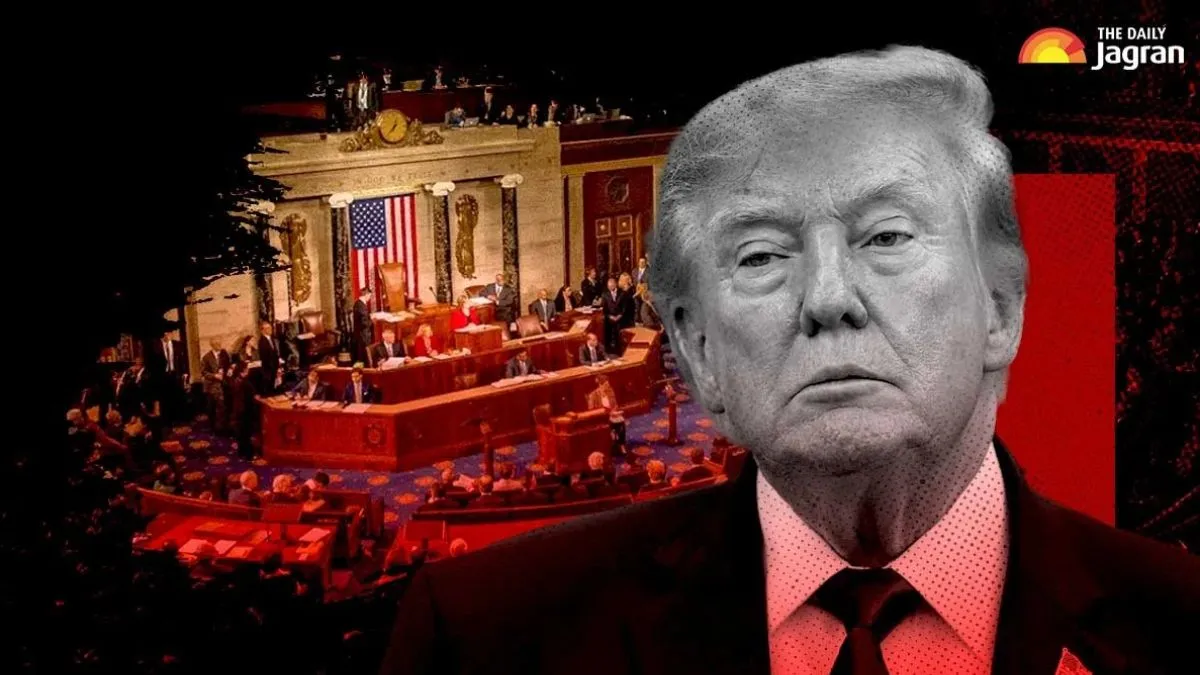
- Democratic candidates have scored victories in several key states, including traditional Republican strongholds.
- Trump's legislative agenda would now face significant hurdles.
- Increased congressional scrutiny and potential investigations into administration.
US Midterm Election 2026 Results: Democrats have made significant gains in the November 3 midterm elections, securing control of the US Senate and moving closer to taking control of the House of Representatives. The party has recorded victories in several key states, including Texas, North Carolina, Georgia, Ohio and Kansas, defeating Republican candidates in several closely watched races.
These results mark a major shift in the balance of power in Washington, where Republicans previously controlled both chambers of Congress. The Democratic victories can now significantly change the political landscape for Trump's remaining two years in office. With Democrats gaining control of the Senate, the president will face a different balance of power in Congress. If Democrats also secure the House, they would control both chambers and have greater influence over legislation, government spending and congressional investigations.
What The Democrats' Victory Means?
The US government operates through three branches: the executive, legislative and judicial. The president heads the executive branch, while Congress, comprising the House and Senate, is responsible for making federal laws.
- Control Over Bills
According to latest projections by the AP, Democrats have won control of both the House and the Senate in the US Congress. This creates a "divided government," meaning Democrats run the lawmaking branch while Republican President Donald Trump runs the executive branch.
Recommended For You
This would make it considerably harder for the Trump to advance his legislative agenda. Congress approves federal spending, passes legislation and confirms many presidential appointments. With Democrats controlling both chambers, Republican-backed bills could be blocked, amended or delayed.
This could make legislation involving taxation, government spending, healthcare and immigration more difficult to pass. It could also have implications for other countries, including India, particularly in areas such as trade, tariffs and immigration policy.
However, a Democratic victory in both chambers would not mean Trump loses his presidential powers. Instead, he would have to negotiate more frequently with the opposition to advance his legislative priorities.
- Democrats Could Investigate Trump's Administration
One of the most big consequences of a Democratic takeover would be their control of congressional committees.
These committees have the authority to investigate government activities, request official documents and summon government officials to testify.
Democrats could use these powers to examine Trump's administration decisions, federal spending and the implementation of government policies. They could also investigate whether presidential authority has been used to benefit Trump, his political allies or his donors.
Such investigations could increase scrutiny of Trump's policies, executive decisions, administration officials and spending priorities.
The inquiries could also create considerable political pressure on the White House and potentially expose controversies within the administration.
- Trump's Presidential Appointments Could Face Hurdles
The Senate plays a crucial role in approving many of the president's appointments, including federal judges, Cabinet officials and ambassadors. Democrats' control of Senate means Trump's nominees could face tougher confirmation hearings, prolonged delays or outright rejection. This could slow the process of filling key positions across the federal government and make it more difficult for the administration to implement its priorities.
ALSO READ: US Midterm Elections: How November 4 Results Could Shape Trump's Policy On India, Iran And Ukraine
- Impeachment Could Become a Possibility
A Democratic-controlled House of Representatives could also initiate impeachment proceedings against Trump. Under the US Constitution, the House has the authority to impeach a president through a simple majority vote. However, impeachment does not automatically remove a president from office.
ALSO READ: US Midterm Elections 2026: What Happens If Senate Is Split 50-50? Explained
After the House approves articles of impeachment, the Senate conducts a trial. A conviction and removal from office require a two-thirds majority of senators present. Therefore, even if Democrats control both chambers, Trump's removal would not be guaranteed. A Democratic majority would give the party greater investigative and impeachment powers, but securing a conviction in the Senate would remain a significant challenge.
Trump Would Still Retain His Presidential Powers
Despite Republicans losing the control of the House, Trump would remain president until January 2029, when his current term is scheduled to end. He would continue to exercise important executive powers, including authority over foreign policy, executive orders, federal administration and significant aspects of immigration enforcement and trade policy.
The president also has the power to veto legislation passed by Congress. However, Congress can override a presidential veto if it secures a two-thirds majority in both the House and the Senate. In simple terms, Democrats could make Trump's job considerably more difficult, but they could not simply take control of the presidency or strip him of his constitutional powers by winning the midterm elections.
Can Midterm Elections Affect the Presidency?
Yes. Midterm elections are often challenging for the political party occupying the White House. For the 2026 midterms, this means Trump and Republicans, who currently control the White House, the Senate and the House of Representatives, face the possibility of losing their legislative majority.
Midterm elections also give voters an opportunity to assess the president's performance and express their approval or dissatisfaction with the administration's policies. Although midterm elections do not determine who occupies the White House, they can influence the president's ability to pass legislation, approve budgets and implement key policy priorities.
You may also like to watch