
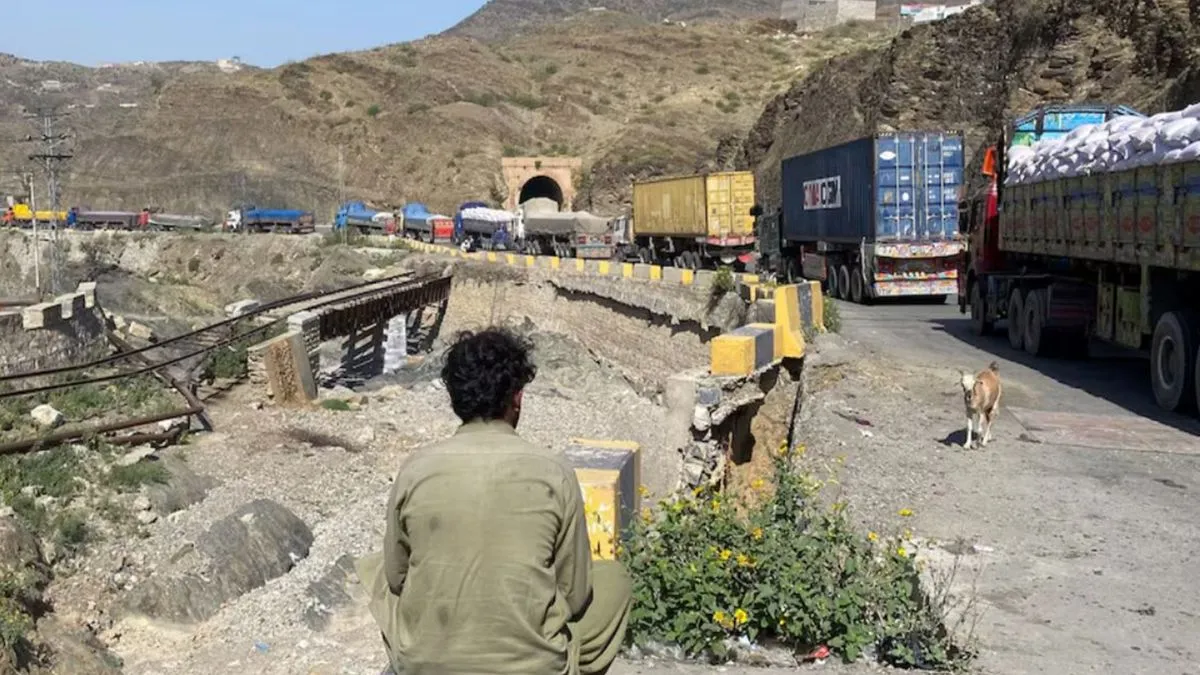
Tensions have increased between Pakistan and Afghanistan along the border in recent times. The Pakistani military airstrike at a drug treatment centre in Kabul on Monday night, which left 400 people killed and several injured, has raised the possibility of escalating tensions. The attack has reportedly become one of the deadliest single strikes on civilians in Afghanistan in recent years.
Pakistan-Afghanistan Cross-Border Dispute
Earlier in February, firing was reported between security forces from both sides along the 2,600-kilometre Durand Line. The conflict is linked to long-standing disputes over the border and the presence of militant groups in the region. The Taliban government has repeatedly accused Pakistan of violating Afghanistan’s “sovereign territory” and defended its right to retaliate. Meanwhile, Pakistan accuses Kabul of harbouring Pakistani terrorists, the Tehrik-e-Taliban Pakistan (TTP) who carry attacks from Afghan soil. Afghanistan’s Taliban government has denied supporting such groups. These escalated tensions have raised concerns about stability in South Asia and how the conflict could impact their neighbouring countries like India.
How Will It Impact India?
While the conflict between Pakistan and Afghanistan doesn't directly impact India, the tensions mainly affect regional security and stability. A full-blown conflict can create a massive refugee influx in India through the border, posing greater risks for internal security. It can also hamper regional projects like the Turkmenistan-Afghanistan-Pakistan-India (TAPI) gas pipeline, often referred to as the "Peace Pipeline." It is an under-construction 1,814-kilometer pipeline designed to transport natural gas.
Recommended For You
The conflict can also have economic effects on the region. It could hamper businesses, trade activities, and disrupt the income of local communities who rely on cross-border trade. For India, while the economic impact is mostly indirect, it can make it harder for New Delhi to expand trade routes or expand partnerships in the affected region. It may further possess risks for economic cooperation across the South Asian region. Moreover, any instability in the region can lead to the rise of extremist groups, influencing India's security interest and diplomatic strategy in South Asia.
If tensions continue, Pakistan may become more focused on its western border, which could slightly reduce its attention toward India. New Delhi had earlier condemned Pakistani airstrikes on Afghan territory, labeling them as "hypocritical" and an attempt by Pakistan to "externalise its internal failures."