
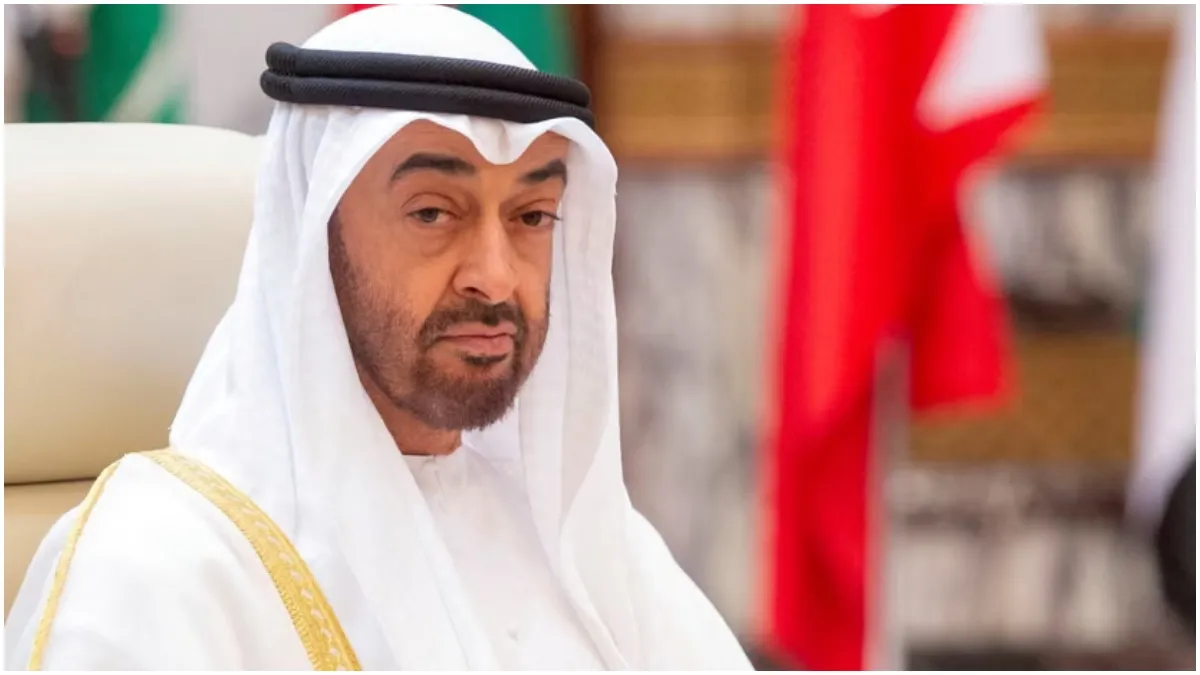
The United Arab Emirates on Tuesday said that it quit OPEC and OPEC+, dealing a huge blow to oil exporting groups and Saudi Arabia, which is a de facto leader of the groups.
The tectonic shift in the groups of oil producing and exporting countries comes at a time when the global energy security remains at risk due to the Iran war in West Asia.
UAE Energy Minister Suhail Mohamed al-Mazrouei, in conversation with news agency Reuters, said that the decision was taken after a careful look at the regional power's energy strategies.
When asked whether the UAE consulted with Saudi Arabia, the minister said his country did not raise the issue with any other country. "This is a policy decision, it has been done after a careful look at current and future policies related to level of production," said the energy minister.
What are OPEC and OPEC+?
OPEC or the Organisation of the Petroleum Exporting Countries is a group of countries which produce and export oil to the world. It was formed by five founding members, Saudi Arabia, Iraq, Kuwait and Venezuella, on Sepetmber 14, 1960.
The grouping was formed with an aim to regulate volume of oil production, ensure steady income for producing countries, stabilising the oil markets, maintain upper hand over their natural resources and reduce dominance of western oil companies.
Prior to OPEC, it was western oil firms that largely controlled pricing and productions. The UAE joined the grouping in 1967.
In 2016, the group expanded its coordination with 10 other oil-producing countries by forming OPEC+ with them. The aim was to increase coordination with non OPEC members, especially Russia, to better manage oil supply and demand, stabilise prices after periods of global market shocks (especially the 2014–2016 oil price crash).
Recommended For You
Why did UAE left the groupings?
While the exact reason behind the move is yet to be officially announced, the country has had disagreements with the groupings, mainly over quota restrictions. The move is likely a result of willingness to maximise oil production, gain an independence from quota restrictions.
The exit may also have come as dissatisfaction over regional security as UAE has faced the most of Iranian wrath in the ongoing conflict. UAE, a regional business hub and one of Washington's most important allies, criticised other Gulf nations for not doing enough to protect it.
Anwar Gargash, the diplomatic adviser for the UAE president, criticised the Arab and Gulf response to the Iranian attacks in a session at the Gulf Influencers Forum on Monday.
"The Gulf Cooperation Council countries supported each other logistically, but politically and militarily, I think their position has been the weakest historically," Gargash said, adding "I expect this weak stance from the Arab League and I am not surprised by it, but I haven't expected it from the (Gulf) Cooperation Council and I am surprised by it," he said.