

- By Ankit Kumar
- Fri, 11 Oct 2024 07:58 AM (IST)
- Source:JND
As the 2024 US presidential elections approach, all eyes are on Kamala Harris, who could make history as the first female President of the United States. Her candidacy not only signals potential shifts in domestic policies but also raises critical questions about America's global standing. With increasing tensions between the US and China, Harris' leadership in navigating international relations, particularly with Beijing, could have far-reaching consequences for the US and the world.
US-China Relations: A Complex Balancing Act
Kamala Harris’ stance on US-China relations is among the most pivotal foreign policy issues of her campaign. Throughout her time as Vice President and in the Senate, Harris has consistently adopted a firm position on China, labelling it a “strategic competitor”. She has condemned Beijing's human rights abuses, particularly the treatment of Uyghur Muslims in Xinjiang, which she has called “genocide”. This tough line is likely to persist, with Harris maintaining a careful balance between confrontation and engagement.
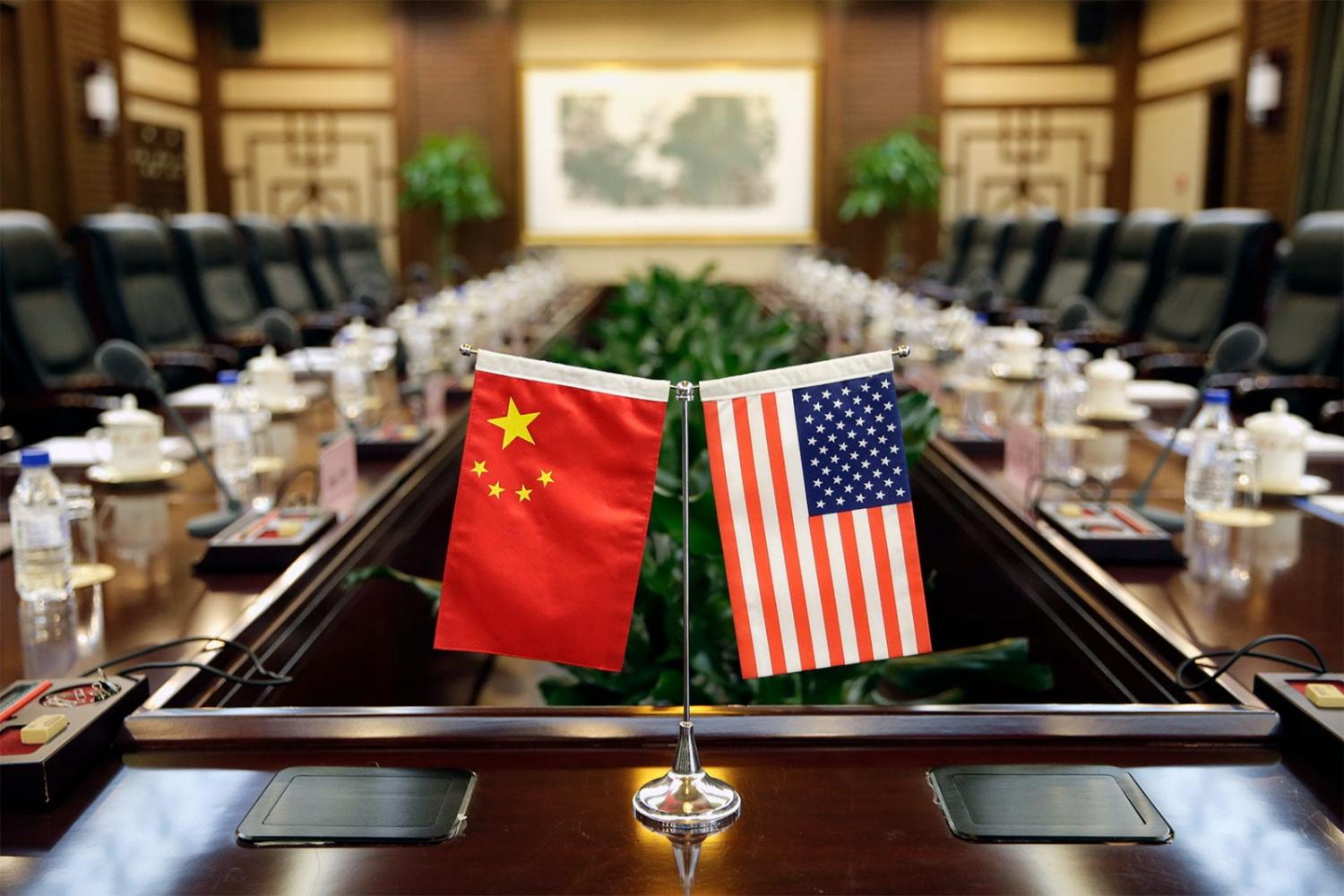
Her likely strategy would involve two main elements. First, she aims to hold Beijing accountable for its expansionist policies in the South China Sea, its aggressive stance toward Taiwan, and its suppression of pro-democracy movements in Hong Kong. Second, she seeks cooperation on global challenges such as climate change, where China plays a critical role but also presents significant environmental concerns. Harris’ approach may resemble the Biden administration’s - adversarial on strategic fronts yet open to collaboration on broader global issues.
However, China is not expected to welcome her presidency. Beijing views Harris with scepticism due to her vocal criticism of the Chinese Communist Party. Furthermore, Harris’ support for strengthening US alliances in the Indo-Pacific, particularly through cooperation with Japan, India, and Australia (members of the Quad alliance), is seen as a counterbalance to China's growing influence in the region.
Strengthening Indo-Pacific Partnerships
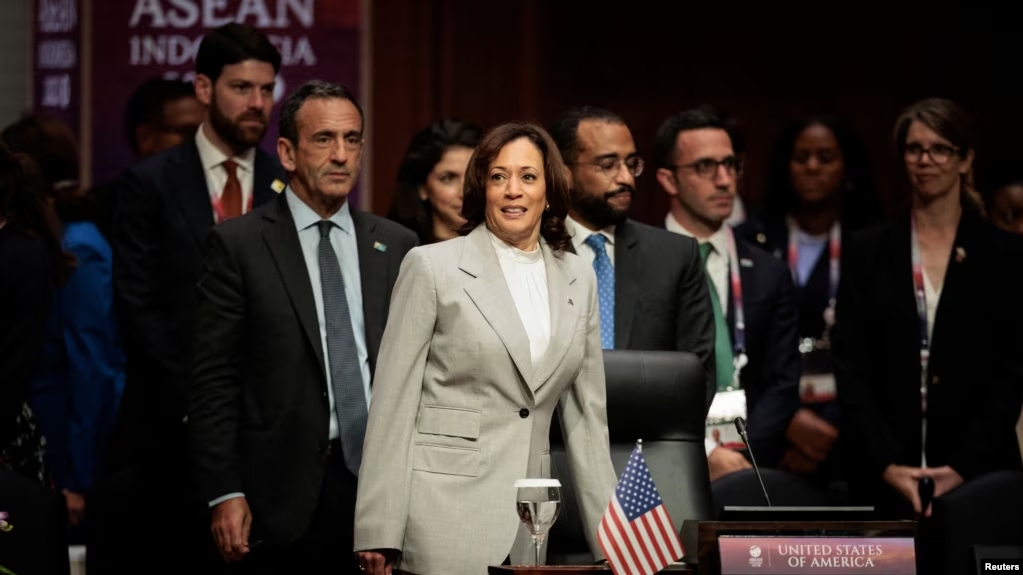
Harris has long championed the importance of US alliances in the Indo-Pacific, viewing them as crucial to countering China's rising power. During her vice-presidential tenure, she visited Southeast Asia to reaffirm US commitments to its regional allies. Under her presidency, these partnerships are expected to deepen, particularly with India, a key player in the region and a natural counterbalance to China’s dominance.
Harris’ presidency could enhance US-India defence cooperation, building on existing military partnerships and technology transfers. The Indo-Pacific strategy aims to ensure a free and open region, a vision that aligns with longstanding US policy. Harris is also likely to remain firm on supporting Taiwan’s self-governance in the face of Chinese pressure, a stance that will undoubtedly strain relations with Beijing further.
The Economic Dimension
The economic rivalry between the US and China has become a defining feature of global geopolitics. Harris has taken a firm stance on critical issues such as intellectual property theft, technology competition, and supply chain security. Her focus on developing domestic supply chains for essential industries, such as semiconductors, could lead to a reshoring of manufacturing jobs to the US, shielding the American economy from global disruptions like those experienced during the Covid-19 pandemic. This strategy also addresses concerns about intellectual property theft and China's technological ambitions.
Harris’ economic policies reflect a broader goal of reducing US dependence on Chinese goods and technologies. She supports maintaining tariffs on Chinese imports, a policy introduced by the Trump administration and continued by Biden. While promoting technological competition, Harris is likely to push for new regulations to protect US businesses from cyber espionage and intellectual property theft.
Recognising the importance of global trade, Harris may also seek to diversify US trade partnerships in Asia, South America, and Europe, reducing reliance on China’s economic influence. Her foreign policy approach could create new opportunities for American companies, particularly in the green energy sector, which she prioritises in her climate agenda.
Climate Change: Cooperation Or Conflict?
Climate change is one area where Harris could potentially collaborate with China. As the world's largest carbon emitters, both countries play a critical role in addressing global warming. Harris has been a strong advocate for climate action, pushing for a transition to renewable energy and green technology. She has called for ambitious emissions reduction targets, both domestically and internationally.
However, collaboration may not be smooth. Harris has criticised China for its continued investment in coal-fired power plants, which contribute significantly to global greenhouse gas emissions. If elected, Harris may push for stronger international climate agreements, encouraging China to adopt greener policies while holding it accountable for its environmental record.
Domestic Policy And Its Global Impact
Harris’ foreign policy vision is deeply intertwined with her domestic agenda. She has emphasised that a prosperous, resilient America is crucial for competing on the world stage. Her focus on infrastructure, technology, and innovation is aimed at boosting US competitiveness globally. By investing in renewable energy, transportation, and education, Harris aims to position the US as a leader in emerging industries, reducing dependence on foreign powers like China.
Harris’ leadership style, marked by diplomacy and coalition-building, may help the US regain its influence in international institutions such as the United Nations and the World Trade Organization, where China’s role has been expanding. Her emphasis on human rights, racial justice, healthcare reform, and income equality aligns with a broader global vision of promoting democracy and human rights. Harris believes that by fostering a more equitable and inclusive society at home, the US can reclaim its moral authority to advocate for these values abroad.
As the 2024 US elections near, Kamala Harris represents a potentially transformative figure in both domestic and global politics. Her presidency could usher in a new era of American leadership, characterised by renewed multilateralism, strengthened alliances, and a commitment to addressing global challenges like climate change and human rights. However, navigating US leadership in a rapidly changing world will not be without its challenges. Whether Harris can change the course of the US and reshape its role on the global stage remains to be seen. The 2024 election is poised to be a turning point, with far-reaching implications for the US and the world.