
- By Ajeet Kumar
- Wed, 23 Jul 2025 08:00 AM (IST)
- Source:JND
US-Japan trade deal: US President Donald Trump on Tuesday night (local time) announced the completion of what he called a "massive deal" with Japan, potentially "the largest deal ever made," following intense and protracted negotiations between the two nations. In a post on Truth Social, Trump stated, "We just completed a massive Deal with Japan, perhaps the largest Deal ever made. Japan will invest, at my direction, $550 billion into the United States, which will receive 90% of the Profits. This Deal will create Hundreds of Thousands of Jobs -- There has never been anything like it."
Largest trade deal in history: Trump
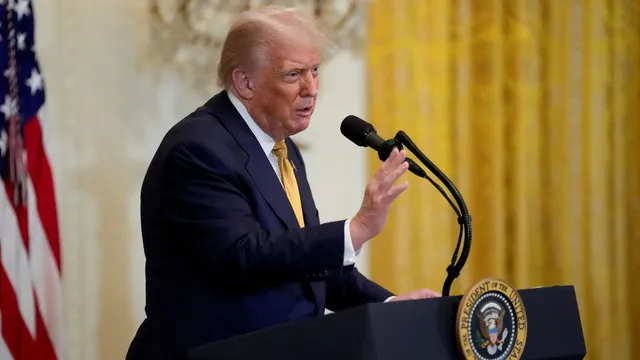
Shortly after the announcement, Trump addressed a reception with Republican members of Congress in the East Room of the White House, saying, "I just signed the largest trade deal in history; I think maybe the largest deal in history with Japan. They had their top people here, and we worked on it long and hard. And it's a great deal for everybody." The agreement entails a 15 per cent "reciprocal" tariff on Japanese goods exported to the US. President Trump stated that the US will "will receive 90 per cent of the profits." The agreement marks a breakthrough after months of stalled negotiations with key trading partners, as Trump's August 1 deadline for higher tariffs approached.
What US will get with new deal with Japan
The Japan deal was one of three major trade developments Trump announced that day. Trump stated that Japan would open its market to US trade, including automobiles and agricultural products. "Perhaps most importantly, Japan will open their Country to Trade including cars, trucks, Rice and certain other Agricultural Products, and other things. Japan will pay Reciprocal Tariffs to the United States of 15 per cent."
Calling it a significant development for bilateral ties, Trump said, "This is a very exciting time for the United States of America, and especially for the fact that we will continue to always have a great relationship with the Country of Japan. Thank you for your attention to this matter!" Trade in rice had emerged as a major sticking point during the talks. "They won't take our RICE, and yet they have a massive rice shortage," Trump posted last month on Truth Social. CNN reported that Japan bought $298 million worth of US rice last year and $114 million between January and April this year.
A 2021 report by the Office of the United States Trade Representative under former President Joe Biden had stated, "Japan's highly regulated and non-transparent system of importation and distribution for rice limits the ability of US exporters to have meaningful access to Japan's consumers." Automobiles, a pillar of Japan's economy, were also central to the discussions. "We didn't give them one car in 10 years," Trump said earlier this month. However, CNN cited data from the Japan Automobile Importers Association showing Japan imported 16,707 American-made vehicles last year.
US-Japan trade deal
US Treasury Secretary Scott Bessent met Japanese Prime Minister Shigeru Ishiba in Tokyo last week and expressed optimism about a breakthrough. In a post on X, Bessent said, "A good deal is more important than a rushed deal, and a mutually beneficial trade agreement between the United States and Japan remains within the realm of possibility." Mary Lovely, a trade expert at the Peterson Institute, told CNN the deal relieved Japan of tariff pressure. "The 'deal' relieves Japan of the 25 per cent tariff threat and puts it potentially in a competitive position vis-à-vis similar US suppliers," she said. "The US is unlikely to sell many cars and trucks... from the US. Agricultural liberalisation is) a win for Japanese consumers, assuming they are willing to try excellent California rice."
(With inputs from agency)