
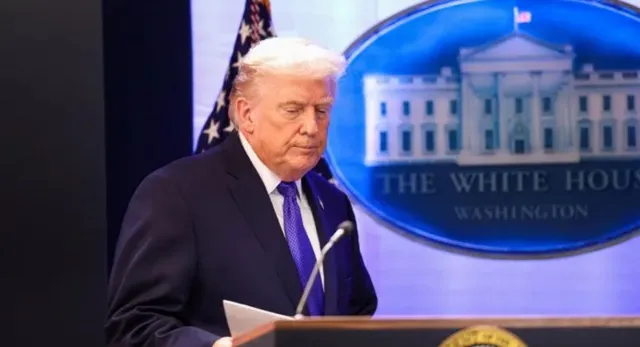
The Supreme Court of the United States has ruled that former President Donald Trump’s tariffs were illegal and ordered them struck down, delivering a significant setback to his administration’s trade and economic policies.
The ruling has triggered fresh debate over the fate of an estimated USD 133 billion already collected by the federal government under the tariff regime.
ALSO READ: Pakistan Economic Crisis: Balochistan And Sindh Worst-Hit As Unemployment Reaches 21-Year High
JB Pritzker, Governor of Illinois, has written to Trump demanding a refund of nearly USD 9 billion for families in his state. In his letter, Pritzker argued that the tariffs hurt farmers, strained relations with allies and drove up grocery prices.
Economists at Yale University estimate that the average American household paid about USD 1,700 more last year due to tariff-related price increases. Pritzker has sought compensation based on that figure.
Who Will Get the Money?
Despite public hopes for direct payments, experts say refunds to individual consumers are unlikely. Since tariffs were collected from importing companies rather than directly from households, any repayments would likely go to those businesses.
Scott Bessent, the US Treasury Secretary, has also suggested that direct compensation to individuals is improbable. While the Trump administration had signalled both formally and informally that refunds could be considered, no clear framework has been outlined.
The Penn Wharton Budget Model estimates total refunds could amount to as much as USD 175 billion, though the final figure and distribution mechanism remain uncertain.
In a dissenting opinion, Brett Kavanaugh noted that the court did not provide specific guidance on how or when the government should return the funds, warning that the process could prove complex.
The US Customs and Border Protection already has procedures in place for refunding tariffs when importers demonstrate they were charged in error. Legal experts suggest that a similar mechanism may be used in this case.
ALSO READ: 'Studying All Developments': India's First Reaction To Trump's Tariff Revocation By US Supreme Court
A comparable precedent dates back to the 1990s, when the court declared harbour maintenance fees on exports unconstitutional and ordered refunds to affected companies. However, observers note that the current case is far larger in scale, involving thousands of importers and tens of billions of dollars.
Companies Prepare for Legal Battle
Several firms, including Costco, Revlon and Bumble Bee Foods, have reportedly filed lawsuits seeking refunds and priority claims if the tariffs are formally repealed.
Trade lawyers expect a prolonged legal process, potentially involving the New York Court of International Trade and other lower courts.
Experts say additional litigation may follow, including possible claims by manufacturers against suppliers who raised raw material prices, citing tariffs. Even after the Supreme Court’s decision, the dispute over refunds appears set to continue in the courts for years.