
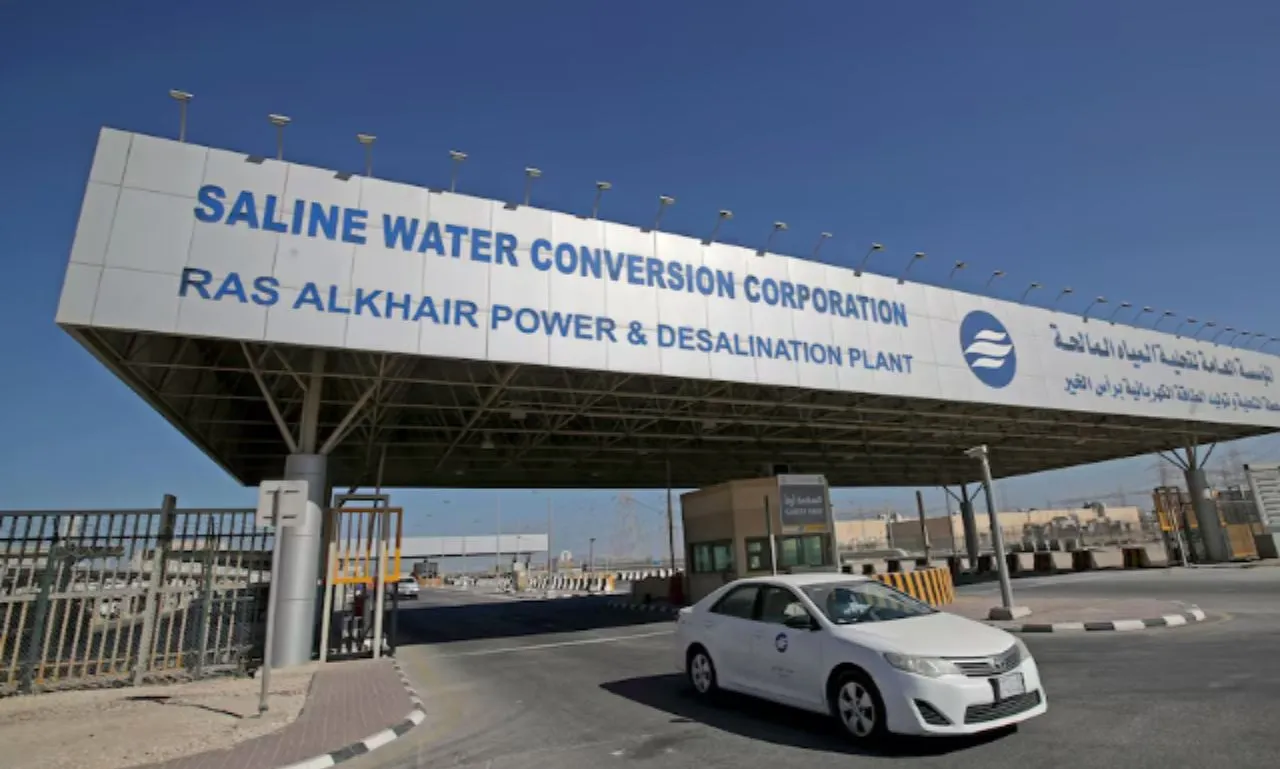
Iran’s warning to target desalination infrastructure belonging to the United States and the regime in the region could have far-reaching effects across the Gulf. Desalination plants supply a significant portion of drinking water to Gulf countries. Any disruption to these facilities would directly impact everyday life, causing shortages of clean water for millions. The threat came after US President Donald Trump issued an ultimatum to Iran, giving it 48 hours to lift the blockade in the Strait of Hormuz, one of the most critical oil transit routes.
"If Iran doesn't FULLY OPEN, WITHOUT THREAT, the Strait of Hormuz, within 48 HOURS from this exact point in time, the United States of America will hit and obliterate their various POWER PLANTS, STARTING WITH THE BIGGEST ONE FIRST!" Trump posted on his social media handle Truth Social at 5:14 am (IST).
Why Are Desalination Plants Important
Desalination plants change seawater into potable water by removing salts and other impurities, using either heat-based or membrane-driven processes.
The US Department of Energy explains that one common approach involves heating water until it vapourises, leaving contaminants behind, and then condensing the vapour back into liquid suitable for human consumption. Another technique uses membranes that selectively allow water to pass while blocking dissolved salts.
Recommended For You
In the Gulf region, reverse osmosis is the main technology due to its energy efficiency and effectiveness. Water scarcity has made desalination an important process across the Middle East. A 2020 report by the Gulf Research Center, cited by Al Jazeera, noted that groundwater combined with desalinated water provides roughly 90 per cent of the region’s primary water resources.
ALSO READ: Hormuz Crisis Escalates: Trump Threatens Iran's Power Plants, Tehran Vows Counterstrike
The Arabian Gulf coast alone hosts over 400 desalination facilities, and countries in the Gulf Cooperation Council contribute about 60 per cent of the world’s desalination capacity, generating nearly 40 per cent of the planet’s desalinated water.
Approximately 42 per cent of the UAE’s drinking water comes from desalination, while in Kuwait it reaches 90 per cent, Oman 86 per cent, and Saudi Arabia around 70 per cent.