
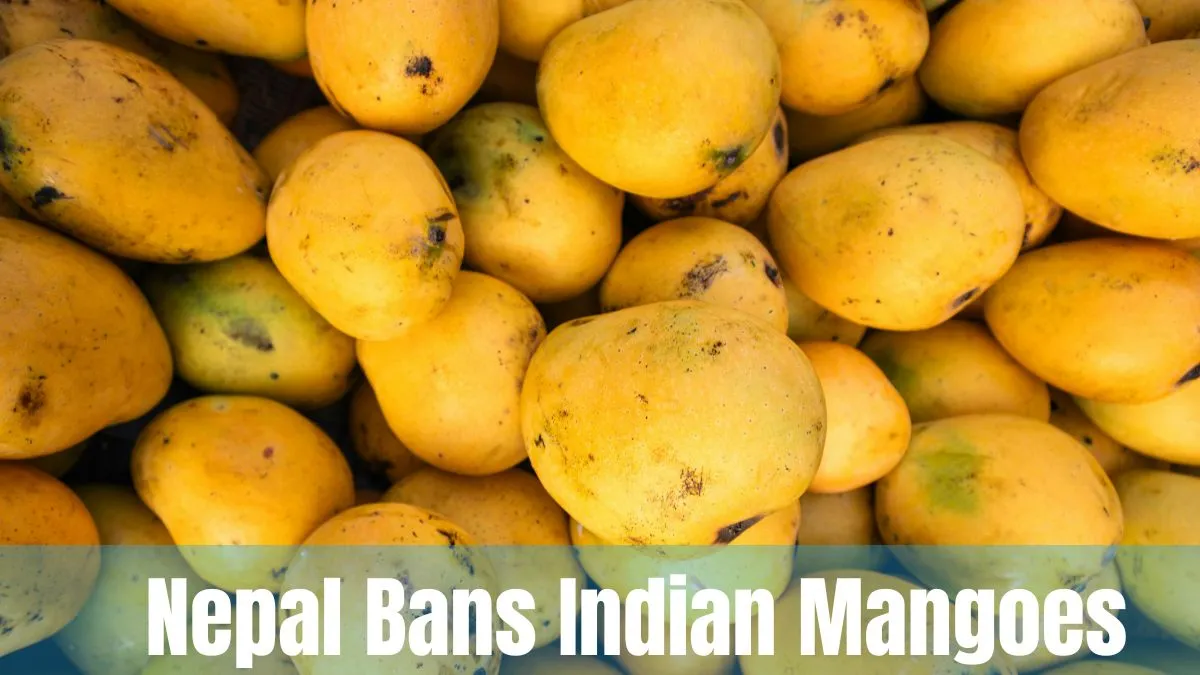
The reputation of Indian mangoes is facing scrutiny. Earlier, Japan halted importing mangoes from India, and now the neighbouring country, Nepal, has announced a ban on Indian mangoes. While Japan restricted shipments last month, citing quality standards, Nepal has now followed suit, halting the import of mangoes and other fruits from India.
Why was the ban imposed?
Nepal, a major importer of Indian mangoes, implemented the ban after its Ministry of Agriculture and Animal Husbandry had allegedly found pesticide residue levels exceeding prescribed limits in certain shipments from India. The decision is rooted in concerns regarding food safety and quality compliance.
Also Read: Rs 10,000 Monthly For 15 Years: Choosing Between PPF and Equity Mutual Funds
Impact on Nepali traders and markets
The sudden restriction has caused some distress in the local market. Although reports in "The Rising Nepal" claimed that sales of locally grown fruit have increased since the ban. Meanwhile, long-term supply stability concerns may hit the Nepali fruit market if the ban persists for an extended period. Local vendors emphasise that while promoting domestic produce is a positive initiative, the lack of a long-term strategy and the abrupt implementation of the ban have created significant operational difficulties for them.
Recommended For You
Global demand remains robust
Despite these regional setbacks, Indian mangoes continue to see strong demand in the global market. Air India recently reported the export of over 1,000 tonnes of premium varieties, including Alphonso and Saffron, to regions across Europe, North America, and West Asia.