

- By Akansha Pandey
- Thu, 08 Jan 2026 05:49 PM (IST)
- Source:JND
The Turkman Gate area of Old Delhi is currently in the headlines. Acting on High Court orders, the Municipal Corporation carried out a demolition drive at midnight to remove illegal construction near the Faiz-e-Ilahi mosque. The operation faced protests as some locals resorted to stone-pelting, resulting in injuries to five police personnel. Ten suspects have been apprehended based on CCTV footage.
However, are you familiar with the history of Turkman Gate? This gate is a symbol of Delhi, which was once known as the city of seven forts and 52 gates.
The Tale Of 7 Forts And 8 Cities
In 1611, European merchant William Finch described Delhi as a city of 7 forts and 52 gates. From the 8th to the 20th century, eight major cities were established in Delhi:
First City: Rai Pithora or Lal Kot (731–1311)
Second City: Siri Fort (1304)
Third City: Tughlaqabad (1321–23)
Fourth City: Jahanpanah (14th Century)
Fifth City: Firozabad (1354)
Sixth City: Dinpanah or Shergarh (1534)
Seventh City: Shahjahanabad (1649)
Eighth City: Modern New Delhi (1920s)
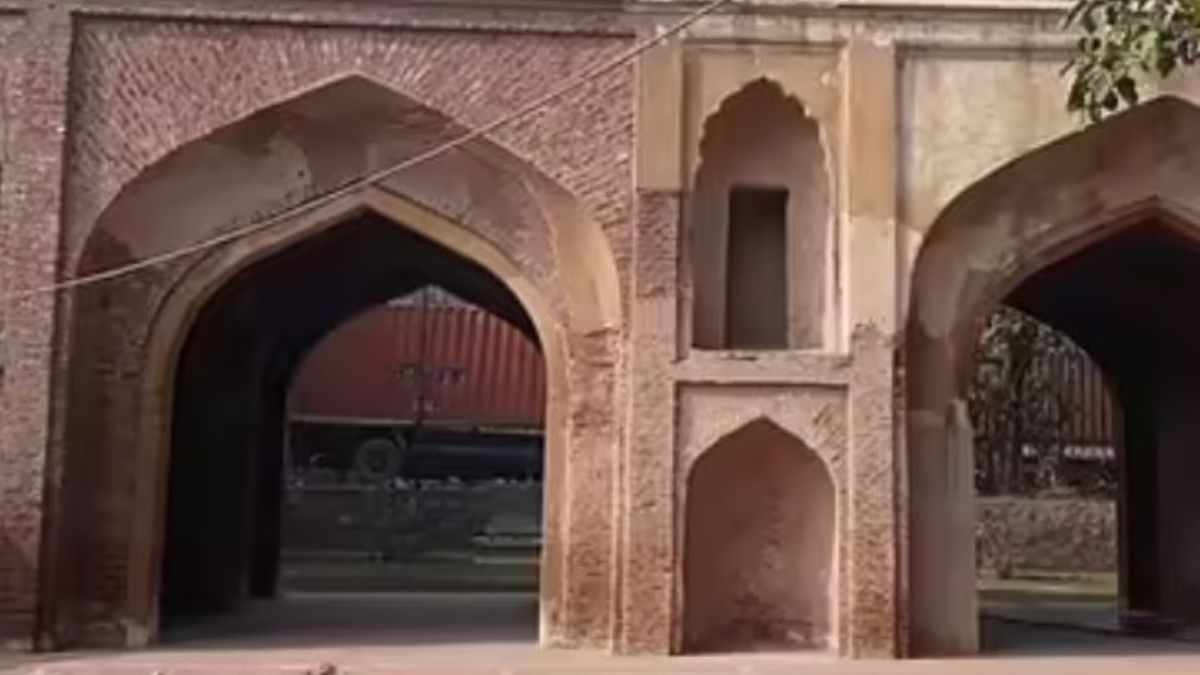 (Ajmeri Gate)
The 14 Gates Of Shahjahanabad
The city of Shahjahanabad, established by fifth Mughal emperor Shah Jahan, had 14 massive entrance gates and 16 smaller, window-like gates. Today, only a few survive. These include Kashmiri Gate, Ajmeri Gate, Delhi Gate and Turkman Gate. The scope of all these gates is now confined to the 5-6 kilometer radius of Old Delhi.
Turkman Gate Named After a Sufi Saint: Turkman Gate was named after Sufi saint Shah Turkman Bayabani, whose grave has built here in 1240 AD. Decades later, Shah Jahan had this gate constructed in 1658. Located near Ramlila Maidan, this gate was once the pride of the Mughal capital.
An Urs (annual festival) is held here on the anniversary of Shah Turkman. However, following the massacre during the Emergency in 1976, this area also became a symbol of cruelty and fear.
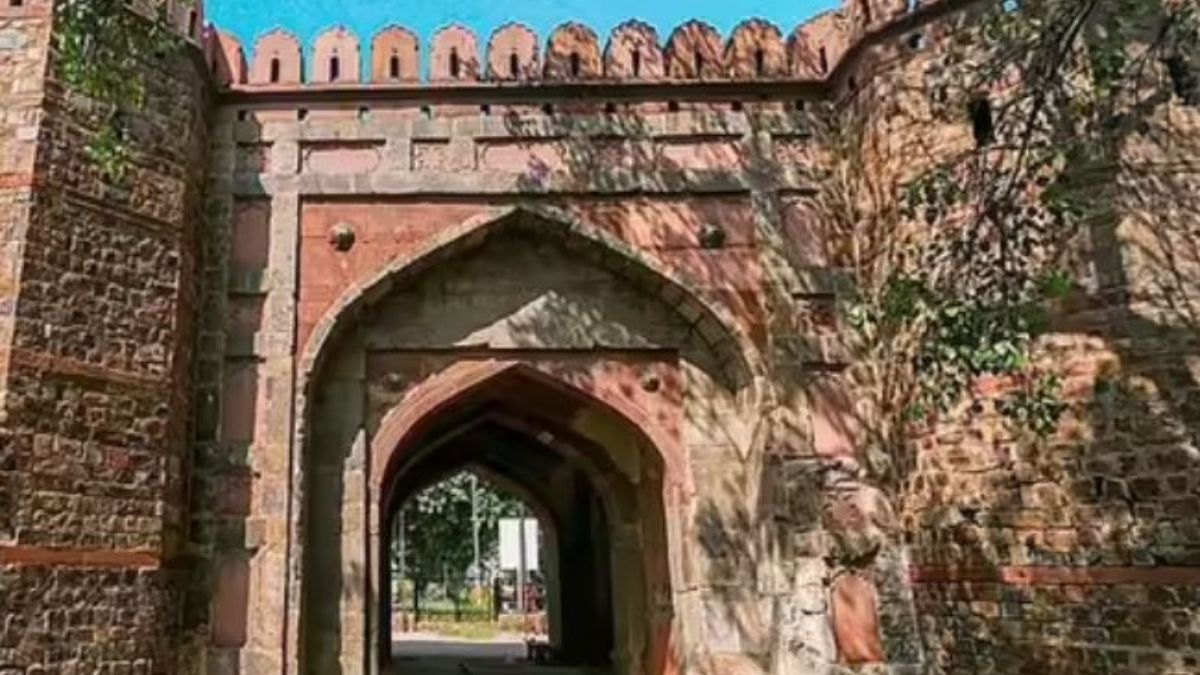 (Delhi Gate)
Lahori, Ajmeri And Delhi Gate
Lahori Gate: The main entrance of the Red Fort; it was named so because it faces the direction of Lahore.
Ajmeri Gate: Built in 1644, it was situated on the route to Ajmer and was a witness to the Revolution of 1857.
Delhi Gate: After defeating the Marathas in 1803, the British officer Lord Lake entered the city through this very gate.
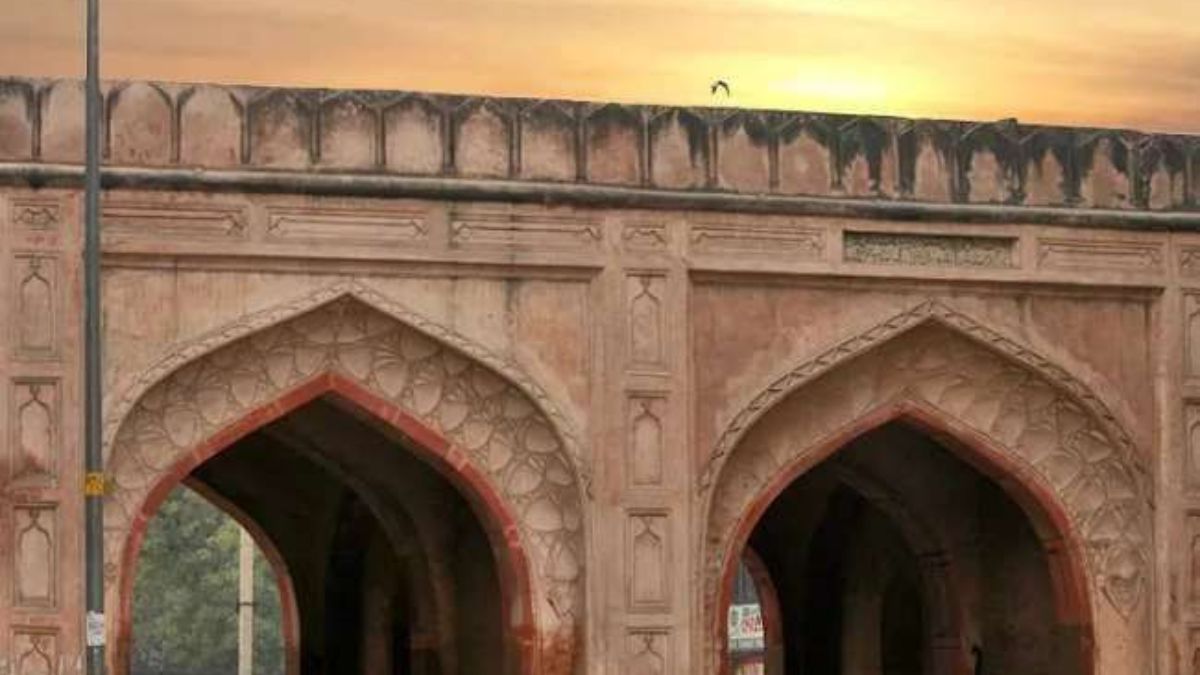 (Kashmiri Gate)
Gates Closed At Sunset
According to historian Sohail Hashmi, Delhi used to be surrounded by a moat on all sides, and all gates were closed as soon as the sun set. Water from the Yamuna would enter from the Mori Gate side, circle the city, and flow back into the river at Rajghat Gate.
The City Of 52 Gates Is Now History
There was a time when Shahjahanabad and its surroundings boasted 52 gates. Names like Turkman, Ajmeri, Lahori, Kashmiri, Kabuli, Badrau (Mori), Nigambodh, Rajghat, and Pani Darwaza remain only in history books today. The British demolished most of the gates after 1803 for security reasons.
Today, the Archaeological Department is striving to conserve only Delhi Gate, Ajmeri Gate, Turkman Gate, Lahori Gate, Tripolia Gate and Sher Shah Gate.