
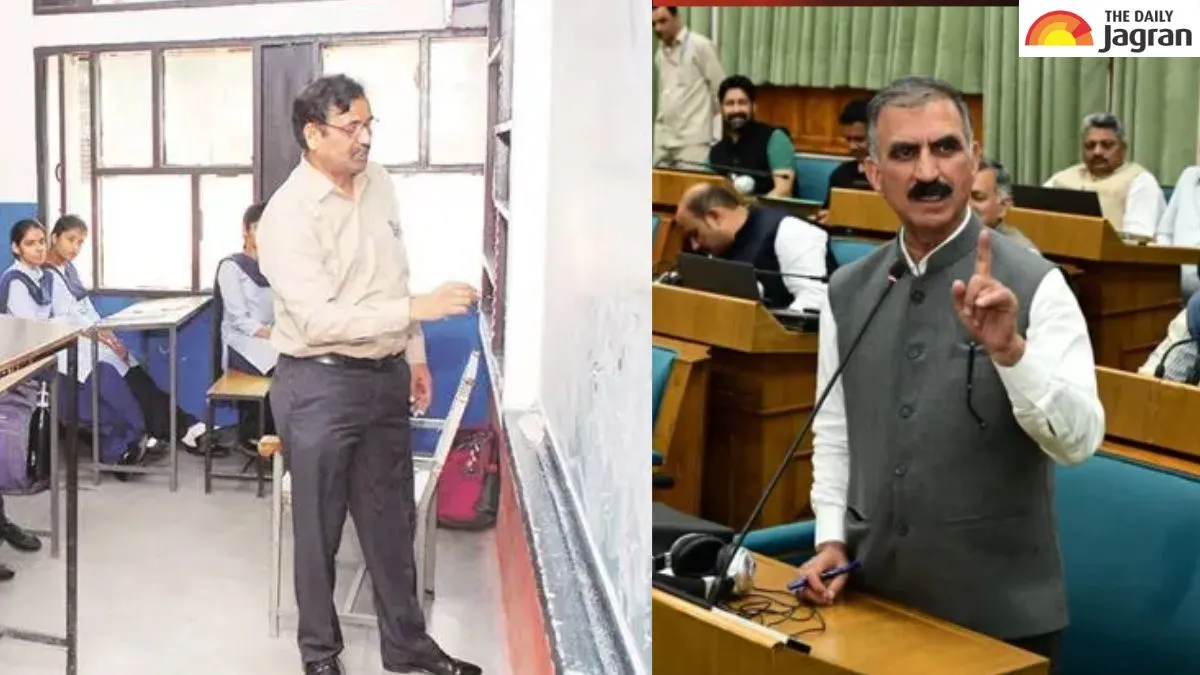
- Himachal Pradesh Teachers must mark attendance three times daily.
- Compulsory dress code for teachers by October 2026.
- Online attendance is linked directly to teacher salaries.
Teacher Attendance Rules: The Himachal Pradesh government has introduced strict new discipline rules for teachers working in 150 state-run CBSE-affiliated schools. Chief Minister Sukhvinder Singh Sukhu directed the education department to enforce daily attendance marking three times a day: upon arrival, during lunch break, and before departure.
Additionally, a compulsory dress code for teachers will take effect on October 1, 2026, supported by a one-time allowance of Rs 5,000 per teacher. The state has already appointed 1,200 teachers and allocated an additional Rs 80 crore to upgrade school infrastructure and facilities across the region.
Online Attendance Linked Directly To Salary:
To ensure compliance, the education department has linked teacher attendance on the VSK (Vidya Samiksha Kendra) Swift Chat portal directly with the state’s electronic salary system. Under the new guidelines issued to deputy directors, monthly salary bills will only be processed after verifying attendance data on the portal. Any failure to mark attendance as prescribed will lead to an automatic deduction from the following month's salary.
Recommended For You
Financial Grant and Infrastructure Boost
To assist teachers in complying with the upcoming uniform policy, the state government will provide a single financial grant of Rs 5,000 to each teacher for purchasing the designated dress code. A decision regarding student uniforms will be announced within the week.
Furthermore, the administration has set aside an extra budget of Rs 80 crore to enhance academic tools and general school infrastructure.
Formal Dress Standards across State Departments
The state government previously implemented strict formal dress guidelines across general administrative offices to maintain professional decorum.
Male staff members must wear collared shirts with formal pants or trousers, while female employees must wear sarees, salwar-kameez suits, or formal trousers with shirts. Casual apparel such as jeans, T-shirts, and party wear remains prohibited in official workspaces.