
The integration of Artificial Intelligence (AI) and Machine Learning (ML) technologies has ushered in a transformative era for the traditional education system. These advancements have revolutionised how students learn and how educators teach, offering personalised learning experiences tailored to individual needs and preferences. This article delves into the key aspects of learning that AI and ML enhance, such as personalisation, efficient assessment methods, and continuous skill development. It also explores the role of AI-powered chatbots and virtual assistants in student support services, all while anticipating future innovations in ed-tech that promise to make education more equitable, accessible, and adaptable on a global scale.
Karan Mehta, Co-founder, Chief Product and Growth Officer at Toprankers, shares insights into the rise of Artificial Intelligence (AI) and Machine Learning (ML) in education technology. He discusses how these technological advancements are positively impacting the educational landscape, shaping the future for students, and shedding light on the growing interest of venture capitalists (VCs) in investing within this thriving sector.
Q.) How have AI and ML technologies revolutionised the traditional education system, and what key aspects of learning do they enhance?
Ans) AI and ML technologies have sparked a transformation in the traditional education system. These technologies introduce personalised learning experiences that cater to individual student needs, learning paces, and learning styles. Through data analysis, AI and ML can identify each student's strengths and weaknesses, allowing educators to tailor curriculum materials and teaching methods accordingly. This personalisation helps improve engagement and motivation while maximising knowledge retention and learning outcomes.
Recommended For You
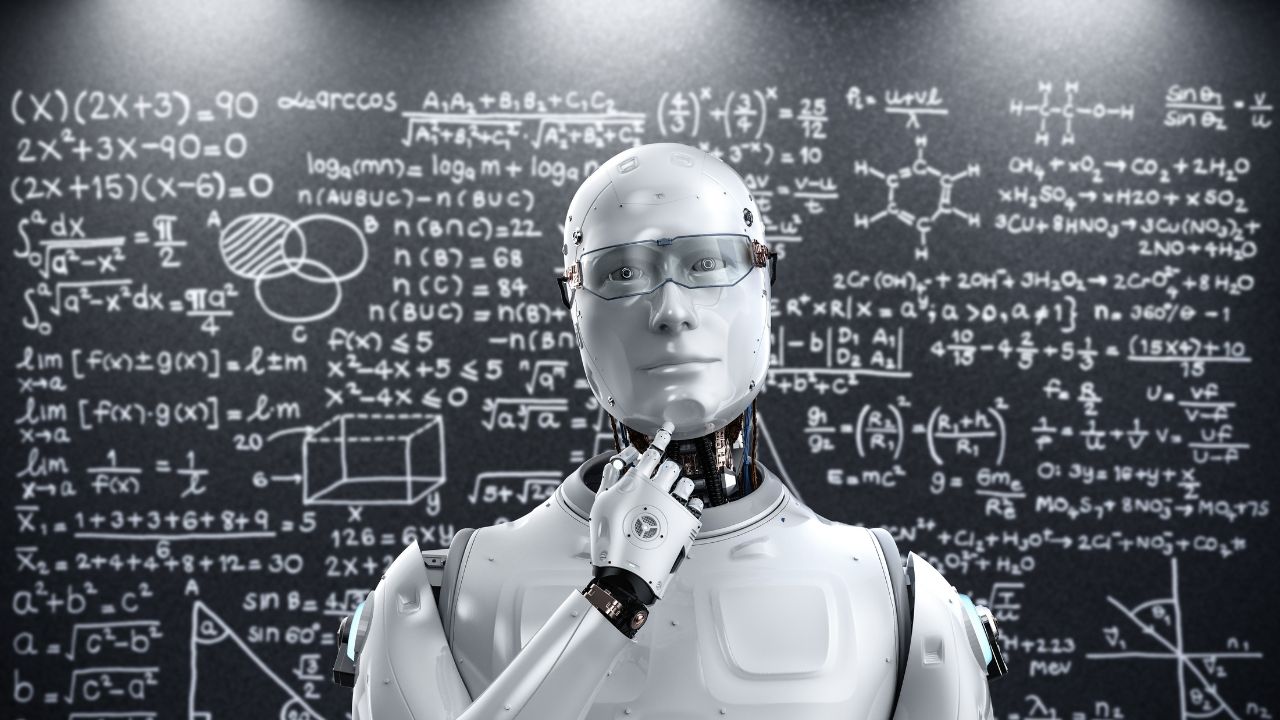 Machine learning is a subset of artificial intelligence where systems have the ability to enhance their performance and capabilities through learning from experience, all without requiring explicit programming instructions. (Image: Canva)
Q.) What role do personalised learning algorithms play in adapting educational content to individual student needs, and how does this improve the learning experience?
Ans) Personalised learning algorithms are instrumental in adapting educational content to cater to individual student requirements. These algorithms utilise student data to determine the most suitable learning materials, challenges, and pacing for each individual. This customisation of content ensures that students receive education that aligns with their unique preferences and learning styles, thereby improving the overall learning experience. As a result, students are more likely to remain engaged, motivated, and successful in their educational journey.
Q.) How are AI-powered chatbots and virtual assistants transforming student support services, such as answering queries, providing tutoring, and offering career guidance?
Ans) AI-powered chatbots and virtual assistants have revolutionised student support services. They are available around the clock to address queries, provide on-demand tutoring, and offer guidance and problem-solving support. This accessibility enhances the overall student experience by providing immediate assistance, reducing response times, and ensuring students receive timely support.
Q.) In what ways do AI and ML contribute to more efficient and data-driven assessment methods, allowing educators to gauge student progress and tailor their teaching strategies accordingly?
Ans) AI and ML contribute to efficient and data-driven assessment methods by automating grading, data analysis, and predictive analytics. Educators and students alike can track student progress in real-time, identifying areas where students excel and where they may need additional support. This data-driven approach allows for more informed decision-making and personalised instruction. Students benefit as well, by gaining a clearer idea of which learning strategies, study plans and time management tools work and which do not offer significant benefits.
Also Read: How To Start JEE Preparation; Here's 5 Strategies To Crack JEE Exam
Q.) How is AI contributing to the development of lifelong learning platforms, and what potential benefits does this hold for students in an ever-evolving job market?
Ans) AI's impact on lifelong learning platforms is significant, in terms of both quality and ease of learning. These technologies facilitate continuous education across various domains, offering flexible and personalised learning experiences that align with the ever-evolving job market. Students can acquire new skills and adapt to changing career demands throughout their lives, making education a lifelong journey.
Q.) What are the anticipated advancements in AI and ML within ed-tech, and how might these innovations continue to benefit the education and skill development of students globally?
Ans) The anticipated advancements in AI and ML within ed-tech hold the potential to further revolutionise education and skill development in India and across the world. Enhanced personalisation will provide tailored learning experiences for students, while expanded access to quality education will bridge educational disparities in harder to reach remote areas. Additionally, improved teacher support tools will aid educators in delivering effective instruction. This support is essential in a country like India, where regional differences in language will no longer be barriers in quality education. These innovations will collectively contribute to a more equitable, accessible, and adaptable education system, benefiting all students everywhere.