
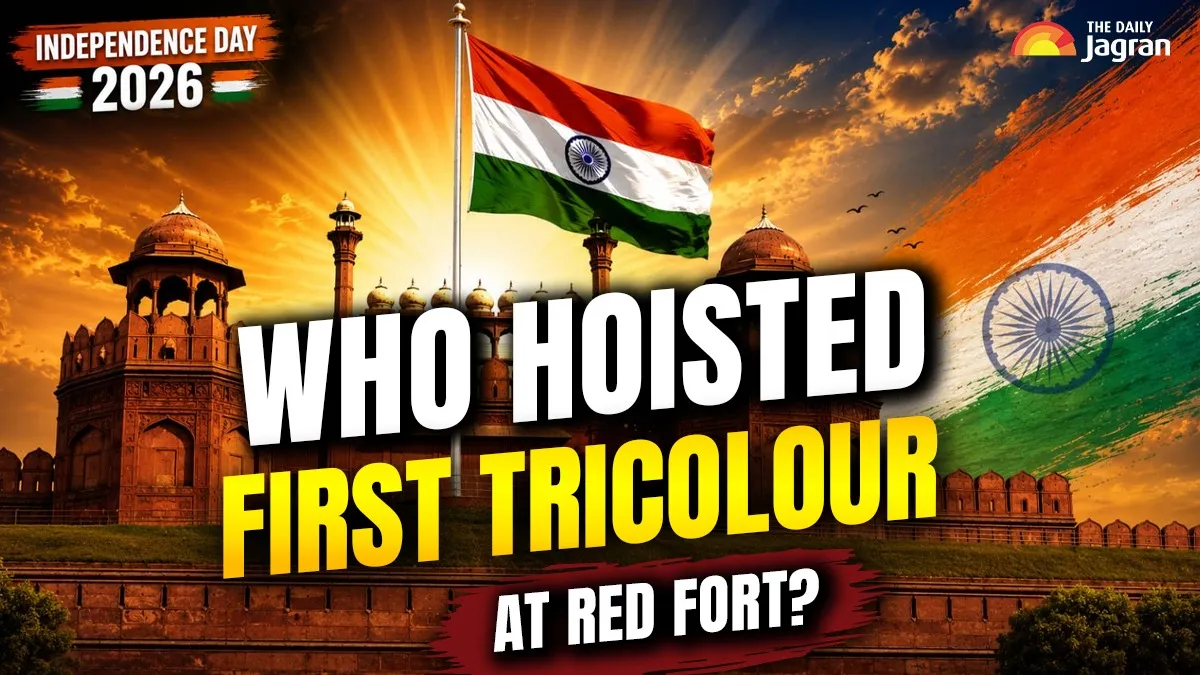
- Red Fort remains central to India's Independence Day celebrations.
- Pt. Jawaharlal Nehru first hoisted the Tricolour there in 1947.
- The ceremony symbolises India's democratic journey and sovereign authority.
Independence Day 2026: As India celebrates its 80th Independence Day on August 15, 2026, New Delhi's historic Red Fort once again stands at the heart of the national festivities. Every year, the Prime Minister hoists the Tricolour at the Lahori Gate before addressing the nation. This solemn tradition reflects the patriotic spirit and democratic journey of independent India.
The tradition began in 1947 during the historic transfer of power, when India's first Prime Minister, Jawaharlal Nehru, hoisted the national flag at this monument. Although public ceremonies were initially held at various significant locations across Delhi, Nehru's association with the Red Fort established this magnificent edifice as the permanent and iconic venue for Independence Day celebrations.
Who Hoisted the First Tricolour at the Red Fort?
Jawaharlal Nehru was the first prime minister to hoist the Indian national flag at the Red Fort on Independence Day. Following the end of British colonial rule in 1947, his leadership became deeply intertwined with early nation-building efforts, establishing the Red Fort ceremony as a lasting national milestone.
Recommended For You
Why is the Red Fort Important on Independence Day?
Originally constructed by Mughal Emperor Shah Jahan, the Red Fort evolved into a political power center before becoming closely associated with the freedom struggle, particularly the revolt of 1857. Hoisting the national flag atop this historic venue symbolically marked the end of British imperialism and the ultimate return of sovereign authority to the people of India.
How Did the Independence Day Tradition Begin?
On August 15, 1947, major public events and flag-hoisting ceremonies were held across various Delhi landmarks, including India Gate and Princess Park. However, Nehru’s decision to hold the primary Prime Ministerial ceremony at the Red Fort institutionalized the location, creating an annual ritual that successive prime ministers have maintained ever since.
How Has the Annual Ceremony Evolved?
Over the decades, the flag-hoisting ceremony at the Red Fort has transformed into a globally recognized symbol of Indian democracy. Beyond the unfurling of the national flag, the annual address by the prime minister serves as an opportunity to reflect on historical achievements, outline key policy priorities, and set the country's future direction.
What Does the Tradition Represent in 2026?
As the nation marks Independence Day in 2026, the sight of the Tricolour flying above the Red Fort continues to bridge India's freedom struggle with its contemporary aspirations. The annual event reminds citizens of the historic transition of 1947 while celebrating the enduring strength and unity of the modern republic.