
- By Sahelee Rakshit
- Tue, 26 Nov 2024 07:14 PM (IST)
- Source:JND
Delhi Air Pollution: Much of Delhi and the National Capital Region (NCR) were covered in a thick layer of haze this morning, indicating that the pollution problem is not getting any better. Anand Vihar's Air Quality Index (AQI) skyrocketed to 333 as of Tuesday at 7 am, putting the neighbourhood in the "very poor" category. Due to dangerous air conditions, schools were closed in Delhi, Gurugram, Noida, and Faridabad. Delhi's AQI has continuously stayed dangerously high for almost a month, frequently rising beyond 500.
The eyes are especially vulnerable in these situations because they cannot be covered with fabric or kept closed permanently, and going outside is still necessary for daily tasks. With a 20 to 30 percent surge in patients seeking treatment for eye disorders at Delhi's hospitals over the past two weeks, this has resulted in a worrying spike in eye-related health issues.
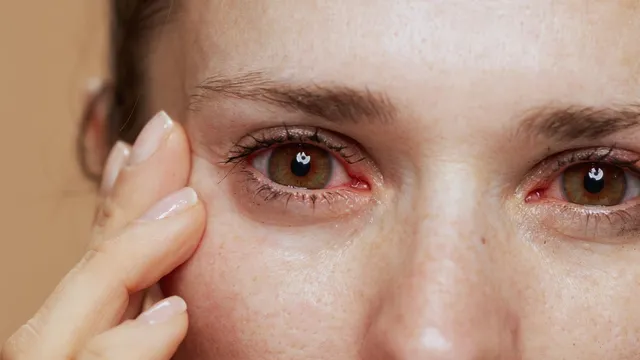
The eyes are the most delicate organ in the body, and the pollution in the city is severely harming them, according to Dr. Nidhi Sharma, a prominent eye expert in Delhi, reported News18. She has noticed an increase in patients reporting of eye discomfort during the past two weeks, including burning, watering, itching, and redness.
The significant harm that air pollution is causing to eye health was brought to light by the increase in instances in hospital OPDs (outpatient departments). In order to preserve your eyes at this time, Dr Sharma emphasised the significance of awareness and appropriate care.
How Lenses Can Affect Eyes During Pollution
Dr Sharma states that pollution exacerbates pre-existing dry eyes by drying them out. This dryness may get worse if you wear contact lenses, which could result in eye ulcers and other dangerous problems that could permanently impair your eyesight.
It is best to avoid wearing contact lenses as long as the pollution levels are high. Women should also refrain from using eye makeup because it can irritate their eyes, especially kajal. If cosmetics are required, choose reliable brands that don't contain any chemicals.
ALSO READ: Delhi-NCR Weather: Severe Fog Expected On November 28-29, 'Yellow Alert' Issued
11 Essential Tips
- Maintain Hydration: To keep your eyes hydrated, drink a lot of water.
- Consume Nutrient-Rich Foods: Increase your intake of fruits, salads, and green vegetables.
- Cleanse Your Eyes: Frequently wash your eyes with fresh, clean water.
- Apply an Eye Mask: To offer alleviation, think about applying an eye mask devoid of chemicals.
- Avoid Ghee and Rose Water: Because they can irritate your eyes, avoid putting ghee or rose water in them.
- Avoid Rubbing Your Itchy Eyes: Avoid rubbing your itchy eyes. To ease discomfort, gently push around the eyes if needed.
- Wash Hands Regularly: Washing your hands before touching them will help keep dirt out of your eyes.
- Wear a Helmet When Riding: Make sure your helmet includes a visor to protect your eyes if you're riding a two-wheeler.
- Wear Sunglasses: To protect your eyes from UV radiation and pollution, always wear protective eyewear, such as sunglasses, when you go outside.
- Clean Your Eyes Carefully: Avoid vigorous washing if your eyes are watering or itching. Instead, use a clean handkerchief to gently wipe them.
Restrict Your Outdoor Mobile Use: Cut back on using your phone outside since the screen might exacerbate eye strain in already difficult situations.