
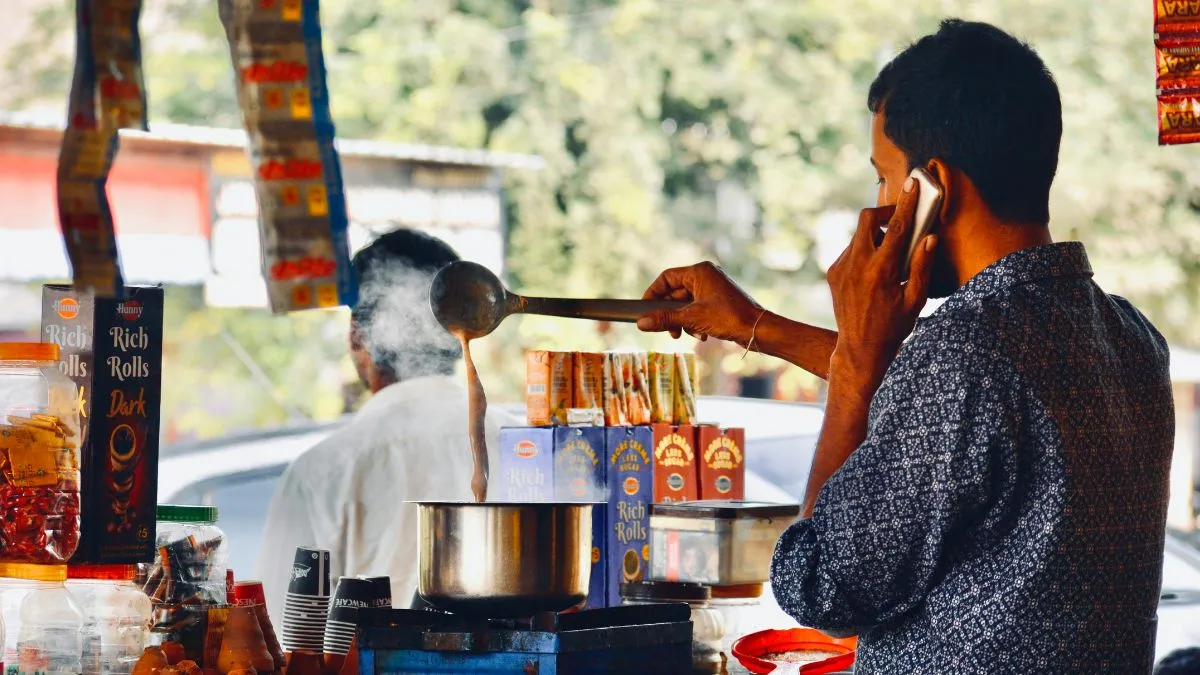
Indian restaurants are facing a difficult time as the LPG crisis worsens in the country. The owners are left with no other option but to chop off items from the menu, limit openings, and restrict timings. Street vendors are no longer seen in the lanes; the principal thing generating income has vanished in the blink of an eye.
A major part of India's restaurant kitchens and street vendors are dependent on the commercial LPG cylinders for their day-to-day activities. The sudden drop in the supply of LPG cylinders has made the common eateries and food joints helpless. India's commercial LPG supply depends on the natural gas from shipments through the narrow Strait of Hormuz in West Asia, which has been closed since the United States and Israel launched military strikes on Iran on February 28. The war on Iran has disrupted the supply of oil as well.
Delhi's Kashmir Chur Chur Naan has issued a warning that they might close. A caterer in Delhi who wished to remain anonymous expressed concern about gas cylinders being stockpiled and sold on the illicit market. "Many people have started hoarding because they are unsure of how long this war will last, which has made the situation worse," he stated.
Recommended For You
VIDEO | Chennai: "Sudden cooking gas cylinder unavailability has forced us to stop many food items and adjust hotel timings," says Ananda hotel supervisor Narayanan.
— Press Trust of India (@PTI_News) March 10, 2026
(Full video available on PTI Videos - https://t.co/n147TvrpG7) pic.twitter.com/iYSXsfNAIp
Pawan Tamang's Royal Momos food booth in Ranchi has reduced its wide selection to just three items: momos, chowmein, and chilled chicken. Tamang, whose booth requires two to three gas cylinders per week—he purchases 19-kg commercial cylinders that cost Rs 2,000 each—said, "Customers are upset about the limited menu, but we are trying to use cooking gas efficiently," Scroll.in reported.
However, the hardest hit are roadside food vendors and dhabas. Tiffin services and small-scale restaurants frequently provide low-cost cuisine for impoverished migrant workers. Livelihoods of most small vendors depend on LPG for cooking; even the smallest disruption in the supply can affect their business. Unlike restaurants, these eateries operate with limited LPG stock and rely on frequent refills. The crisis had taken a toll on them. Additionally, these vendors do not have an income to purchase any other appliances without planning.
A street vendor from Delhi's Shahdara, who wished to remain anonymous, said that after running out of LPG stock, he had to close his modest business for a few days. "Our entire business depends on the kitchen functioning every single day, and we run a small restaurant with limited staff," he stated.
How Is The Iran War Connected To The Crisis?
As the US-Israeli strikes on Iran disrupt energy shipments through the Strait of Hormuz, supplies of liquefied petroleum gas (LPG) are tightening across India, forcing restaurants to cut menus, shorten hours, and, in some cases, shut down altogether.
A large amount of India's cooking gas is imported from West Asia, and supply channels have been impacted by the continuing Israel-Iran conflict. Oil marketing companies have also informed commercial and industrial customers that supplies are constrained for the time being.
The Indian government has used the Essential Commodities Act to give domestic families more priority over commercial use. As a result, eateries and enterprises are suffering to provide for the customers.